
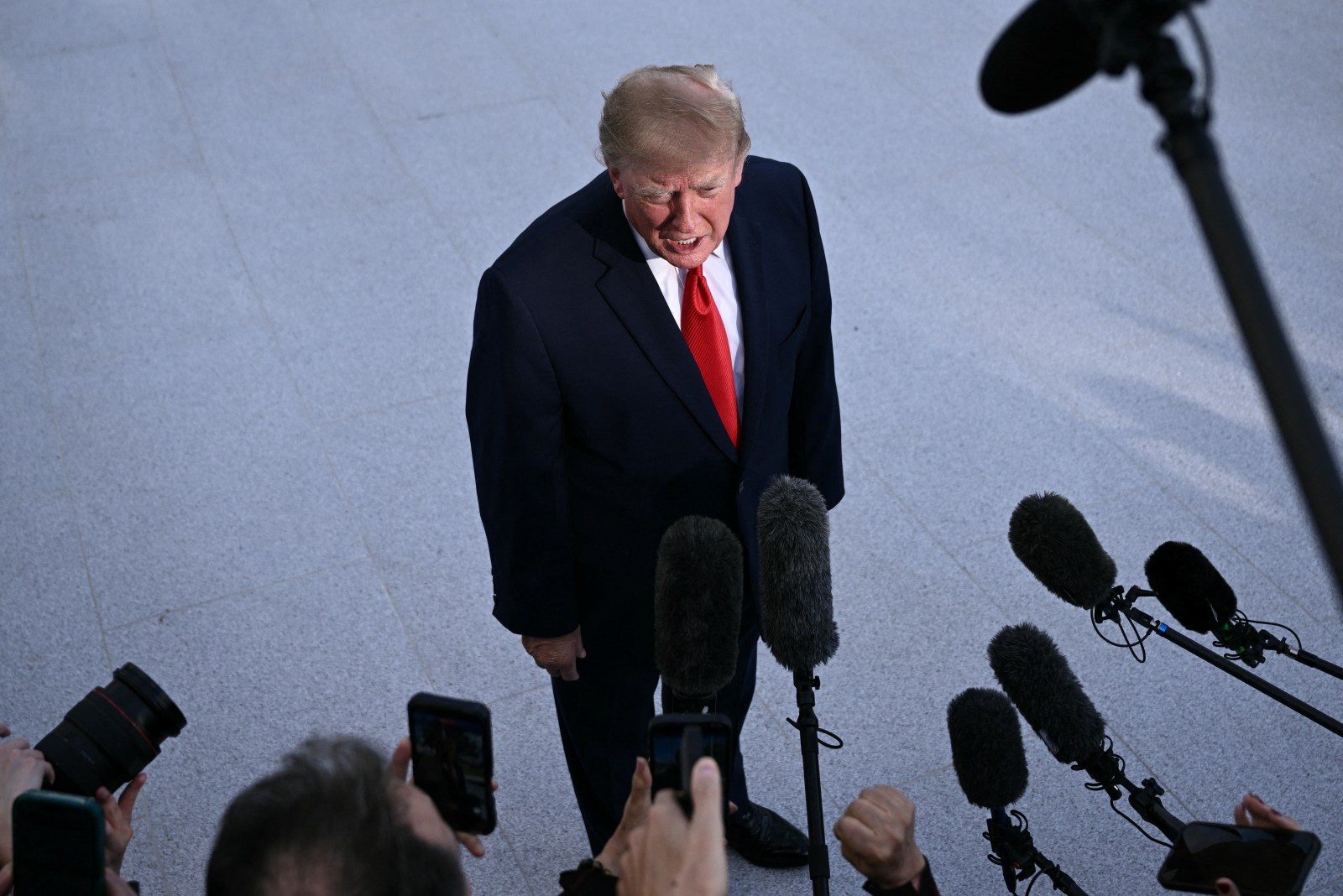
The White House released six videos showcasing President Donald Trump within 24 hours. This action occurred as a court order blocked the administration from using taxpayer money for similar TV ads. These ads, which have drawn criticism, are seen as supporting Trump ahead of the midterm elections.
A temporary restraining order from the U.S. District Court for the Southern District of New York stopped federal funding for these ads for 14 days. Despite the order, reports indicate the ads aired several times. Both the Democratic National Committee (DNC) and Common Cause have grievances regarding these supposedly partisan ads.
New Videos and Content
The recent videos on the White House’s YouTube channel didn’t disclose production or funding details. One featured a speech by Theodore Roosevelt, highlighting attributes of taking risks and facing criticism, with Trump shown at various public appearances. This video ended with Trump signing an executive order in the Oval Office.
“It is not the critic who counts; not the man who points out how the strong man stumbles, or where the doer of deeds could have done them better. The credit belongs to the man who is actually in the arena, whose face is marred by dust and sweat and blood…”
Additional videos addressed differing accusations against the administration. One included Trump’s rhetoric against corruption, while another criticized Democrats for voting against a campaign promise of no tax on tips. These videos included prominent Democratic politicians like Senators Elizabeth Warren and Chuck Schumer.
Content and Purpose
Opposition to these videos grew as they aired on mainstream television funded by taxpayer dollars. Critics, including members of both political parties, argued the ads were unlawfully partisan. Despite Trump’s initial promise to use super PAC funding, the administration revealed taxpayers would not be reimbursed for prior spending.
Abigail Bellows from Common Cause condemned the shift of promotional efforts from TV to YouTube, asserting the government shouldn’t spend public funds on partisan content. Two lawsuits followed from organizations like the DNC, accusing the administration of using government money to gain an electoral advantage.
One legal action demanded the removal of such spending and aimed to stop the Trump administration from misusing allocated funds to create politically charged ads. Common Cause praised the court’s quick reaction to halt the use of taxpayer funds for these ads.
According to the U.S. Attorney for the Southern District of New York, Jamie M. McDonald, the restraining order was communicated late to the ad vendor, who then complied with the court’s decision. Several networks reported continuing to air ads even after the order was issued.
This article involved contributions from Newsweek’s AI tool, Martyn, with editorial oversight by Samantha Beech and Gray R. Thomas.