
REDMOND, WA — A wave of emotion swept through Tumwater High student Frances Staudt as Washington state’s Initiative 638 gained a significant lead in election returns. The initiative mandates K-12 athletes compete according to their biological sex.
Speaking at a watch party organized by Let’s Go Washington, Staudt shared her relief and joy with attendees. “We did it!” she exclaimed, expressing pride after facing harassment for declining to play against a transgender basketball player.
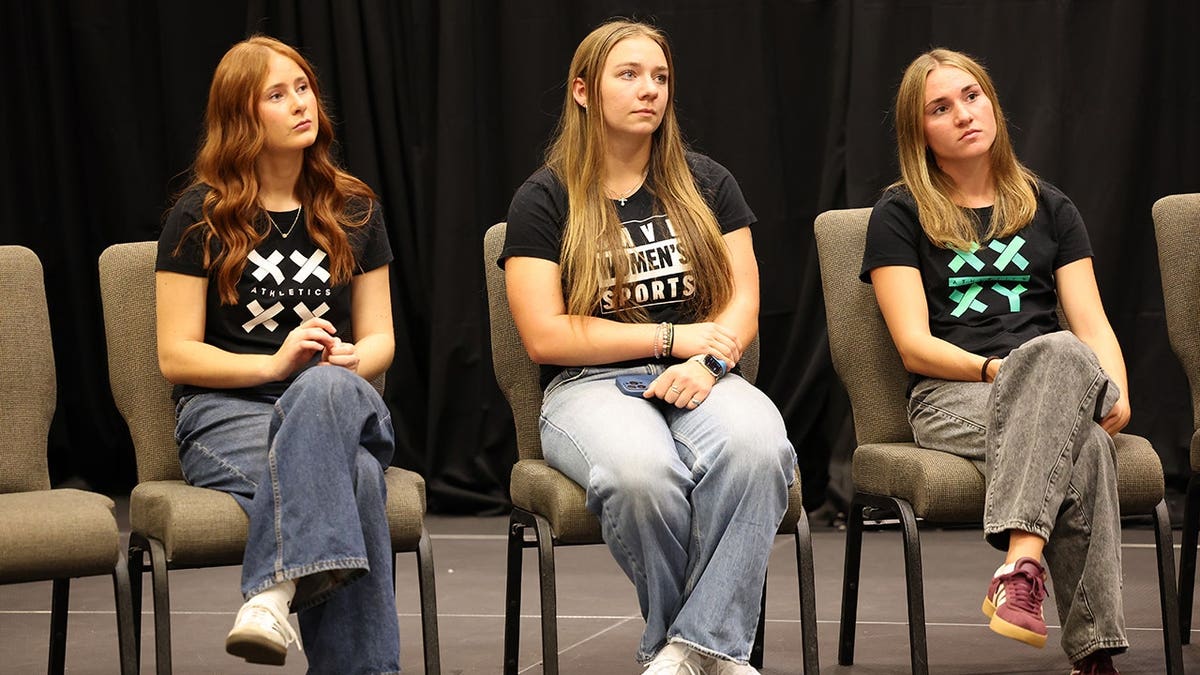
Women athletes including Frances Staudt, Bailey Andersen, and Sadie Sullivan shared experiences of competing against biological males and shared locker rooms at the Fairness in Girls’ Sports rally in Vancouver, Washington.
As voting results rolled in, Initiative 638 held a 13.6% lead, with prediction market Kalshi providing a 91% chance of passing.
If approved, it will be Washington’s first voter-passed law separating boys’ and girls’ K-12 sports and the first such law in a blue state. Twenty-seven other states, won by Donald Trump in 2024, enforce similar separations legislatively. Supporters are hopeful that Washington’s initiative will inspire similar legal changes nationwide.
Brian Heywood, founder of Let’s Go Washington, celebrated the initiative’s potential impact within 30 days of approval. “This isn’t a partisan issue; it’s about parenting and fairness in girls’ sports,” he emphasized.
The campaign brought attention to a controversy at Camas High School where a transgender runner switched from boys’ to girls’ team, potentially affecting female athletes’ advancement in competitions. A protest by female teammates at a meet highlighted the issue further.
Amy Sousa, a women’s sports advocate, documented the protest and celebrated the possibility of securing protection for Title IX.
Meanwhile, in Colorado, Proposition 134 aims to establish sex-based eligibility in K-12 and college athletics. At press time, it led by 4.4%, with votes still being counted.
Jennifer Sey, head of the Proposition 134 campaign, hopes the voters will prioritize “protecting girls’ sports” despite the uncertain outcome.
Arizona and Nebraska also confronted sports-related measures. Nebraska’s Initiative 442 seeks to embed existing restrictions into the constitution. Arizona’s Proposition 318 aims to extend restrictions across private schools and athletic associations, covering locker rooms and restrooms.
The burgeoning stories in Washington and Colorado signal a public shift towards addressing gender distinctions in sports. Young activists like Staudt have long pushed for these changes, and now adults seem ready to act.