
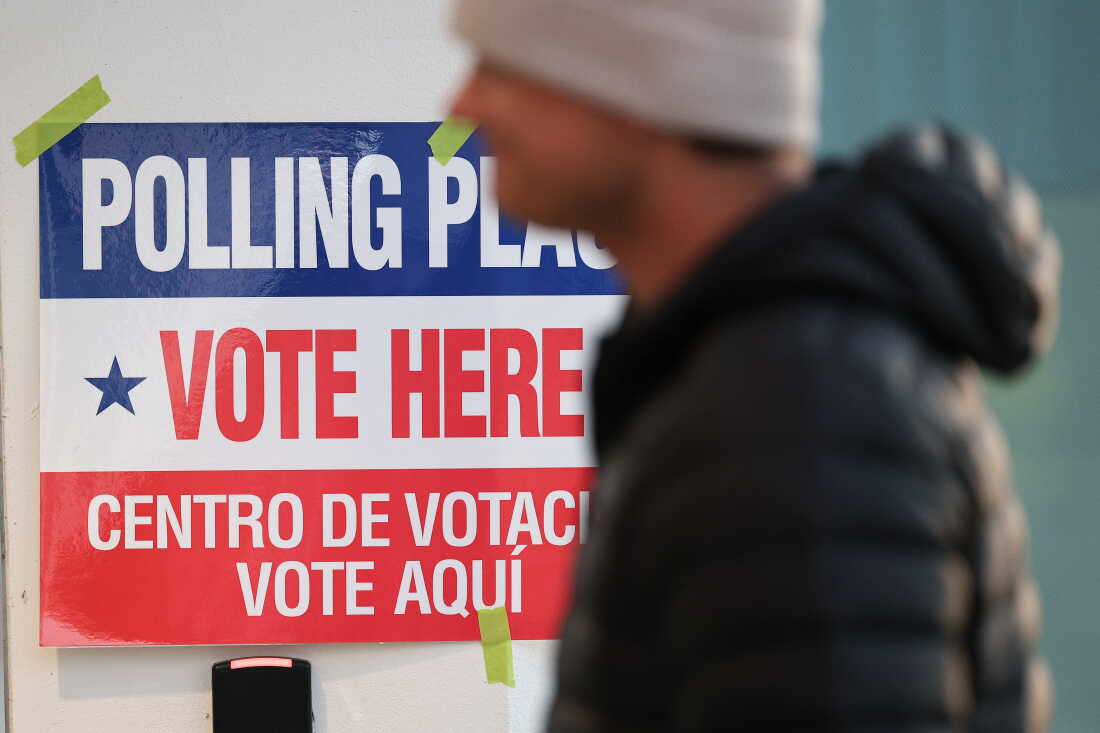
Voters are navigating a confusing landscape this election year. Despite President Trump’s executive order aimed at restricting mail voting which was stopped by the Supreme Court, the rules for mail voting remain unchanged. Yet, many voters express confusion and concern about the process, fearing potential federal interference.
Carly Koppes, a Republican voting official in Weld County, Colorado, has noted heightened voter anxiety. “I’ve run elections for 22 years,” she shared, “this is the most uncertain.” Less than half of voters think the midterms will be “free and fair,” according to a recent University of California San Diego survey, though another poll showed three-fourths trust their local election officials.
Concerns are fueled by fears of federal immigration enforcement at polling places and uncertainty about mail ballot delivery times, particularly after the Supreme Court’s action against Trump’s proposal. A poll by the Partnership for Large Election Jurisdictions found 62% of respondents worry about disputes affecting their ballot.
Stephanie Thomas, Connecticut’s Democratic Secretary of State, commented on voters’ vague fears. At a Center for Election Innovation & Research event, Thomas described how “grandmothers approach me concerned” with worries they can’t quite name.
Officials like Steve Simon, Minnesota’s Democratic Secretary of State, emphasize reassurance. “Sound the alarm when needed,” Simon advised, without being alarmist. He acknowledged fresh concerns from federal confrontations but expressed confidence in state laws and strategies to tackle potential challenges.
Midterm turnout traditionally lags behind presidential cycles, leading some to question if the current climate might exacerbate this gap. However, Lauren Prather, a political science professor at UC San Diego, stated there is limited evidence linking election trust and voter turnout. Recent high-turnout elections suggest voters remain engaged despite doubts.
Brendan Nyhan from Dartmouth College posits increased turnout might result from current unease, as communities rally against perceived threats to voting rights. Yet, Nyhan underscores the danger in fostering distrust, cautioning against undermining democratic legitimacy.