
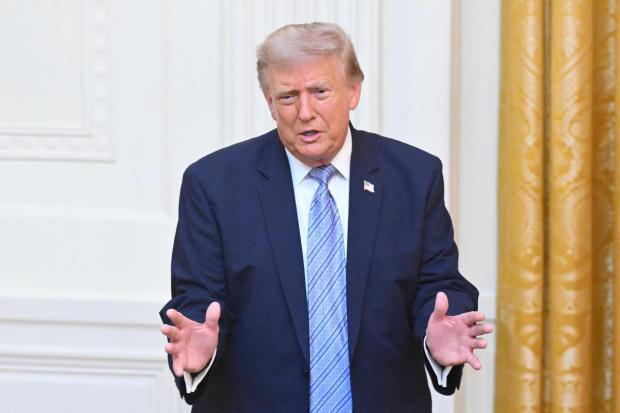
In a speech delivered to the nation on Thursday evening, President Donald Trump emphasized the importance of secure elections in America, asserting the use of federal power to prevent them from being compromised. Despite his claims, one of the significant safeguards in U.S. elections is their decentralized nature. The country conducts elections across more than 10,000 jurisdictions, each governed by distinct regulations set by state and occasionally local authorities. This complex structure not only adds intricacy to the nation’s elections but also serves as a critical defense against widespread fraud. When misconduct does occur, it is rare, and existing security protocols often succeed in uncovering it.
America’s decentralized electoral framework dates back to the founding of the nation. The Founding Fathers entrusted election authority to the states, rather than the federal government. Although Congress has the power to regulate elections, exemplified by the Voting Rights Act, the Constitution states that the states have principal control over election timings, locations, and methods. Unlike many other countries, the U.S. lacks a national election body responsible for presidential elections. The day-to-day election management falls to local officials, typically clerks or election supervisors, supported by their staff and volunteers.
While inconsistencies in election laws may lead to confusion, election security experts view this decentralized design as a strength. To accomplish a presidential election theft—as Trump falsely claimed in 2020—would require numerous election workers in competitive counties willing to endure legal consequences, along with the cooperation of officials from both parties, all maintaining silence. This scenario is highly improbable.
Moreover, there are standardized practices and security measures nationwide ensuring that only eligible voters cast a vote and that each vote is counted once. Although voter fraud can occur, safeguards are in place to detect it. Stories of individuals casting multiple votes, voting in the names of deceased relatives, or stealing ballots are encountered, but they are often identified and prosecuted.
Actions such as voting more than once, tampering with ballots, falsifying residence information to vote in another district, or casting another person’s ballot are prosecutable offenses with severe penalties. Non-U.S. citizens violating election laws risk deportation. For those still intent on cheating, U.S. election systems incorporate multiple layers of protection and transparency to impede such efforts.
For in-person voting, most states require or request voter identification at the polls. Others use alternative verification methods, such as stating a name and address, signing a poll book, or completing an affidavit. For absentee voting, states mandate a voter’s signature, with many implementing additional security measures like bipartisan teams comparing signatures, notarization requirements, or witness signatures. These checks aim to alert election workers to potential fraud.
An Associated Press review revealed that voter fraud was too insignificant to alter the 2020 election outcome.
Trump has maintained claims that he won the 2020 election, which he lost to former President Joe Biden. In 2021, an Associated Press investigation examined potential voter fraud cases in the six contested battleground states. It discovered fewer than 475 cases, a number insufficient to sway the election results. Trump’s allegations of widespread voter fraud have been consistently debunked by judges, state election officials, and an arm of Homeland Security. In 2020, then-Attorney General William Barr, appointed by Trump, affirmed that no evidence of significant voter fraud had been found. He stated, “To date, we have not seen fraud on a scale that could have effected a different outcome in the election.”