
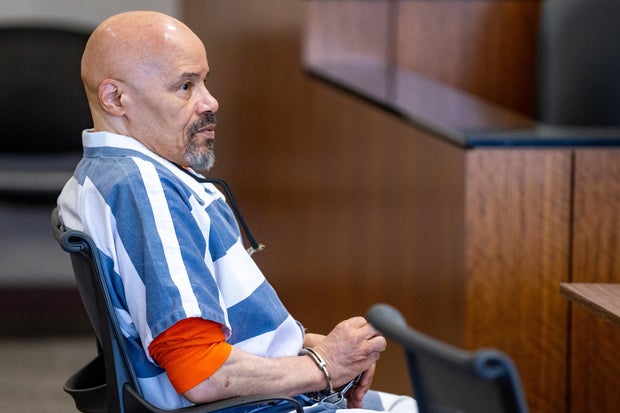
A Utah judge recently granted bail to a 71-year-old man, Douglas Stewart Carter, who spent decades on death row for the 1985 murder of Eva Olesen. Despite objections from the victim’s family, his release comes after prosecutors revealed that new DNA evidence did not match Carter.
Background of the Case
Carter was sentenced to death in 1985, following a jury’s guilty verdict for the murder of Olesen, who was related to Provo’s police chief at the time. The conviction relied heavily on a signed confession and the testimony of two witnesses who claimed Carter bragged about the crime. Both witnesses later recanted. Carter, a Black man, has maintained his innocence and insists the confession was coerced. There was no physical evidence linking him to the scene.
Recent Developments
Judge Derek Pullan highlighted that the recent DNA findings weaken the case against Carter. However, he noted that a jury could still convict him. Carter is required to wear a GPS monitor and avoid contact with the victim’s family as conditions of his release. He will reside near his son’s family and undergo therapy to address the impact of his lengthy incarceration. Defense attorney Neal Hamilton emphasized the importance of addressing Carter’s prolonged trauma.
DNA Analysis and Retrial Plans
A retrial is scheduled for 2027. However, Utah County prosecutors recently abandoned plans to seek the death penalty, following a September 22 DNA analysis that excluded Carter from the crime scene blood evidence. This evidence had been processed against FBI databases without any matches. This prompted prosecutors to reassess Carter’s bail conditions.
Historical Context
Originally from Chicago, Carter lived with his mother in Utah when the murder occurred on February 27, 1985. Suspected of robbery-related murder, he fled Utah but was arrested in Nashville, Tennessee. During interrogation, Carter confessed, claiming coercion. He was held alongside a friend, fearing repercussions for his friend’s safety.
Questions of Misconduct
Significant misconduct by police and prosecutors came to light, leading to a new trial. Witnesses later revealed they were bribed with cash and gifts to lie in court, under threats of deportation. In 2011, these admissions opened a decade of legal challenges, culminating in a DNA analysis ordered by the Utah Supreme Court.
Alternate Suspects
Carter’s defense points to possible suppression of evidence indicating other suspects, including Orla Olesen, the victim’s husband. Though considered, charges against him never materialized. Witnesses reportedly saw a White man leaving the crime scene, suggesting further investigation is warranted.
Victim’s Family Concerns
Theresa Olesen, a family member, expressed strong reservations about Carter’s release, citing the need for continued investigation. She emphasized a desire for justice for Eva Olesen, advocating for a thorough examination of all evidence.