
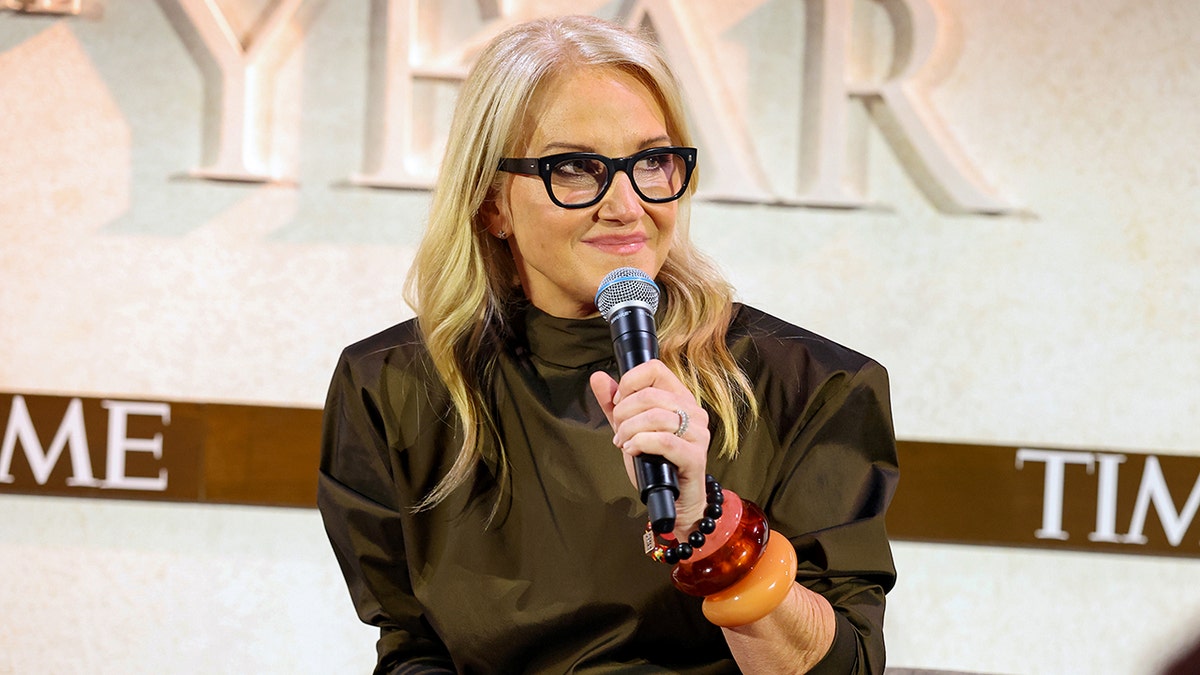
Mel Robbins, an author and podcast host, shared an insightful lesson she learned while working as a waitress. She discovered that paying attention to women at the table might lead to larger tips. Her experience started at the Red Rooster Tavern in Michigan under the guidance of a mentor-boss.
In an interview with The Wall Street Journal, Robbins explained that her mentor taught her a key aspect of waitress service. It involved recognizing who influences the final tip. Often, diners assume the person who pays, traditionally a man, decides the tip. However, Robbins learned from her mentor that women at the table often sway the decision. She recalls the advice to focus on the women, noting they often prompt their partners to ‘give a good tip’ when satisfied with service.
Robbins emphasized that understanding social dynamics at the table is crucial. She stated, “to ignore the men and to completely take fabulous care of the women.”
Mel Robbins said the secret to a good tip is the attention given to women at the table, thus understanding social dynamics plays a part in tipping.
Robert Mahon, from Mahon Hospitality Group, supports the idea. He agrees that women may influence the tip. However, Mahon cautions against neglecting any diner, labeling such selective service as ‘bad hospitality.’
Boston restaurateur Mahon emphasizes that well-rounded service remains key. Skilled servers should assess group dynamics and engage all patrons. Making everyone feel valued often results in better tips, regardless of who ultimately decides the amount.
Psychological factors can also impact the size of a tip. A study by communication researchers John S. Seiter and Harry Weger Jr. found that servers received larger tips when complimenting diners on their choices. The 2010 study involved 360 dining parties, revealing that simple interactions can influence generosity.
Lisa Burdette from the Dallas School of Etiquette also notes the potential influence women have over tipping decisions. Nonetheless, she advises that a good server must give attention to all patrons. Burdette insists that the person handling the check determines the tip without debate.