
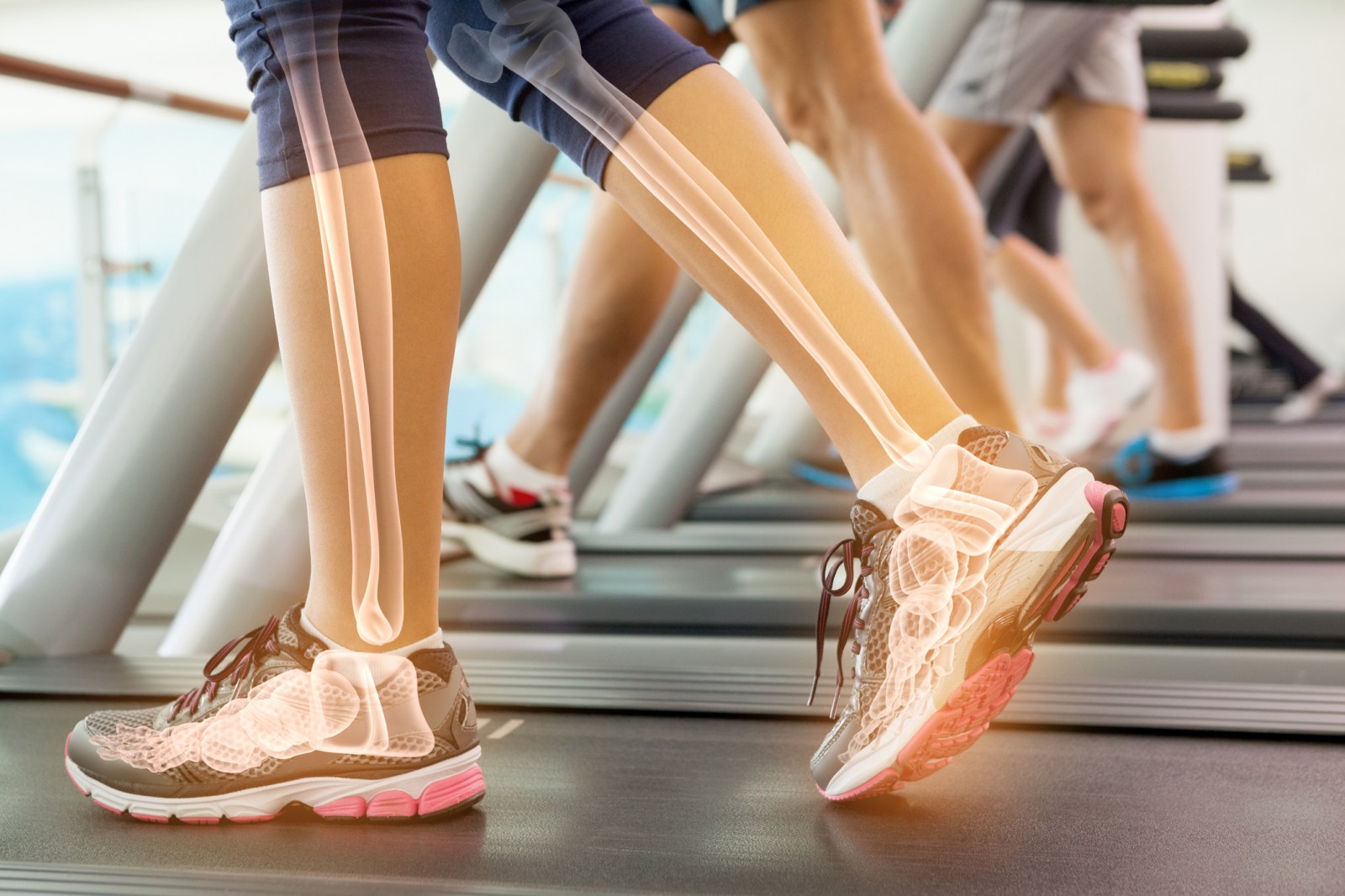
Wear and tear on bones is a natural aspect of aging. However, certain daily habits may significantly affect bone health. National health surveys and U.S. Census data indicate approximately 53.6 million Americans aged 50 and older suffer from osteoporosis or low bone mass. This article explores insights from Carla Pozner, a registered osteopath specializing in the musculoskeletal system, on common habits that might increase the risk of poor bone health.
1. Excessive Caffeine Consumption
Coffee is a common staple to energize the day, yet overconsumption might compromise bone health. A study by Flinders University in Australia observed nearly 10,000 older women over a decade. Findings indicated that tea drinkers had slightly stronger hip bones compared to those consuming more than five cups of coffee daily, which correlated with lower bone density.
Caffeine can interfere with calcium absorption and bone metabolism, according to Pozner. She advises moderation rather than quitting coffee entirely.
An evaluation of your overall lifestyle factors influencing bone health becomes essential if you habitually consume multiple coffees.
2. Prolonged Sitting
The National Center for Biotechnology Information’s 2022 study highlighted an average of 9.5 sedentary hours daily among U.S. adults. Nearly half this time involves leisure activities like watching TV or browsing the internet, emphasizing how much of daily life is inactive.
Pozner points out that a significant error is insufficient physical usage of our bodies. Bone being living tissue responds to forces applied, underscoring the importance of weight-bearing and resistance exercises.
Activities such as walking, climbing stairs, and strength training support bone health. For comprehensive skeletal support and fall risk reduction, maintaining muscle strength, mobility, and balance is crucial.
3. Sole Reliance on Calcium
Calcium plays a fundamental role in bone strength, helping prevent osteoporosis. However, Pozner notes that overemphasis on one nutrient undermines holistic bone health strategies.
Our bones require more than calcium. A balanced diet with adequate calcium, vitamin D, and protein supports bone and muscle health.
Focusing on overall health through a varied diet, regular activity, hydration, and outdoor time is essential rather than relying on a single ‘superfood.’
4. Alcohol Overconsumption
A 2022 meta-analysis from the University of Catania analyzed data from nearly 300,000 people, associating three or more alcoholic drinks per day with a higher risk of hip fractures.
Excessive alcohol disrupts normal bone remodeling, particularly affecting cells responsible for new bone formation. It also impacts calcium and vitamin D metabolism.
This disruption ultimately leads to weaker bones and a heightened risk of fractures.
5. Delayed Consideration of Bone Health
Bone health often links to older age; however, foundational care begins much earlier. The American Academy of Orthopaedic Surgeons notes that peak bone mass occurs between ages 25 and 30. Post-40, bone mass declines steadily.
Pozner empathizes that waiting till older age to concern oneself with bone health is a mistaken belief.
She urges a lifelong consideration of bone health, especially for women who may encounter accelerated bone loss during menopause.
Supporting Bone Health
Pozner emphasizes forming healthy habits early on, rather than waiting for issues. Here are her three beginner-friendly strengthening exercises:
- Chair Squats: Lower yourself toward a chair, then stand using leg and glute muscles.
- Wall Press-ups: Facing a wall, bend and straighten elbows, strengthening the upper body.
- Calf Raises: Rise onto toes, lower heels to floor for balance. Hold onto a chair if needed.
It’s important to start comfortably, focus on technique, and increase resistance gradually.
Maintaining a strong musculoskeletal system prevents future problems and ensures resilience.