
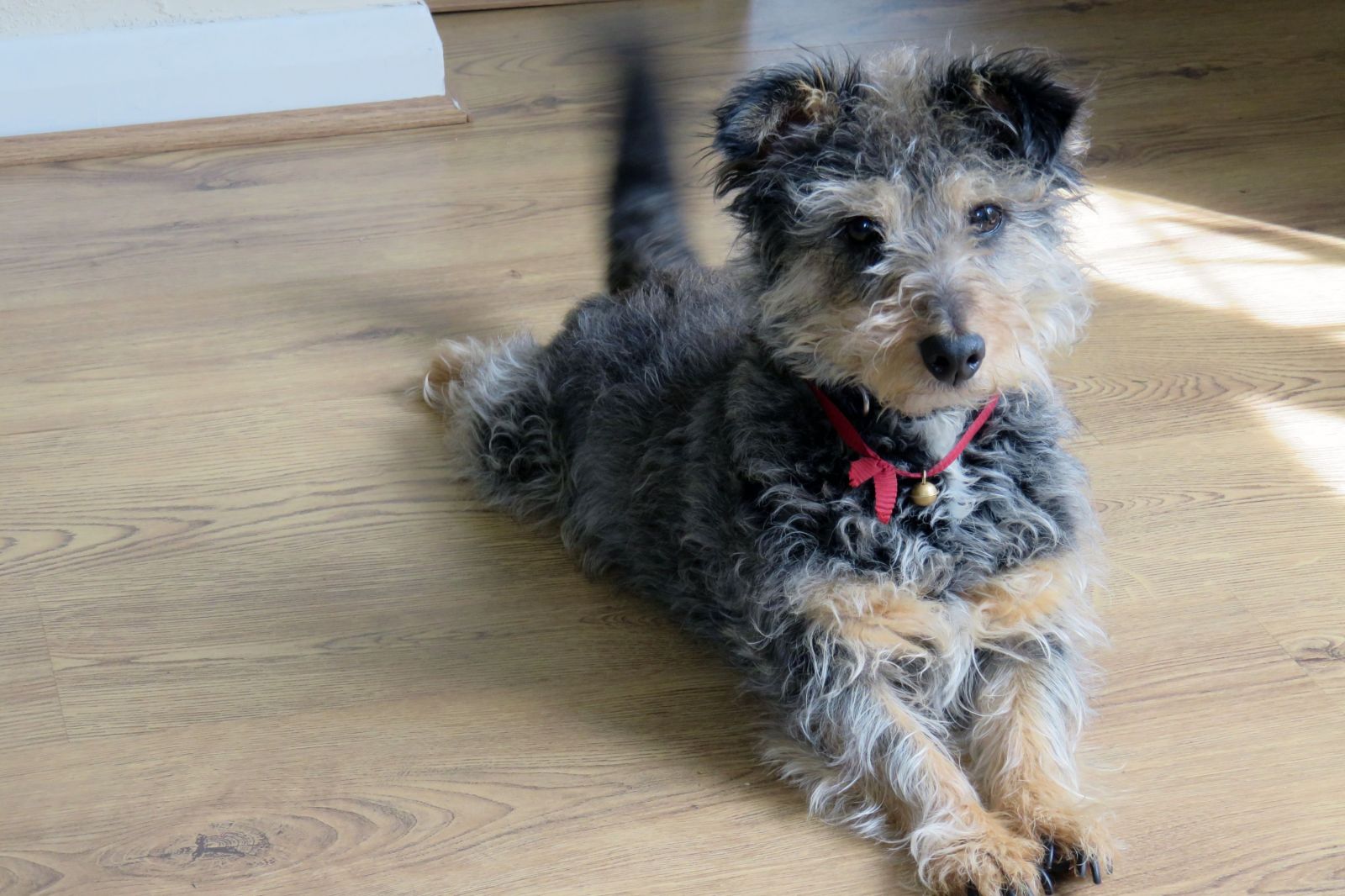
When a dog approaches, wagging its tail, it might seem like an invitation to say hello. However, before you pet the dog, take a closer look. Tail wagging can indicate happiness, but it doesn’t always mean the dog feels friendly or comfortable. In certain situations, the movement of a dog’s tail can signal fear, anxiety, or agitation, and misunderstanding these signals can lead to discomfort for both you and the dog.
“A wagging tail can mean a dog is happy, but it can also mean quite the opposite,” Mike Gould, a canine expert and co-founder of Hounds Town USA, told Newsweek.
Why Do Dogs Wag Their Tails?
Dogs communicate emotions through a combination of behaviors. It’s essential to observe their body language as a whole, including posture, ears, facial expression, and surrounding environment.
“I always tell people to ‘read your dog,'” Gould said, comparing it to looking at a close-up photograph. “You may not know what you’re seeing until you zoom out.”
While a dog may wag its tail due to happiness, tail movements can also occur if the dog is fearful, anxious, overstimulated, or defensive. Such movement might indicate the dog has been activated by its surroundings, like another animal, an unfamiliar person, or a sudden sound.
You should not automatically see a wagging tail as an invitation to approach as dogs preparing to defend themselves can still wag their tails.
What Different Tail Wags Can Mean
Tail wags can vary in appearance, and their position and movement can provide clues. A broad, loose wag generally suggests comfort and social ease, while a low or tucked tail signals fear. A high, tight, fast-moving tail might indicate excitement or agitation. A raised, stiff tail can mean that a dog is alert to something nearby.
Dogs detect nearby sounds or scents much sooner than humans, so a change in tail position can be an early sign of detection.
Look Beyond the Tail
It’s crucial to observe a dog’s entire body. Notice whether it appears loose or tense and watch for changes in the face, ears, mouth, and hackles. For instance, a relaxed dog might suddenly close its mouth if alerted by a sound or sight.
“Those physical cues help you distinguish a dog that’s comfortable and socially engaged from one whose attention or emotional state has shifted,” Gould said.
Every dog has its own baseline, and some are naturally harder to read than others. Spending time watching your own dog helps you recognize what is normal for it and identify when something has changed.
When a Wagging Tail Can Be Misleading
Tail movements can be misunderstood when greeting dogs. A person might see a wagging tail and think, “They want me to pet them,” but the dog could be uncertain about the approaching person.
Breed stereotypes can complicate these assumptions further. The same behavior might be perceived differently depending on the breed, such as a Labrador retriever or a pit bull. It’s more effective to focus on the individual dog’s signals at the moment rather than relying on breed expectations.
What Should You Do If a Dog Seems Uncomfortable?
If a dog’s tail is wagging but its body language suggests discomfort, give them space rather than assuming they want attention. Gould noted that humans are part of a dog’s environment, affecting the dog’s comfort level. Lowering your gaze and getting closer to the dog’s level can make your approach less threatening. Allowing the dog to come closer on its terms can be more reassuring.
For a fearful dog, the opposite applies. If you chase or move toward a dog trying to create distance, it may continue to move away. Soften your approach, provide space, and let the dog decide whether to come closer.
Read the Whole Dog
No single tail movement reveals precisely how a dog feels. Spending time observing your dog enhances your ability to recognize normal behaviors and notice when there’s a change.
“Dogs are always telling us something about themselves,” Gould said. “Our job is to learn their language rather than assume they’re speaking ours.”