
Health officials are examining a rise in cyclosporiasis cases nationwide. Many consumers question the safety of fresh produce in light of this situation. Food safety specialists confirm that no fruit or vegetable is entirely free from risk. However, certain foods pose lower risks due to their cultivation, processing, or preparation.
Current Outbreak Investigation
The Centers for Disease Control and Prevention (CDC) is probing hundreds of cyclosporiasis cases across at least 31 states. Symptoms include watery diarrhea, nausea, fatigue, stomach cramps, and sometimes intense bowel movements, which may persist for weeks without treatment. Previous outbreaks linked to fresh produce have involved items like bagged salads, cilantro, basil, and raspberries. Federal authorities have yet to pinpoint the food source responsible for the current case surge.
About Cyclospora Parasite
Cyclospora cayetanensis, a microscopic parasite, contaminates food or water through human fecal matter. It spreads when individuals consume contaminated substances. Cyclospora infects humans exclusively, requiring environmental exposure before it becomes infectious again. Thus, outbreaks often stem from tainted produce rather than person-to-person contact. The U.S. Food and Drug Administration (FDA) notes cyclospora associations with fresh fruits and vegetables within the U.S. and globally. The parasite is resilient to standard disinfectants, such as chlorine-based washes.
Ensuring Food Safety from Cyclospora
According to the FDA, cyclospora outbreaks often involve fresh produce due to possible contamination from water or poor sanitation. Removing produce from your diet is not necessary. Instead, the risk varies among different foods. Fresh herbs, leafy greens, and delicate berries are considered high-risk since they are often eaten raw and are challenging to wash effectively. Canned fruits and vegetables are low-risk due to heat processes that eliminate pathogens and parasites.
Low-Risk Fruits and Vegetables
Texas State University professor Rodney Rohde highlights that no raw produce is completely safe from cyclospora. However, ‘lowest-risk choices’ exist, predominantly among fruits with thick, inedible peels, as the edible part gains protection. Examples include:
- Bananas
- Citrus
- Avocados
- Pineapples
- Watermelons
- Mangoes
Rohde suggests avoiding produce associated with current outbreaks and choosing peeled fruits. University of Delaware professor Kalmia Kniel explains that Cyclospora oocysts can attach to surfaces like raspberries and cilantro more easily than smoother surfaces like blueberries. Removed coverings, like banana peels or outer lettuce leaves, also lower risk.
Cooking as a Protective Measure
Cooking is an effective method for those selecting produce linked to cyclospora infections. Washing remains crucial for removing some contaminants, but it might not eradicate cyclospora. Cooking inactivates the parasite, rendering cooked vegetables safer than raw options. Low-risk choices often include:
- Corn
- Green beans
- Peas (raw pea pods have been outbreak sources)
- Squash
- Cooked spinach
Kniel advises that cooking fully inactivates oocysts, advocating cooking with herbs and baking as safe practices.
Home-Grown and Local Produce
Growing produce or buying from local markets might reduce certain contamination risks from commercial farming. Nevertheless, it doesn’t eliminate cyclospora risk. The parasite can enter through tainted water, soil, or poor sanitation. Rohde notes that while home-grown produce might carry lower risk, it is not inherently safer.
Watering methods might influence cyclospora presence. Drip irrigation minimizes risk for above-ground crops like tomatoes, as stated by University of Florida professor Keith Schneider. Yet, contaminated water in drip systems can still expose root vegetables or ground-level crops to cyclospora.
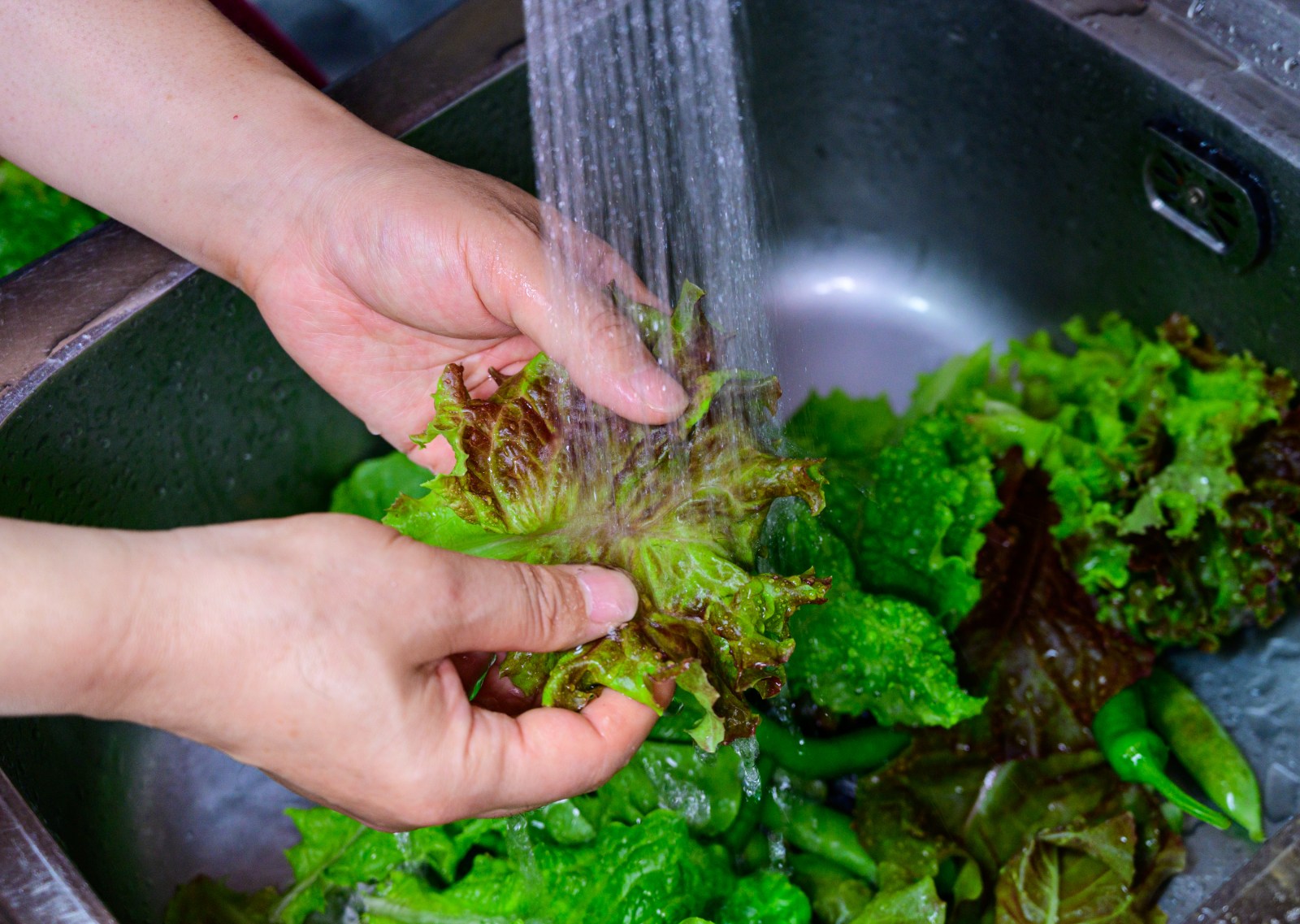
Consumers can lessen risks by washing produce under running water, refrigerating cut items, avoiding recalled sources, and selecting cooked or canned produce when concerned.
Ongoing Investigation
The cause of the latest outbreak remains unidentified. Investigators continue to search for the source. Public health agencies emphasize that consuming fruits and vegetables is vital for a healthy diet.