
The college athletics community is facing a period of uncertainty following new rules introduced by the SEC and Big Ten regarding the eligibility of athletes. These new guidelines have emerged in the wake of injunctions and temporary restraining orders granted by various judges.
On Tuesday, both conferences, joined soon by the ACC and Big 12, voted to establish rules that prevent athletes who have participated professionally from returning to college sports. These measures respond to several cases where players received court orders permitting them to play during the current season. The lawsuits largely originate from the NCAA’s revised eligibility guidelines, which allow athletes five years to play across five college seasons.
Under the new SEC and Big Ten policies, athletes who have signed contracts with professional teams, declared for drafts, or engaged in professional training camps are deemed ineligible for conference competitions. There’s a visible public distinction between the SEC and Big Ten. SEC presidents and chancellors conducted a vote to determine the path forward for addressing cases involving athletes who have pursued professional opportunities.
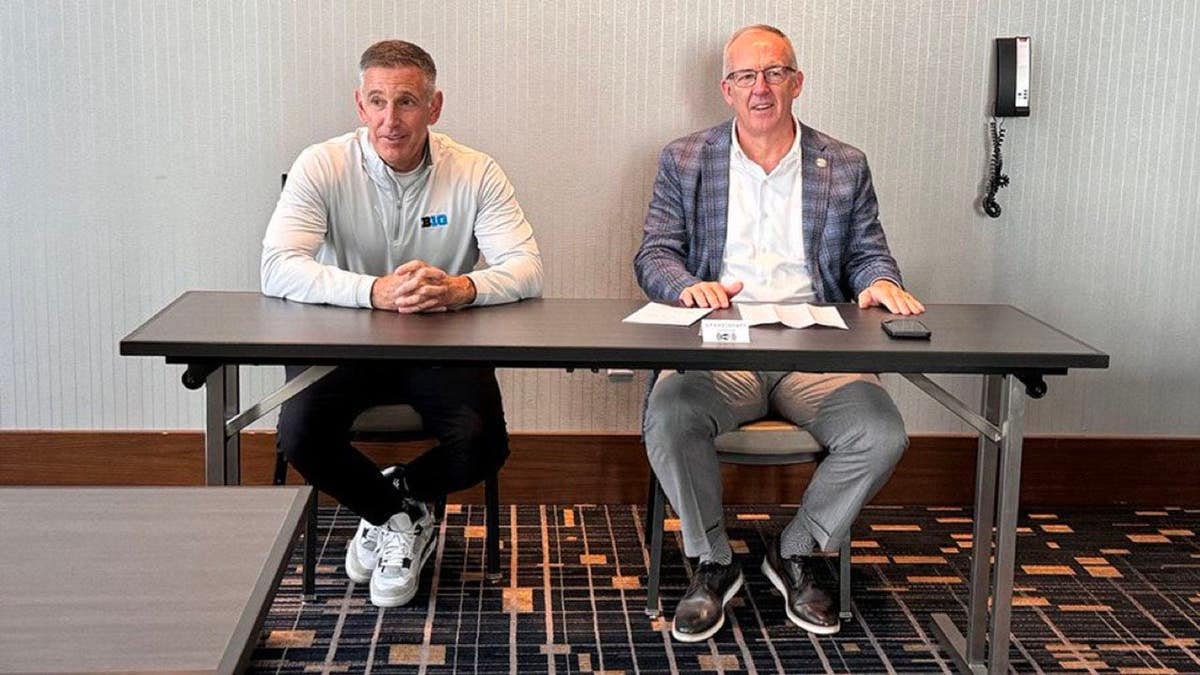
SEC Commissioner Greg Sankey now has the authority to enforce these rules, encompassing sanctions and fines for schools in violation. Meanwhile, Big Ten Commissioner Tony Petitti addressed these matters during a public appearance at Big Ten football media day in Indianapolis.
The impact on schools preparing to welcome athletes for the upcoming football or basketball seasons is significant. Attorney Ryan Downton, representing several players, noted that they’re devising a legal strategy to counteract NCAA and conference guidelines. He stated that the SEC’s actions might contradict court orders, describing the conduct as cartel-like in nature.
Ole Miss has taken legal action against football players leaving for Lane Kiffin’s LSU. Although SEC votes on these matters have been unanimous, legal challenges are anticipated. LSU coach Lane Kiffin, who’s been vocal about his strategic recruitment of players with professional experience, defended his actions, emphasizing the competitive necessity.
Kiffin highlighted that through recent court rulings, athletes granted a fifth year of eligibility are available for recruitment. Former Ole Miss athletes Dae’Quan Wright and Zxavian Harris are slated to join LSU due to an order from the 19th District Court of Louisiana.
Additional cases, like Texas offensive lineman Cole Hutson’s pursuit of eligibility through Texas courts, further complicate the scenario. Attorney Darren Heitner, representing Wright, expressed that SEC should comply with legal decisions allowing athletes additional seasons.
Schools now face a critical dilemma: abide by conference rules or follow court orders. The resolution of these legal conflicts over the coming days may significantly impact college athletics.