
The U.S. military awaits direction from the Pentagon after President Trump’s unpredictable troop deployment decisions in Europe. This uncertainty affects military personnel and could lead to significant financial costs, as reported by two U.S. defense officials.
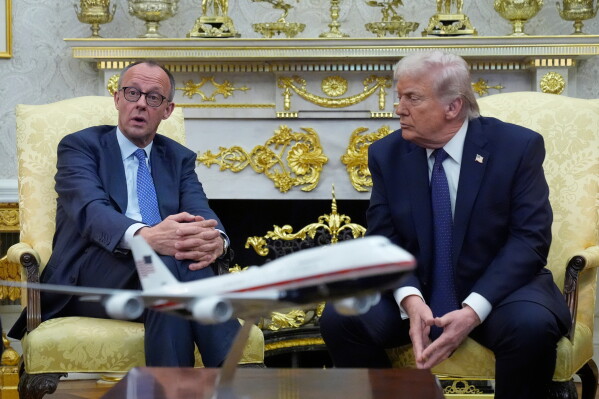
In May, confusion emerged among NATO allies when Trump proposed deploying 5,000 troops to Poland soon after withdrawing the same number from Europe. This decision followed a disagreement with German Chancellor Friedrich Merz over the Iran conflict. The Trump administration maintains that troop reductions in Europe have been long planned with allied coordination.
Two weeks ago, Trump surprisingly announced troop deployment to Poland on social media, coinciding with the Pentagon’s official order canceling a planned rotation of soldiers to Poland. Equipment was already en route, carrying a $32 million cost, per U.S. Transportation Command, the entity responsible for military logistics.
The policy adjustments prompted by Trump’s statements compel the military to modify strategies swiftly, affecting troop morale and creating logistical challenges. This uncertainty disturbs European allies anxious about signals to Russia and disrupts the American military’s budget.
Deployment Cancellations and Costs
The planned deployment of 4,000 troops from Fort Hood, Texas, was nullified at the start of May via military notification. Allies in Europe were informed mid-May. Not all soldiers had traveled; others remain pending confirmation on recalls to the U.S.
The military still lacks clear guidelines to adhere to Trump’s order for sending 5,000 troops to Poland. Current assumptions suggest these troops will originate from existing European units instead of new U.S. deployments.
U.S. Transportation Command already commissioned a vessel costing $32 million to move team equipment from Texas to Poland and back from Europe. Due to the lack of prior cancellation, potential savings are unclear, implying an unaccounted Pentagon expense.
Estimating total cancellation costs is complex, involving several variables, noted Joe Costa, a former Pentagon official. Challenges involve retrieving equipment and personnel held back from deployment. Readiness is paramount, as troops undergo preparation for specific missions, emphasizing the impact on mission focus.
Expenses involving private logistics firms could increase due to last-minute changes, reported John Deni, a prior military advisor and planner. Recovering expenses from mission amendments remains ambiguous.
Long-term Deployment Effects
Initially, the Pentagon considered retracting the 2nd Cavalry Regiment permanently stationed in Germany after Trump’s withdrawal threats. However, rotation cancellations toward Poland induced confusion.
Withdrawing troops from Germany involves substantial expenses, exceeding billions, as the U.S. must accommodate troops and their families without existing infrastructure. Alternatively, dispersing units risks readiness declines.
Such changes affect soldiers and their families planning deployments years in advance, causing potential distress. Direct impacts on troops stationed in Europe remain unspecified. Options include reassignment to Poland over extended durations and additional costs.
Army Budget Challenges
These developments arise amid an Army budget shortfall, which Gen. Christopher LaNeve identified to Congress. Estimated deficits range from $2 to $6 billion, prompting training course reductions for soldiers.
The Army has urged prioritization in resource allocation amid budget constraints, aligning with critical mission functions. Despite expectations for Homeland Security reimbursement for border mission expenditures, payments are pending, affecting financial planning.
The U.S. military in Europe is minimizing non-combat training, focusing crucial capabilities while navigating funding limitations.