
The U.S. Department of State traditionally funded groups defending free speech, human rights, and persecuted minorities in poor and authoritarian countries. Expert staff reviewed extensive data on regime abuses and held open competitions for funding. Recently, Trump administration officials presented department staff with their own list of organizations for funding, bypassing the usual open process.
This move caused surprise among staff and lawmakers. The proposed bypass included organizations aligned with conservative movements in Europe and groups like advocates for white South Africans. Interview data and documents from ProPublica revealed these intentions. One example is a British free-speech organization opposing bans on ‘gay conversion therapy,’ and an Afrikaner group advocating self-governance for South Africa’s white minority.
Former department employees describe this as a stark change from traditional aid focused on torture victims and documenting abuses in oppressive countries. A $4.9 million program aims to boost ‘civilizational self-confidence in Europe’ through research, conferences, and support for civil society. Recipients should avoid attempting legislative reforms, creating concerns about U.S. influence in allied countries.
This emphasis is evident in a grant for a think tank aiming to renew Judeo-Christian culture. Following Congressional pushback, the plan was dropped. William Allchorn, a researcher on U.K. extremism, noted, ‘I’ve never before seen U.S. government funding for such groups.’ Several proposed grants continue targeting traditional human rights but raise concerns due to the altered process.
Strict rules require open bidding to prevent waste and fraud. Exceptions, like ‘sole-source’ awards, occur in rare cases, such as emergencies or when only one organization can perform the work. ProPublica’s consulted experts and former staffers affirm that such justifications do not apply here. Concerns arise as political appointees now select grant recipients, replacing expert panels evaluating qualifications.
Unconventionally directing awards to high-income countries complicates matters. Normally, internal waivers justify these choices. The State Department declined to confirm if waivers were sought for these grants. Recent Congressional briefings expressed concern over proposed recipients and no-bid grants. An official, wishing to remain unnamed, stressed that grant processes are ongoing and involve multiple offices.
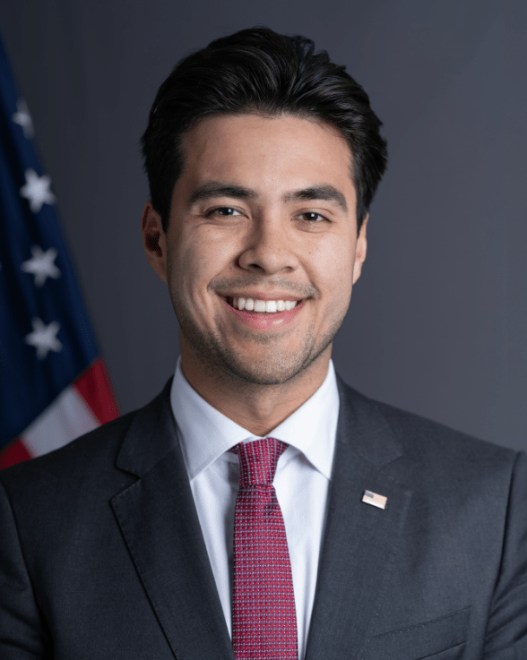
Responding to inquiries, the State Department stated, ‘Programs are under active deliberation, and no grant is guaranteed.’ Concerns extend to Samuel Samson, a 27-year-old deputy assistant secretary of state, previously a fundraiser for an ‘America first’ group, now influencing European far-right leaders.
One group, the Free Speech Union, may receive a no-bid grant despite its stance against LGBTQ+ protections. Documents reviewed by ProPublica outline a $5 million grant to combat ‘digital overregulation’ and support those facing ‘deplatforming.’ ProPublica’s research questions the legitimacy granted to such groups by U.S. government support. The Free Speech Union maintains it is nonpartisan and has not applied for U.S. grants.
The largest proposed award, $40 million, goes to the Victims of Communism Memorial Foundation, aiming to highlight communism’s fatalities and pursue freedom for those under authoritarian regimes. Previous U.S. grants were much smaller; experts question the foundation’s capacity for this large sum.
Samson’s connections include Elizabeth Spalding, board chair of the foundation and a faculty member at Hillsdale College, where Samson studied. However, the department claims his relationship with the Spaldings is irrelevant to the grant. The foundation remains unaware of the funding proposal, indicating its support for anti-communist initiatives aligns with U.S. priorities.
An additional plan targets minority crime research in South Africa. Initially slated for Lex Libertas, a white Afrikaner-linked group, the proposal now invites broader applications. Claims of white South Africans facing disproportionate violence remain unsupported. Observers challenge focusing on white South Africans over broader regional suffering.
A proposed $7 million grant aimed to promote ‘Anglo-American values’ but was dropped following Congressional challenges. Since the human rights bureau’s foundation in 1977, it supported human rights in over 100 countries, addressing political violence, torture, and sexual violence. However, Trump administration’s reshaping altered these efforts significantly.
Despite reduced budgets, the bureau continues working, albeit constrained. The State Department asserts alignment with strategic priorities despite changing global dynamics. Political appointees now direct grant strategies, a notable shift from previous practices.