
President Donald Trump defended the financial impact and depleted resources resulting from the war in Iran, asserting that U.S. weapon production is sustainable indefinitely. He also criticized his predecessor for prioritizing munitions support to Ukraine against Russia.
On Truth Social, Trump stated, We have virtually unlimited amounts of Mid to High Grade Ammunition, far more than we could ever use for this, or for any other War (which is highly unlikely!), that could improbably take place.
He added that munition production levels are unprecedented, positioning the U.S. for any unforeseen events.
Trump further claimed the Biden administration provided substantial munitions to Ukraine at no cost, and emphasized that hundreds of billions were granted to Ukraine and NATO, gratis. Plans to request monetary compensation, albeit overdue, were shared.
Analysts argue the U.S. defense sector faces genuine pressure from involvement in these conflicts, leaving potential vulnerability for Washington and its allies. Christopher Chivvis, from the Carnegie Endowment for International Peace, highlighted U.S. strategic overextension, cautioning of opportunities for adversaries like China and Russia.
Chivvis questioned the feasibility of Trump’s claim about limitless military capacity, noting that the Iran conflict has exacerbated military depletion, thereby impacting deterrents against threats like a potential People’s Liberation Army invasion of Taiwan.
A Department of War statement previously assured comprehensive operational resources for the military, underscoring global operational successes, while maintaining protective capabilities for national interests.
Military Assistance Diversities Between Ukraine and Iran
From February 2022’s Russia-Ukraine invasion until Biden’s term concluded, the U.S. allocated around $66 billion in security aid alongside $130 billion more for other assistance, according to reports by the Department of Defense, now the Department of War.
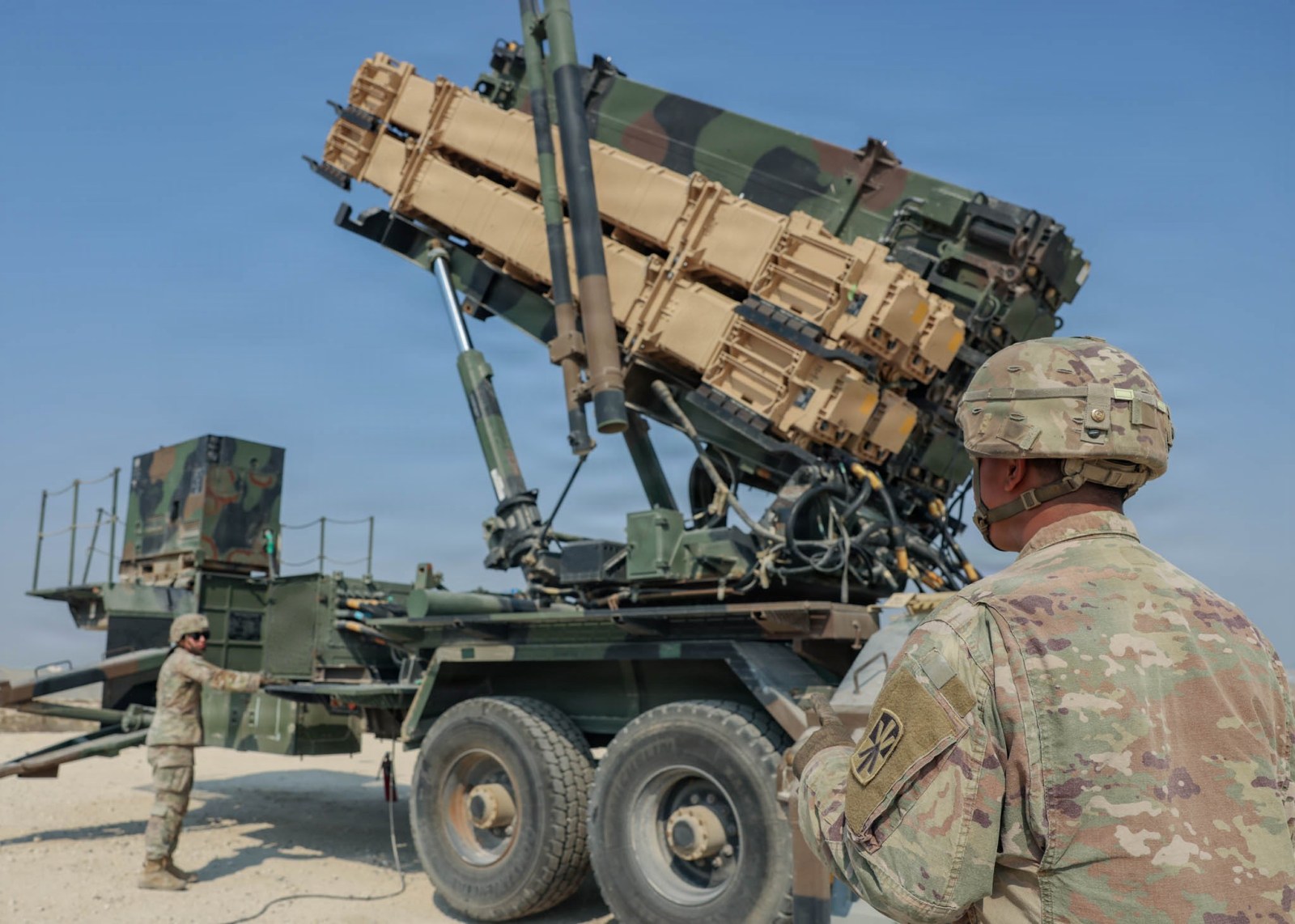
Weapons deployed to Ukraine comprise more than 4 million artillery shells, hundreds of thousands of mortar rounds, tens of thousands of rockets, and thousands of missiles including precision types. Additional apparatus furnished encompassed over 40 HIMARS, NASAMS, and Patriot systems with related munitions. Various military hardware like tanks, armored vehicles, helicopters, and supplementary operational units were also supplied.
Recently launched hostilities targeting Iran involved the U.S. deploying approximately 1,000 Tomahawk missiles, 1,100 JASSM, and 1,500-2,000 interceptors within the first 39 days, report analysts from the Center for Strategic and International Studies. Other substantial munitions such as JDAM, SDB, and PrSM saw significant usage.
Over 40 aviation assets, spanning drones and combat aircraft, were reported lost. Despite ongoing Middle Eastern conflict operations, the cumulative military expenditure remains notably lower than Ukraine’s armament support since 2022.
Fiscal Cost and Operational Differences
The price variance of munition types employed highlights the financial strains linked to specific conflicts. Costs for artillery shells range from $3,000–$4,000, whereas Tomahawk cruises are priced at $2–$3 million each. Patriot interceptors fired surpass those allocated to Ukraine across four years yet are estimated at $3–$4 million, with THAAD interceptors billed up to $12 million apiece.
Mark Montgomery from the Foundation for Defense of Democracies noted discrepancies in Trump’s assessment regarding Patriot system participation. Despite this, Montgomery affirmed the viability of continued dual conflicts at present rates.
Defense Secretary Pete Hegseth estimated Iran’s monetary conflict impact at $37.5 billion, with requests for an additional $70 billion for operations. Inclusive of fuel price fluctuations, living cost hikes, and reparative expenses, external sources project conflict expenditures exceeding $100 billion.
Fatalities and Strategic Impact
Conflict variances for the U.S. show aid provision contrasts against direct engagements with longstanding adversaries, affecting mortality figures. The Iran war reports 18 U.S. service member fatalities due to hostile actions and aircraft mishaps. No recognized American military combat deaths in Ukraine are officially acknowledged, though volunteer losses are recorded on Kyiv’s memorial.
Analysts express concerns over potential rises in U.S. military deaths due to ongoing confrontational commitments. Jennifer Kavanagh from RAND Corporation pointed out continued munitions availability for Iran combat, while identifying defensive resource restrictions. She highlighted readiness reduction ahead of any significant future confrontation.
Currently, Kavanagh claimed the U.S. lacked resources for major wars with China or Russia, stressing prolonged conflict durations defer U.S. military preparedness for substantial threats.