
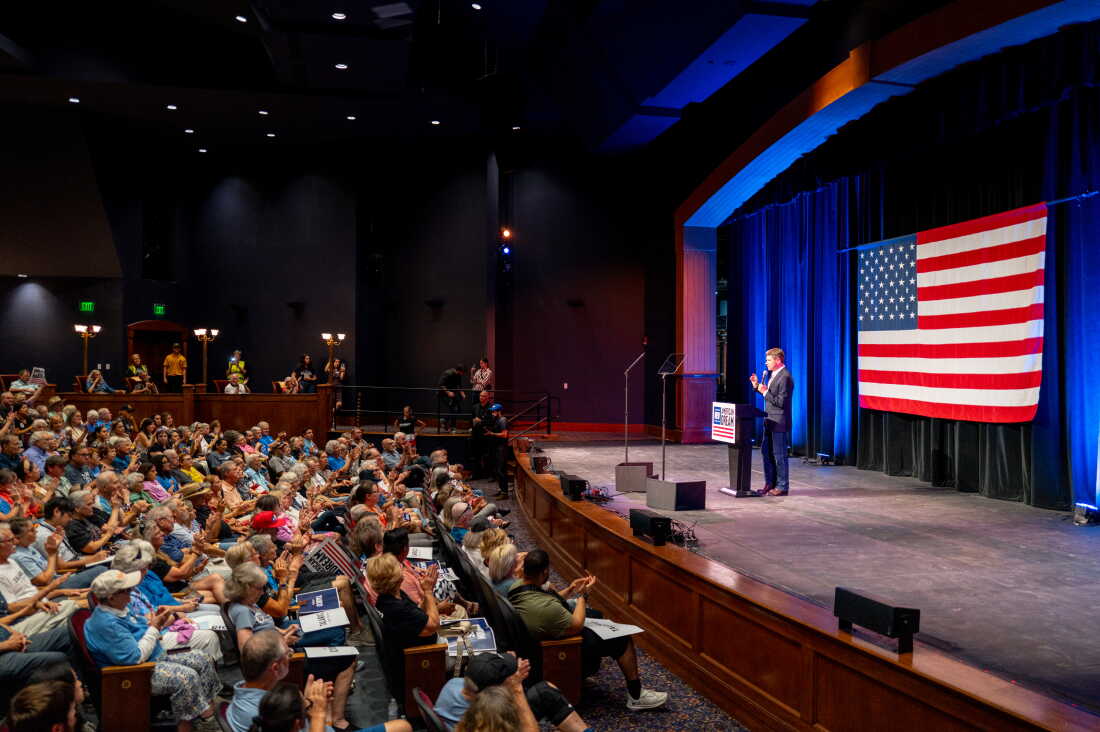
In August 2026, Democratic Senate candidate James Talarico spoke at a campaign rally in Kerrville, Texas. Labor Day marks the unofficial start of general election campaigns. Enthusiasm among Democrats and dissatisfaction with President Trump’s second term are reshaping the political landscape two months before Election Day.
Republicans currently hold narrow majorities in both the House and the Senate. Historically, the party in power tends to lose seats in midterms. However, primary results and public opinion polls suggest possible Republican losses in both chambers of Congress, including defeats in conservative areas.
Voters have expressed concerns over key Trump administration policies, including the war in Iran, immigration, tariffs, and rising gas prices. Additionally, affordable living in the United States remains a pressing issue. The president’s approval ratings have reached historic lows, with many voters perceiving a disconnect between their priorities and Trump’s focus, such as the White House ballroom project.
After losses in the 2024 election, Democrats have regained support among their voter base and independents dissatisfied with the current state of affairs. As control of Congress looms, both Democratic and Republican states have undertaken redistricting to create more secure seats for their parties.
Polling averages indicate a likelihood of Democrats gaining control of the House. More voters express a preference for Democrats in Congress rather than Republicans. Initially, Democrats faced challenges in achieving a Senate majority, with expensive toss-up races in states like Georgia and North Carolina favoring Republicans. Now, these contests extend to typically Republican-friendly states like Iowa, Texas, Ohio, and Alaska, making Senate control uncertain for either party.
The national climate favors Democrats, supported by strong nominees raising significant funds. In some cases, third-party candidates might influence outcomes by attracting dissatisfied voters. For the midterms, funding and messaging are crucial. Democratic candidates are outpacing their rivals in fundraising, while Republican committees and Trump’s MAGA, Inc. super PAC hold substantial reserves. Some Republicans question MAGA, Inc.’s support for vulnerable candidates, like Texas Senate nominee Ken Paxton. Recently, the super PAC announced a $10 million ad purchase for his campaign.
Republicans are conducting an unprecedented midterm convention in Dallas this week. The aim is to energize their base and convince independents they deserve continued control of Congress. Democrats are addressing messaging challenges while facing dissatisfaction from their base. Since Trump’s return, Democrats have improved their voter margins, including wins in Virginia and New Jersey governor races in 2025. Key House and Senate races feature Democratic nominees highlighting party flaws to connect with voters.