
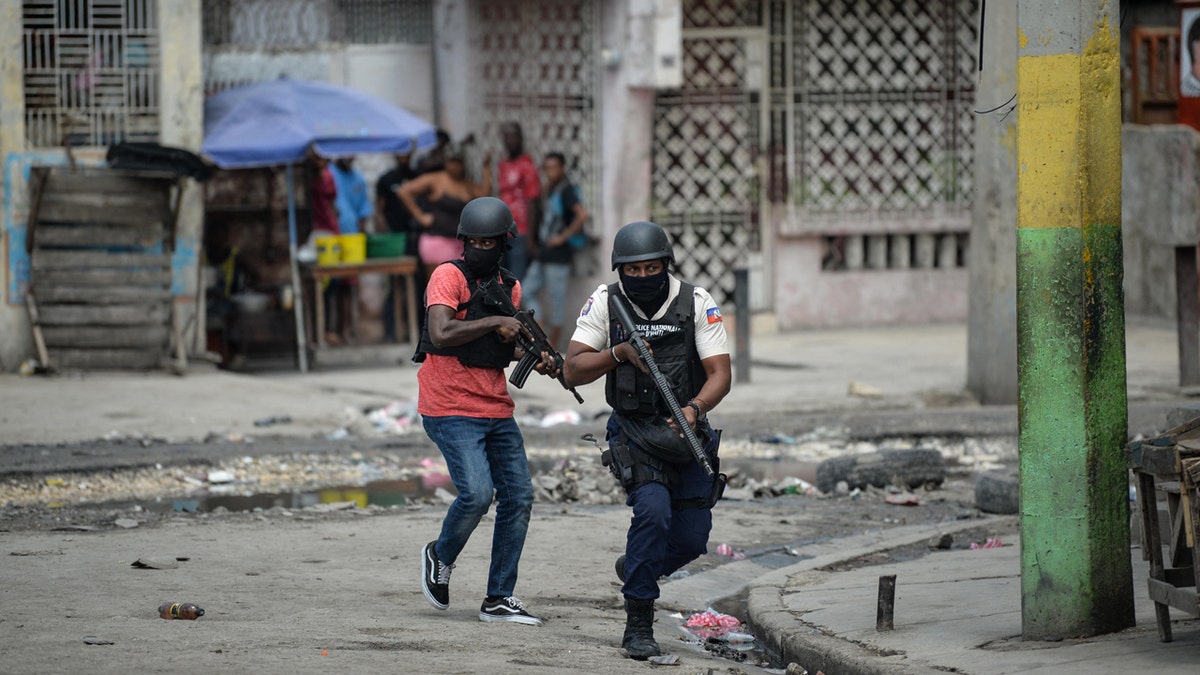
U.S. House lawmakers visiting Port-au-Prince, Haiti, encountered severe consequences of gang rule. The Assassination of Haiti’s former president in July 2021 had spiraled the city into chaos. Bullet-riddled walls and police dressed in heavy armor highlighted the urgency of the situation.
House Foreign Affairs Committee Chairman Brian Mast, R-Fla., described the scene. “Gangs block roads with rubble and debris, making passage impossible for military and police units,” he reported to Fox News Digital. “Some areas resemble Afghanistan. It’s possibly the poorest place I have ever visited,” he added.
Mast led a bipartisan congressional delegation to Haiti and Venezuela, marking the first such visit in a decade. In Haiti, the officials were hosted by the prime minister. Mast commented on the transformation of the prime minister’s palace, once akin to a war zone, now a symbol of reclamation efforts across Port-au-Prince.
Despite these improvements, gang violence remains prevalent. Mast referenced a disturbing video where a Haitian gang tortured a heavy machinery operator assisting police with clearing barricades. “They kidnapped his family, demanding an exchange. He surrendered himself,” Mast detailed. “They brutally killed him, first cutting off his ears and forcing him to consume them. They then attacked him with machetes until he died.”
“They ensured only bone and skin remained,” Mast recounted somberly. “It’s indicative of who these gangs are.”
The violence extends beyond allies of local authorities. Mast recounted the tragic kidnapping of a 6-year-old U.S. citizen. The girl was held by a gang, potentially subjected to sexual crimes. Mast noted, “It appears we secured her release yesterday.” Negotiations had been ongoing for 46 days regarding ransom payment.
A State Department spokesperson confirmed awareness of an American child’s kidnapping. However, they provided no further details, prioritizing the family’s privacy.
Complex Political Landscape
Mast criticized Haiti’s political history for nurturing gang formation. “Politicians have exploited their positions, robbing the nation rather than aiding it,” Mast argued.
Concerning Haitians in the U.S. facing repatriation, Mast had an unexpected take. Thousands could return after temporary protected status ended. He suggested that able-bodied males could reinforce police and military forces, empowering them to combat gangs.
This reflects Mast’s belief in a self-sufficient approach for Haiti’s security. Elizabeth Elkind, a politics reporter, provided additional insights. Follow her reporting by contacting her through the provided email address or Twitter handle.