
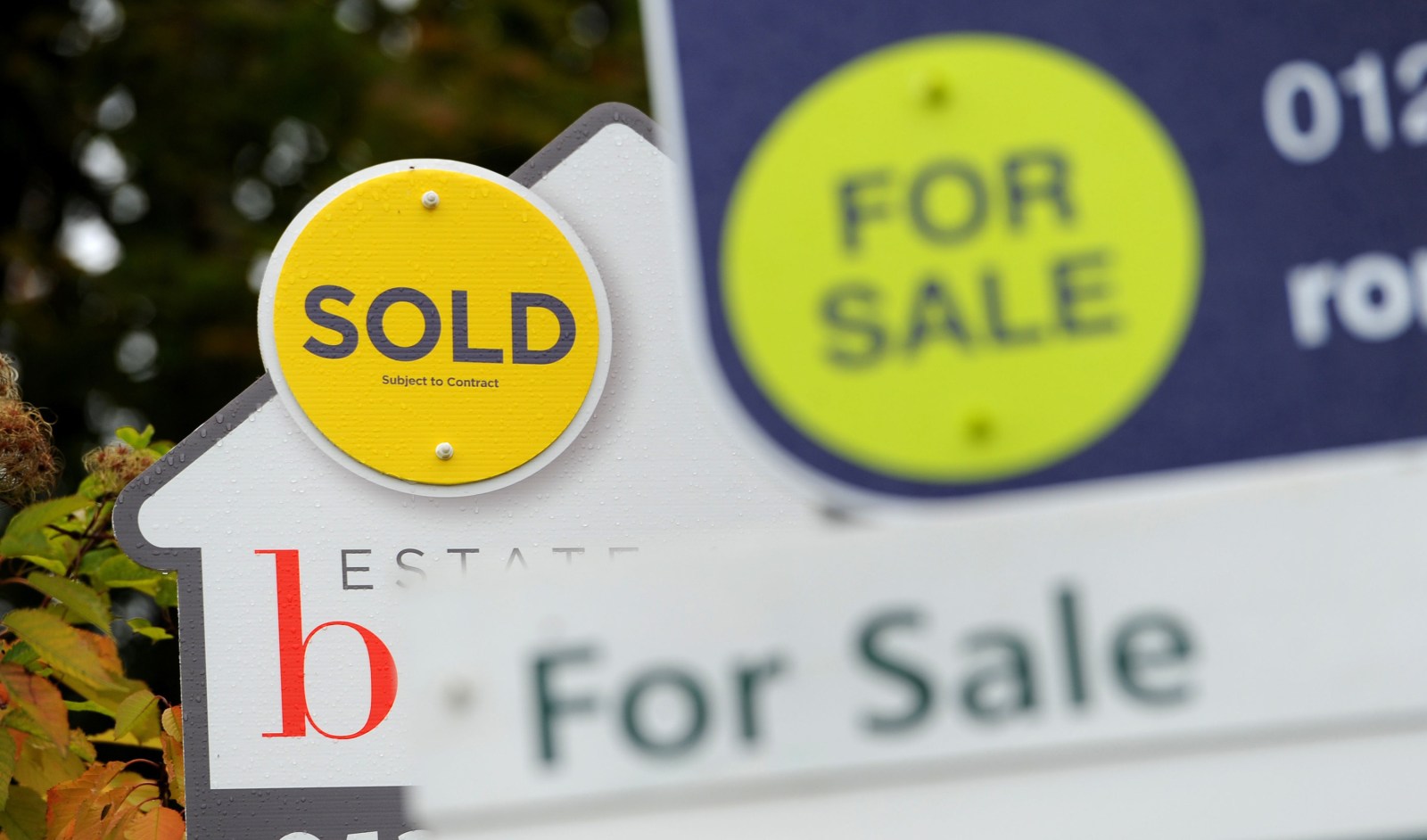
The average mortgage rate in the U.S. has risen above 6.5%, causing existing-home sales to decline, as reported in recent data. Millions of Americans find homebuying increasingly unaffordable. The sale of existing single-family homes, townhomes, condos, and co-ops decreased by 1.7% in July compared to June. This type of home sale, representing most of the properties available in the U.S. market, rose by 0.7% from a year earlier, the National Association of Realtors (NAR) indicated. Overall, 4.06 million existing homes sold in July.
Experts had predicted a market revitalization in 2026 due to slight improvements in affordability. Expectations included mortgage rates dipping below 6% and slowed home price growth aligning with wage increases. However, July marked the 37th month of consecutive year-over-year home price increases, with the median price at $434,100, according to NAR. The 30-year fixed-rate mortgage reached 6.69% last week, marking the fifth consecutive week of increases.
Potential buyers are hesitant, resulting in stagnant home sales.
America’s Housing Regional Divide: Winners and Losers
The U.S. housing market is split, with some regions experiencing a resurgence in inventory, especially in Southern states such as Florida and Texas. In contrast, supply shortages persist in the Northeast and Midwest. These areas, particularly the Northeast, face high demand despite tight inventory. Existing-home sales in the Northeast rose by 2% from June, overcoming affordability challenges even as prices in the region increased by 5.2% from the previous year, according to NAR data.
In the Midwest, known for affordability, sales dropped by 2% in July from June. Despite this, the region outperforms many others due to its lower median home prices. NAR’s chief economist, Lawrence Yun, noted that in smaller cities and the Midwest, a household income of $60,000 can afford a median-priced home. Last month, the median sale price was $342,900, up 2.8% from a year earlier, with sales up by 2.1% from a year earlier.
In the South, a significant price correction followed an end-of-pandemic increase in new home supply, aligning with a slowdown of newcomers. Existing-home sales dropped by 3.1% in July from June, maintaining an annual rate of 1.86 million sales, unchanged from the previous year. The median home price in the South increased by 0.9% to $371,700.
The West, remaining an expensive region, experienced minimal change, with many remote workers moving out during the pandemic. Sales remained stable in July compared to June, at an annual rate of 730,000, but improved by 1.4% from the previous year. The median price was $622,200, slightly up by 0.2% over the year.
What Happens Next
The housing market’s future hinges on mortgage rate trends, as the anticipated improvement in affordability did not occur this year. Buyers presently have more leverage, with sellers lowering their asking prices. Future housing market performance will heavily rely on potential changes in mortgage rates. According to Yun, returning mortgage rates near 6% could invigorate the market.