
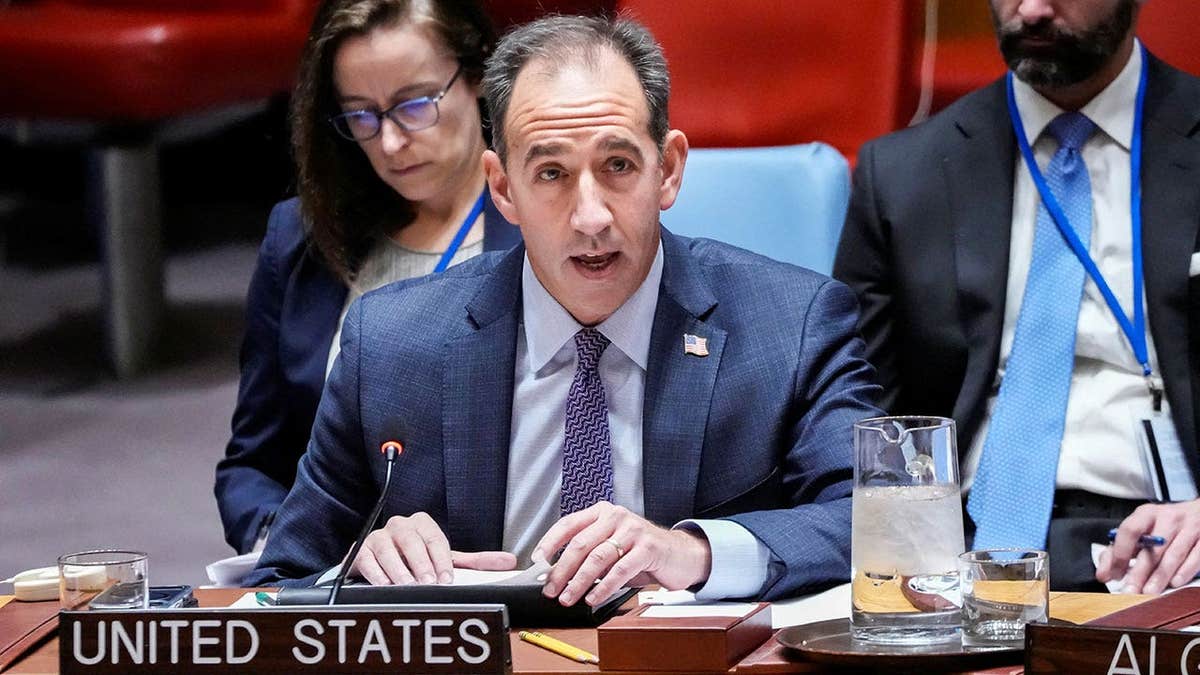
UNITED NATIONS — Jeff Bartos appeared before the Senate Foreign Relations Committee in 2025 for his confirmation hearing with skepticism surrounding the existence of his prospective role. Nominated by President Donald Trump, Bartos aimed to serve as U.S. ambassador for United Nations Management and Reform, a position symbolizing the challenge of tackling bureaucracy.
During the hearing, Bartos faced disbelief from lawmakers who considered U.N. reform implausible. However, less than a year later, Bartos claims progress is underway. He shared in an exclusive interview with Fox News Digital his mission to reshape the United Nations, often criticized for inefficiency and mission drift.
UN reform? That’s an oxymoron if I’ve ever heard one,
lawmakers told him.
BUDGET CUTS AND MEMBER STATES’ ROLES
The Trump administration is applying pressure to cut budgets and enforce reforms. Bartos noted historical achievements, including $570 million trimmed from the U.N.’s regular budget and 2,900 positions eliminated, thanks to negotiations among all 193 member states.
Bartos emphasized these changes were unprecedented, fostering consensus among member states. Even as the U.N. faces a liquidity crisis, the administration ties future funding and support to reforms. Secretary-General António Guterres urged member states to act on structural reform, warning against complacency.
CHANGING CULTURES AND BUDGET NEGOTIATIONS
Bartos outlined forthcoming targets, including altering reimbursement practices for peacekeeping mission equipment, potentially saving $30 million annually. Beyond figures, Bartos stressed a culture change where efficiency and taxpayer respect are paramount.
The U.N.’s pension system and benefits like employee compensation consume resources potentially divertible to humanitarian efforts. Mike Waltz, U.S. Ambassador to the U.N., explained the administration’s approach towards these changes, showcasing the importance of budget negotiation discipline.
THE FUTURE OF THE UNITED NATIONS AND ANTI-ISRAEL BIAS
As debates around reform and the selection of a new secretary-general intensify, Bartos pushes to reduce bureaucracy and focus on foundational missions. Challenges lie ahead. Bartos, an endurance athlete, equates the reform effort to triathlon training, highlighting endurance and long-term strategies.
Efforts also target entrenched anti-Israel bias within U.N. bodies, aggravated by recent reports adding Israeli forces to a blacklist alongside known offenders. Israel disputes these allegations, emphasizing institutional antisemitism.
ACTION AGAINST ANTISEMITISM
Bartos argues that bias pervades U.N. structures and outlines diplomatic and engagement methods to dismantle these biases. Despite ongoing initiatives like the Action Plan to Combat Antisemitism, disagreements over control and effectiveness persist.
A CALL FOR CHANGE
The U.N.’s largest financial contributor, the U.S., demands changes to satisfy its expectations. Bartos asserts that substantial work remains. His mission reflects personal motivations too, with influences stemming from his political background and recent global events.