
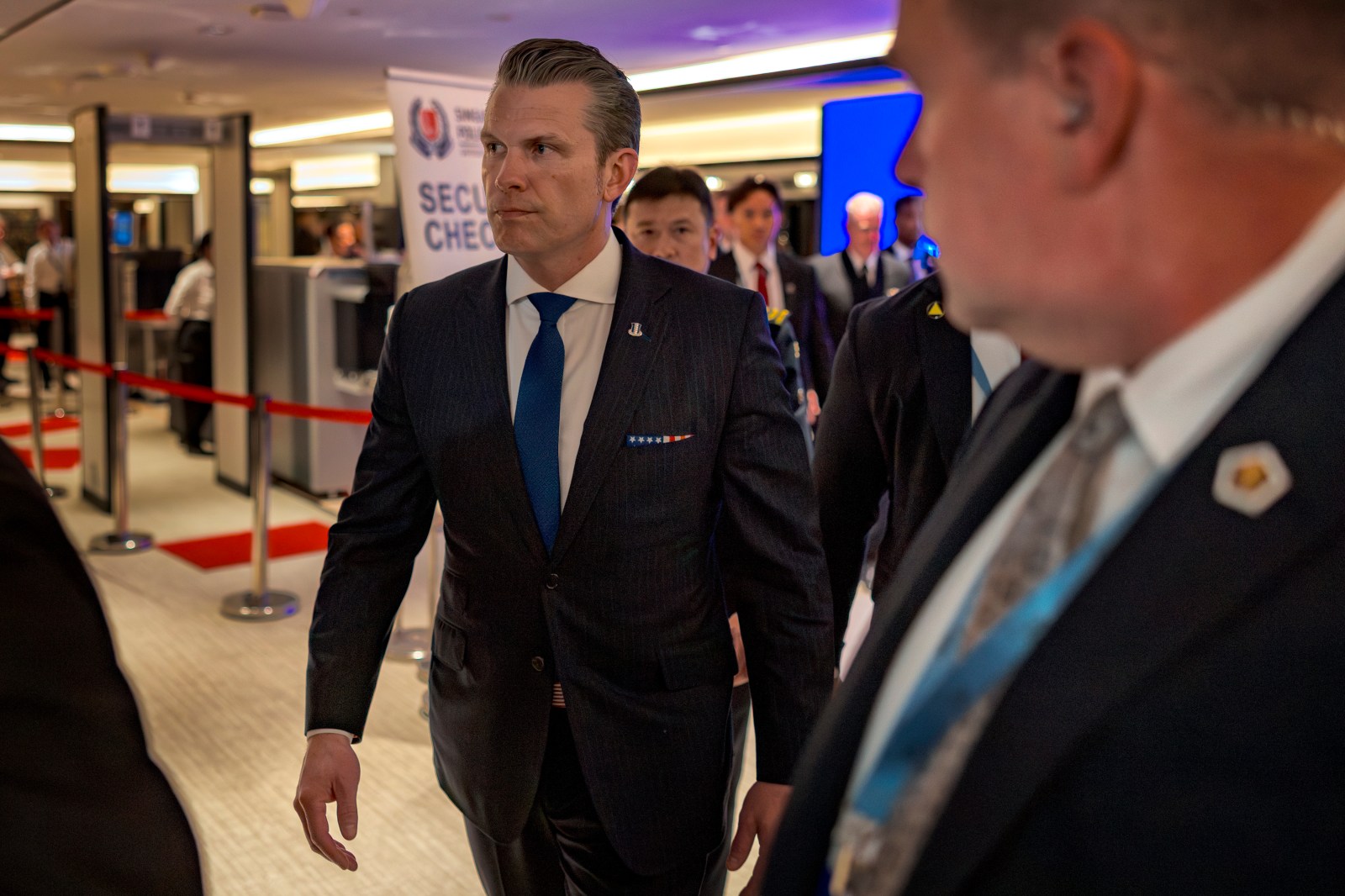
Careful Approach at Singapore Summit
At a defense summit in Singapore, U.S. Secretary of Defense Pete Hegseth delivered remarks concerning Taiwan. An analyst from a Chinese think tank noted these remarks seemed carefully aligned to avoid disrupting President Donald Trump’s diplomatic efforts with China. The address took place 15 days following Hegseth’s visit to China with Trump — the first U.S. presidential visit in nine years. The visit aimed to reset the U.S.-China relationship, addressing trade, technology, and Taiwan issues.
President Xi’s Stance on Taiwan
China regards Taiwan as a breakaway province and has not ruled out using force for reunification. Trump shared that Xi Jinping warned of serious consequences if Taiwan issues were mishandled during their discussions. Trump later called a $14 billion arms deal a “negotiating chip” and placed it on hold.
Hegseth’s Calculated Language on Taiwan
While Hegseth projected U.S. strength to international partners, he adopted a more restrained tone compared to his previous year’s address. He avoided naming Taiwan directly, emphasizing deterrence strategies in the region. His approach aimed to minimize conflict potential through the First Island Chain, an area considered crucial in limiting Chinese military advances.
Arms Sales and Diplomacy
During the summit, Hegseth recognized the sensitivity surrounding arms sales to Taiwan. There is no decision on this arms package yet, and Da Wei from Tsinghua University highlighted the complexities surrounding this issue. A decision in favor of the arms package could complicate Xi Jinping’s planned visit to the U.S.
During a Q&A session, Hegseth reassured that current munitions stockpiles would suffice worldwide despite delays in arms sales, like the one intended for Taiwan.
The U.S.’s Role in Taiwan Arms
The U.S. continues to be Taiwan’s primary arms supplier, according to the Taiwan Relations Act. While Washington promised China a gradual reduction in arms sales to Taiwan, no definitive timeline exists. This stance has sometimes been used to negotiate with Beijing and manage bilateral relations.