
Iranian Regime’s Responses
Iranian officials assert confidence in dealing with the United States, contemplating increased hostilities. However, such actions likely stem from desperation rather than strength.
U.S. Military Response
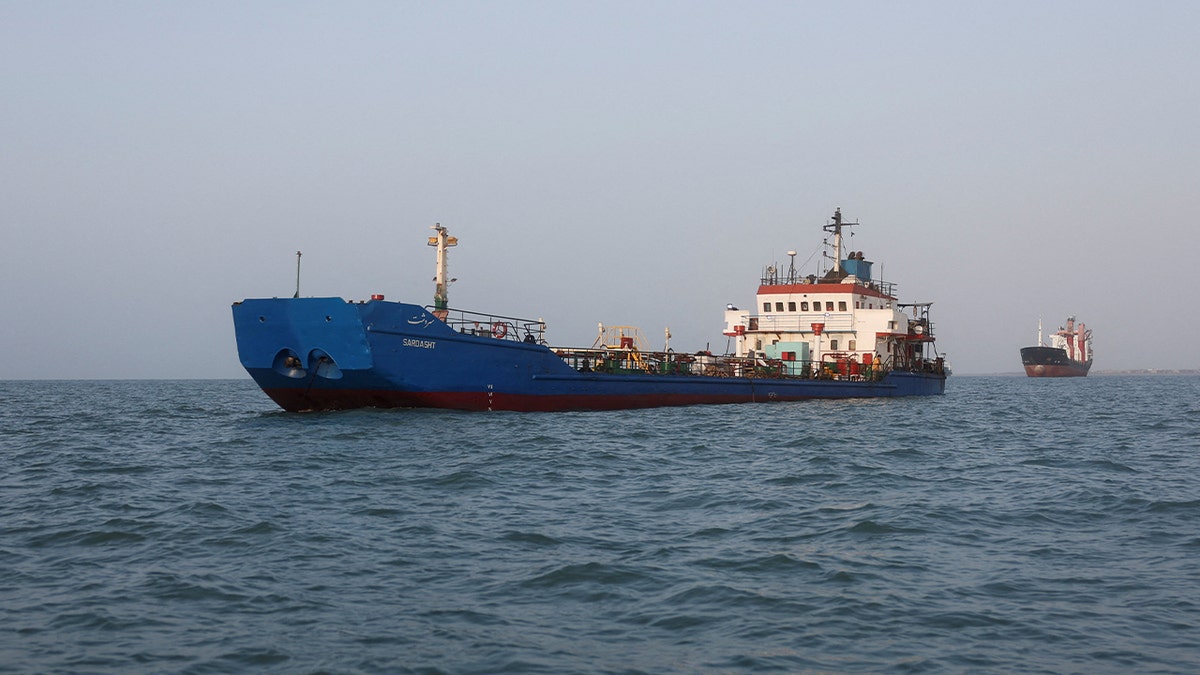
On September 5, U.S. Central Command struck three Iranian tankers. Admiral Brad Cooper stated, “If you shoot at two of our ships, we will impose an even higher economic cost, taking out three of yours.” Subsequently, five more tankers were destroyed following missile attacks on U.S. Navy vessels.
Iran’s Economic Weakness
President Donald Trump opts for economic pressure, complemented by precise military interventions, crippling Iran’s capabilities against U.S. allies. Despite the temporary nature of this strategy, progress is evident in the public narrative.
Failed Iranian Attacks
U.S. defense effectiveness is highlighted by Iran’s unsuccessful attempts at missile targeting, with many failing to even enter Jordanian airspace. Iranian backers, including Russia and China, provide limited aid, not significantly impacting outcomes.
Diplomatic Standpoints
Trump dismisses negotiations with Tehran, favoring economic and strategic dominance over the Strait of Hormuz. Temporary economic relief for Iran through past agreements has not deterred them from aggressive actions.
Criticisms and Misconceptions
Critics of Trump’s Operation Epic Fury argue failure, but overlook the regime’s continuous nuclear ambitions thwarted only by sanctions and military intervention. The idea that the regime is formidable lacks evidence as U.S. actions counter threats effectively.
Military Competence
U.S. operations illustrate military prowess, dismantling significant Iranian military elements and leadership. Naval blockade and sanctions further debilitate Iran’s efforts.
Continued Military Operations
Trump remains open to authorizing further strikes. The deployment of U.S. forces in the region supports strategic objectives, guiding commercial ships through vital waterways.
Calls for Strategic Diplomacy
Moving forward, the U.S. seeks removal of enriched uranium from Iran and ensures the Strait of Hormuz remains open for trade. Diplomacy with allies like Israel and Europe, distancing from Chinese and Russian influences, remains crucial.
Rebeccah Heinrichs is a fellow at the Hudson Institute, focusing on missile defense and nuclear deterrence. Follow her @RLHeinrichs.