
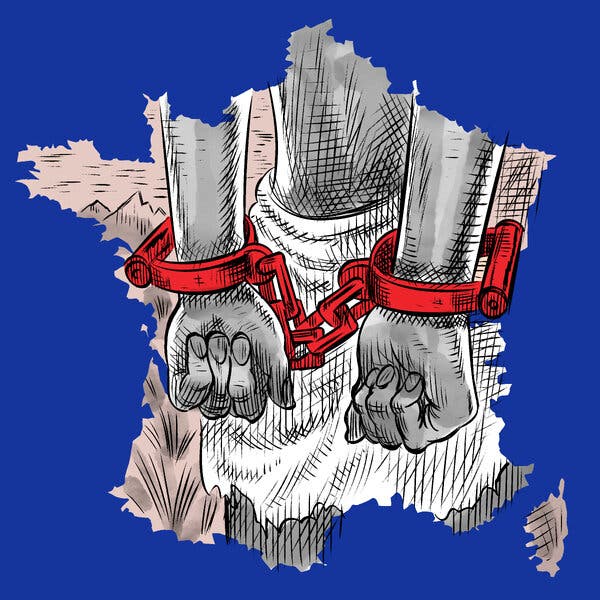
In May 2025, France’s then-prime minister, François Bayrou, was asked a surprising question in Parliament. A member wanted to know why France had not officially revoked the Code Noir. This infamous set of laws enforced slavery in French colonies. Many were unaware that these laws still existed. Bayrou, caught off guard, promised to present a bill to abolish the Code. However, after his government collapsed, the laws seemed likely to persist.
Fast forward to May 2026, a new bill initiated by Max Mathiasin from Guadeloupe is set to be discussed in the National Assembly. This bill intends to annul the Code Noir, a move anticipated to be overdue after 341 years since Louis XIV implemented these laws. Annulment of the Code Noir is essential, but its historical significance in France’s colonial past is crucial to explore.
The Code Noir is known for legally turning African captives into ‘movable goods.’ While it enabled colonial profit, Louis XIV’s conservative Catholic principles heavily influenced these laws. The document’s first article didn’t address enslaved Africans but expelled Jews from Caribbean colonies.
This legal framework was underpinned by a disturbing promise made by Catholic countries: captives lost freedom but gained salvation through Christ. For Louis XIV, this belief formed the foundation of his slave economy. In contrast, English colonies, like early Virginia, seldom baptized captives as some Protestants thought Christians shouldn’t be enslaved.
Louis XIV believed forced labor could reflect divine compassion in his colonies. Religious groups like the Jesuits were supposed to educate free and enslaved people but ended up operating slave farms to fund their missions.
An instance of this contradiction is Dominican priest Jean-Baptiste Labat, who managed a sugar plantation in Martinique in the 1690s. While he baptized enslaved individuals and mourned enslaved children’s deaths, he showed cruelty toward African religious practices. Labat’s dual role as both a compassionate figure and an enforcer of the Code Noir underscores how the system functioned as intended.