
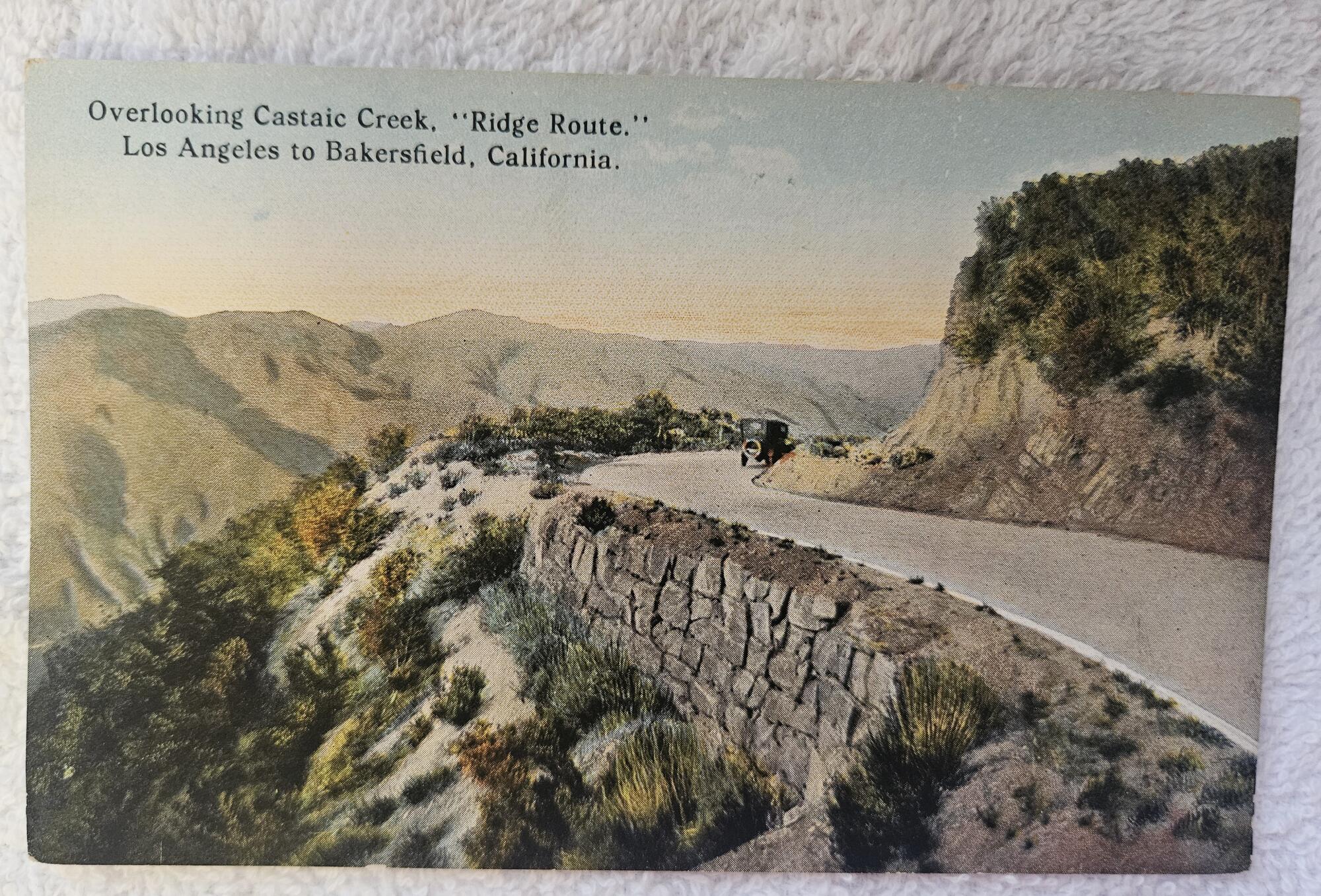
The Route 5, also known as Interstate 5, massively connects two distinct regions in California: Southern and Central California. Before it was completed in 1970, navigating Tejon Pass was challenging. Truckers and travelers contended with the windy, icy, and foggy conditions of the hill and ridges.
Historically, the route evolved significantly. Initially, two Ridge Routes existed before Interstate 5: the first finished in 1915, notorious for its 697 curves over 36 miles, with a speed limit of 15 mph. Though rare, a portion of this route is open today, mainly for local traffic or antique car clubs. Volunteers often maintain these routes to preserve their historic integrity.
The Ridge Route Preservation Organization works diligently to maintain this historic passage.
Human travel through the mountains began long before the Ridge Routes. Native Americans inhabited the region for centuries until the arrival of Spanish soldiers in the 1770s. The area, known as Castaic, derives its name from the Chumash word for “eye.” The Spanish named it Canada de las Uvas, meaning “grape canyon” due to the wild grapes that thrived there.
Fort Tejon, built by the U.S. Army in 1854, served to monitor Native Americans. The fort witnessed California’s strongest recorded earthquake, a 7.9 magnitude event in 1857.
Transporting goods through the Tejon Pass was arduous. Some routes involved lifting and lowering wagons by pulley due to the steep grades. Pioneers like Phineas Banning and Andres Pico sought to carve out more manageable paths, leading to the use of stagecoaches and, later, automobiles like the early 20th-century Autocar.
Edward Beale’s contribution to road-making was significant. He deepened a cut in the rock, now known as Beale’s Cut, charging fees for passage.
The new Ridge Route opened in 1916, offering immense improvements over the old path. As car technology advanced, so did road services and accommodations, including hotels and repair garages along this vital connection between Los Angeles and Bakersfield.
The Ridge Route was not without incidents. In 1931, an accident left a woman stranded for two days, while highway robberies were rampant in the early days. The Ridge Route became infamous for these dangerous conditions.
Though safer routes opened, the Ridge Route retains historical importance. It’s listed in the National Register of Historic Places, and organizations work tirelessly to preserve it as a testament to California’s motoring past.
Today, some remnants of the Ridge Routes overlap with Interstate 5, reminding passersby of its historical significance. The Ridge Routes helped shape pathways for future infrastructure developments.
The Ridge Route Preservation Organization, with enthusiasts like Sydney Croasmun, continues to honor this historic path. They aim to tell the story of California’s transportation history, keeping it alive for those who want to experience it.