
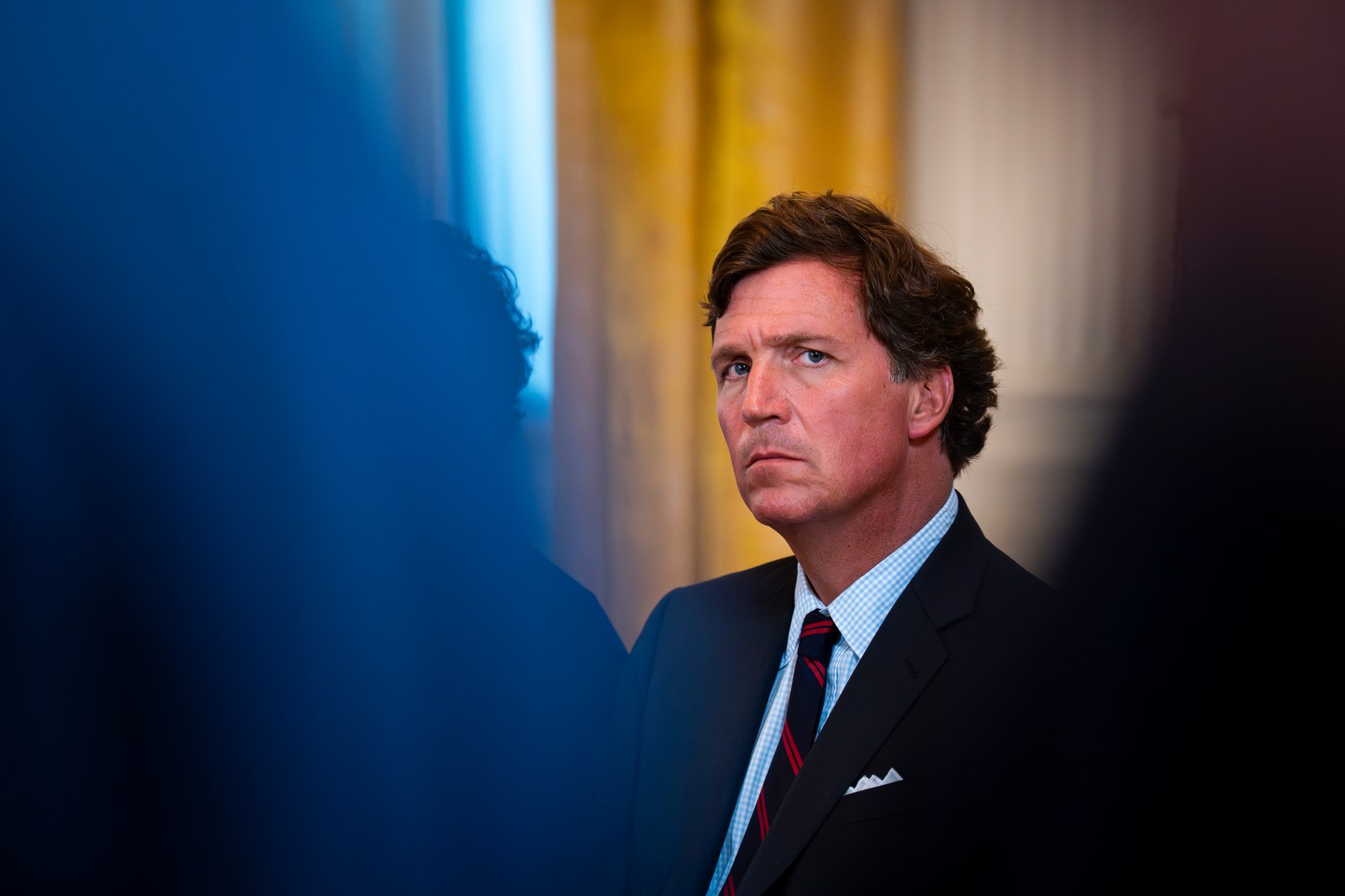
Tucker Carlson has faced criticism after suggesting Americans should consider halting credit card payments. This suggestion comes amid record-high household debt.
Context and Reaction
Carlson’s comments have stirred debate across political lines. Known as a right-leaning media personality, Carlson’s suggestion aligns more with left-wing economic populism. This shift has initiated discussions on whether bipartisan concerns over rising debt levels are escalating.
Kevin Thompson, CEO of 9i Capital Group, noted Carlson appears to challenge traditional financial norms and align with working-class frustrations. Thompson warned, however, that if Americans stopped paying credit card bills, the financial system would quickly collapse.
Interview Highlights
During a video discussion on X, Carlson questioned the fairness of the debt system, likening it to blaming drug addicts while ignoring dealers. He implied that Americans face a stacked system, suggesting they might consider opting out, a surprising stance for a conservative figure.
Backlash and Expert Opinions
Critics argue Carlson’s advice is reckless. Finance expert Michael Ryan warns against defaulting, highlighting severe consequences like plummeting credit scores and wage garnishments. Ryan stressed that banks will likely get bailouts, leaving borrowers to face long-term damage.
Current Credit Card Debt Data
As Carlson made his comments, U.S. consumer debt remained high. Many Americans have credit card balances, with historically high interest rates. Borrowers often pay high interest with minimal payments, extending debt duration. Data from Forbes and WalletHub supports these observations, noting increasing rates on student loans.
Views from Debt Experts
Debt expert Dave Ramsey, known for advocating against debt, advises aggressive repayment. On his show, he questioned the necessity of credit cards, citing years without personally using them. Ramsey argued that most credit card users fail to pay their balance monthly.
Risks of Halting Payments
Stopping credit card payments can severely damage credit scores, trigger collection actions, lead to lawsuits, and create obstacles in obtaining loans, housing, or jobs. Financial literacy instructor Alex Beene warned that not paying would increase debt and damage credit scores, complicating future financial prospects.
Future Implications
Carlson’s statements are unlikely to influence formal policy changes, but they occur amid rising scrutiny over credit card debt and interest rates. Most Americans are expected to continue payments despite the growing frustration.
Ryan noted that while complaints are real, potential outcomes are devastating. For Gen Z, the consequences could extend into major financial decisions like mortgages and business loans.