
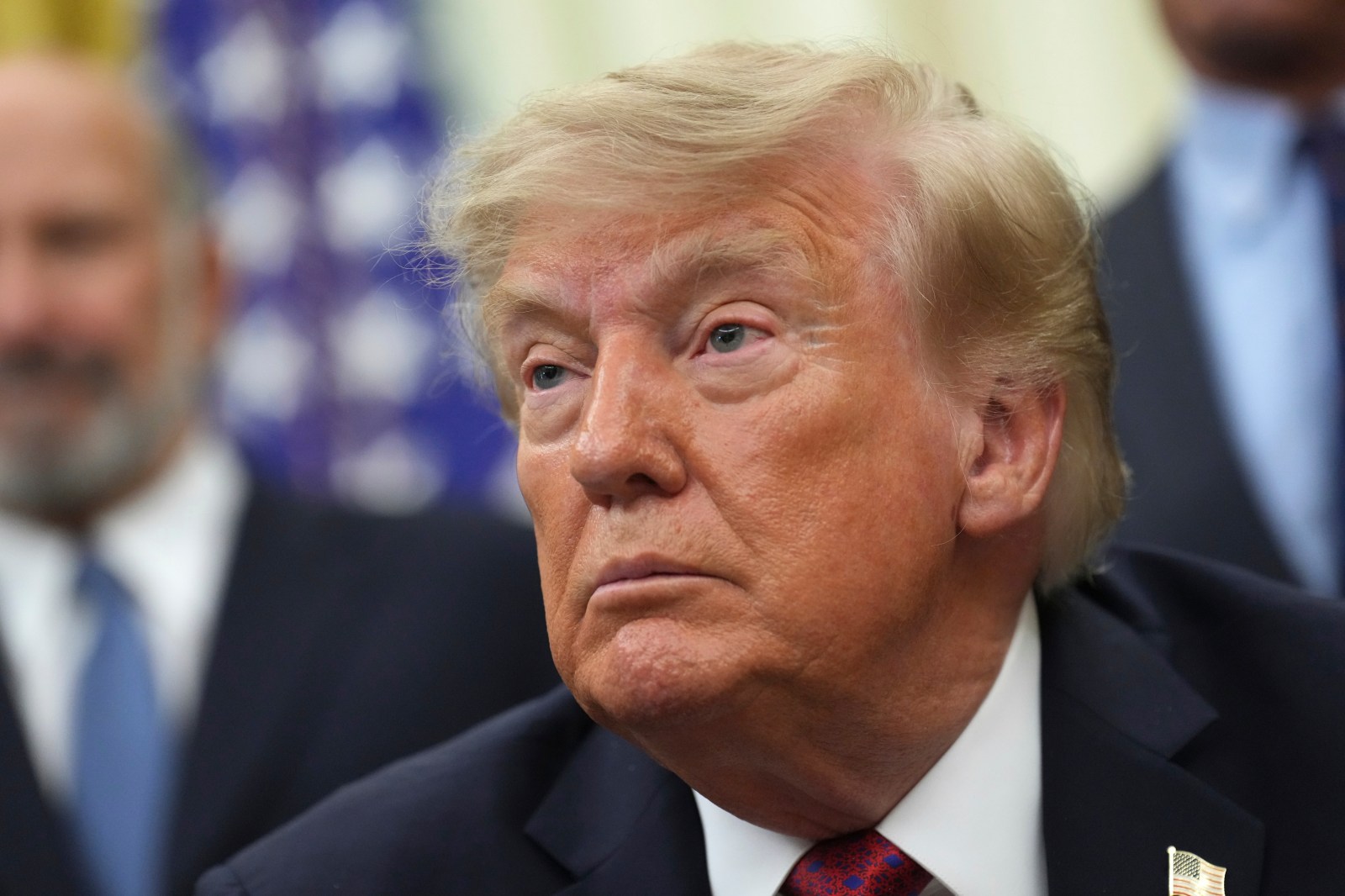
Former President Donald Trump has reiterated his support for data centers, warning communities against rejecting these projects. He claims they could risk becoming “backwards and poor.” He argues that data centers generate jobs, investment, and tax revenue, positioning them as essential in the United States’ competition with China.
Nevertheless, a growing number of Republicans, including Representative Tim Burchett from Tennessee, have expressed concern over the rapid expansion of data centers. Burchett has responded to Trump’s support by suggesting he feels labeled as “backwards and poor.” Many within the GOP have distanced themselves from Trump’s position, influenced by voter worries over rising electricity costs, water usage, tax incentives, and the local impacts of massive server farms.
Growing Republican Skepticism
There is a appearing divide within the Republican Party regarding data centers. As the midterm elections in 2026 approach, many GOP candidates are considering restrictions or consumer protections against AI expansion. Public opposition to local data centers has intensified, with polls reflecting skepticism even among Trump’s own supporters. An Economist/YouGov poll revealed 47% of 2024 Trump voters opposed a new local data center.
Opposition extends beyond Trump’s political base. A Gallup survey indicated that 7 in 10 Americans opposed data centers in their area, while a Politico poll showed rising opposition to facilities being close to homes.
Local Concerns and Industry Response
Critics of data centers raise concerns over noise, pressure on power grids, rising utility bills, and environmental impacts. Tech companies like Meta, Microsoft, Amazon, and Google continue to develop large facilities for AI and cloud services.
Data centers reportedly use 3.4 trillion gallons of freshwater annually in seven main U.S. states due to their power needs. This is according to sustainability nonprofit Ceres. The water use exacerbates existing strains on local resources.
Different Approaches Among Republicans
Republican representatives and candidates, such as Representative Tim Burchett and Senate nominee Mike Rogers, propose various measures to address environmental and community concerns. Burchett suggests military locations for data centers away from residential areas and criticizes inadequate public education on this issue.
Mike Rogers, running for Senate in Michigan, advocates for a one-year statewide moratorium on new data centers. He argues for a pause to evaluate their impact on communities and infrastructure. Meanwhile, Representative Tom Barrett in Michigan supports legislative measures to enhance local authority and prevent federal overreach.
State Level Actions and Restrictions
In Texas, Governor Greg Abbott calls for stricter standards for data center projects. Abbott has shifted from promoting AI investments to advocating more engagement with affected communities. Ohio Senator Jon Husted echoes these sentiments, arguing data center operators should absorb energy costs rather than passing them on to consumers.
In Pennsylvania, gubernatorial candidate Stacy Garrity supports greater local involvement in data center approvals. Similarly, Wisconsin gubernatorial nominee Tom Tiffany emphasizes protecting state resources over becoming a global data hub.
National Debate and Future Directions
The criticism of data centers relates to their alleged impact on electricity, noise pollution, and local infrastructure. Opponents claim residents often have insufficient input on projects significantly altering communities. Mid-sized centers can use substantial water amounts for cooling daily, which concerns communities facing drought.
Proponents champion data centers for creating jobs and offering economic advantages, positioning them as essential for AI and technological competition. This ongoing debate within state politics and the Republican Party may affect future data center projects and policies.