
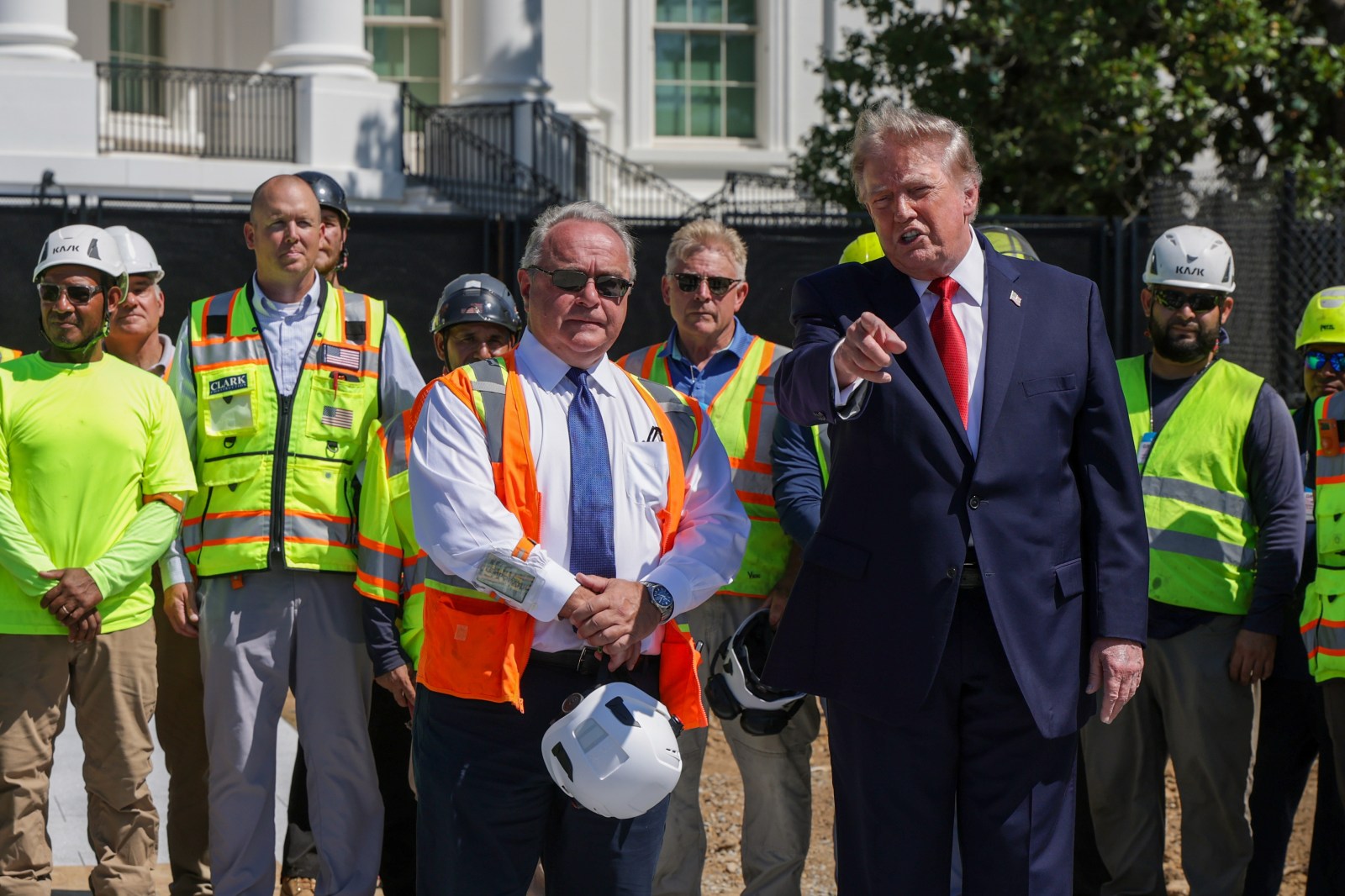
Trump’s Promise on Housing Affordability
President Donald Trump returned to the White House in January 2025 with the goal of addressing America’s housing affordability crisis. He emphasized deregulation, increased home construction, and mass deportations of undocumented immigrants as strategies to expand housing supply and reduce costs.
A year ago, he assured Americans that his second term would expand homeownership opportunities, despite challenges like rising home prices and high mortgage rates. During a September 2025 HUD event, Trump reiterated his commitment to building homes, drawing on his experience as a real estate developer.
Administration Actions and Market Outcomes
The administration has initiated measures on deregulation, immigration enforcement, and restrictions on institutional investors. Yet, these actions haven’t led to a significant increase in homebuilding. Although the housing inventory has slightly risen since Trump took office, it resulted from weaker demand and properties taking longer to sell rather than new homes being constructed.
Single-family housing starts have reached their lowest level in over three years. Despite a modest rise in active housing listings, new listings have decreased.
Initial Housing Market Conditions
When Trump resumed office, the housing market dealt with years of underbuilding. This created a shortage estimated between 2.8 million and 10 million units. Though inventory began recovering, many areas remained below pre-pandemic levels.
According to Redfin, there were 1,400,188 active listings nationwide in January 2025, rising to 1,473,056 by December. New listings dropped from 383,208 in January to 376,281 in December.
Construction Activity During Trump’s Leadership
Construction data shows limited momentum. In January 2025, the annual rates reported by the Census Bureau included 1.5 million building permits and 1.4 million housing starts. Single-family housing starts fell 8.4% from the prior month.
By the end of the year, statistics showed little change, with single-family starts increasing only slightly from the previous month. This contradicted the construction boom Trump promised.
Housing Inventory Improvements
The number of homes for sale increased modestly during Trump’s first year. However, inventory doesn’t necessarily indicate new housing supply. High mortgage rates and rising prices discouraged buyers. Consequently, homes remained on the market longer.
The Northeast and Midwest continue to face acute shortages. As of July, nationwide homes for sale dropped 0.65% from the previous year.
Challenges Facing Builders
Builders face a paradox: a housing shortage coexists with a growing stock of unsold homes. Price cuts and reduced profits are common.
The NAHB Chairman highlighted the challenges of construction costs and affordability pressures. High mortgage rates, rising material costs, and other factors make it hard for builders to offer affordable homes.
The NAHB/Wells Fargo Housing Market Index showed muted builder confidence in August, reflecting ongoing uncertainties.
Future Expectations in the Housing Market
Mortgage rates continue to impact affordability. Increased housing supply offers long-term benefits by providing more options and stabilizing prices.
Builders appreciate some deregulatory measures, but still face large financing and construction-cost pressures limiting production. Weak buyer affordability might deter new project starts.
While inventory might improve in parts of the South and West, the structural housing shortage persists. Nearly two years into Trump’s term, the affordability crisis remains a significant challenge.