
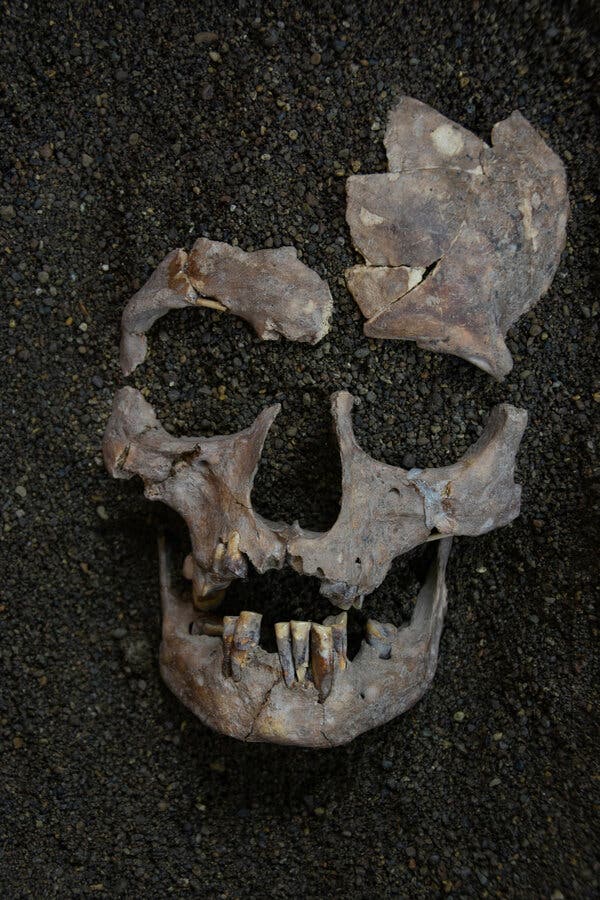
Recent findings reveal that early hunter-gatherers in Indonesia may have been using betel nuts up to 25,000 years ago. Two skulls uncovered in the region display similar deep grooves on their teeth. Scientists believe these marks are the result of frequent betel nut consumption, which releases psychoactive compounds.
Humans have explored psychoactive substances for millennia. Alcoholic beverages like beer and mead, psychedelic ayahuasca, and opium have been part of human history. However, new archaeological findings extend the timeline of drug use back much further. Teeth from a hunter-gatherer, dating between 16,000 and 25,000 years ago, demonstrate early drug experimentation.
The molars, discovered in a Sulawesi cave, show grooves likely caused by betel nut sucking. This nut, or areca nut, remains popular today, with over 600 million users. Prior evidence of drug use included 13,000-year-old beer from Israel. The recent discovery pushes this history back by thousands of years, suggesting a deeper connection with psychoactive plants.
Adam Brumm, an archaeology professor at Griffith University, conducted the study published in Science Advances. He noted that ancient humans often used psychoactive plants more than previously understood. This behavior seems integral to human history.
The discovery marks a shift in understanding human engagement with drugs. With over 600 million people chewing betel nuts today, this practice has deep historical roots.