
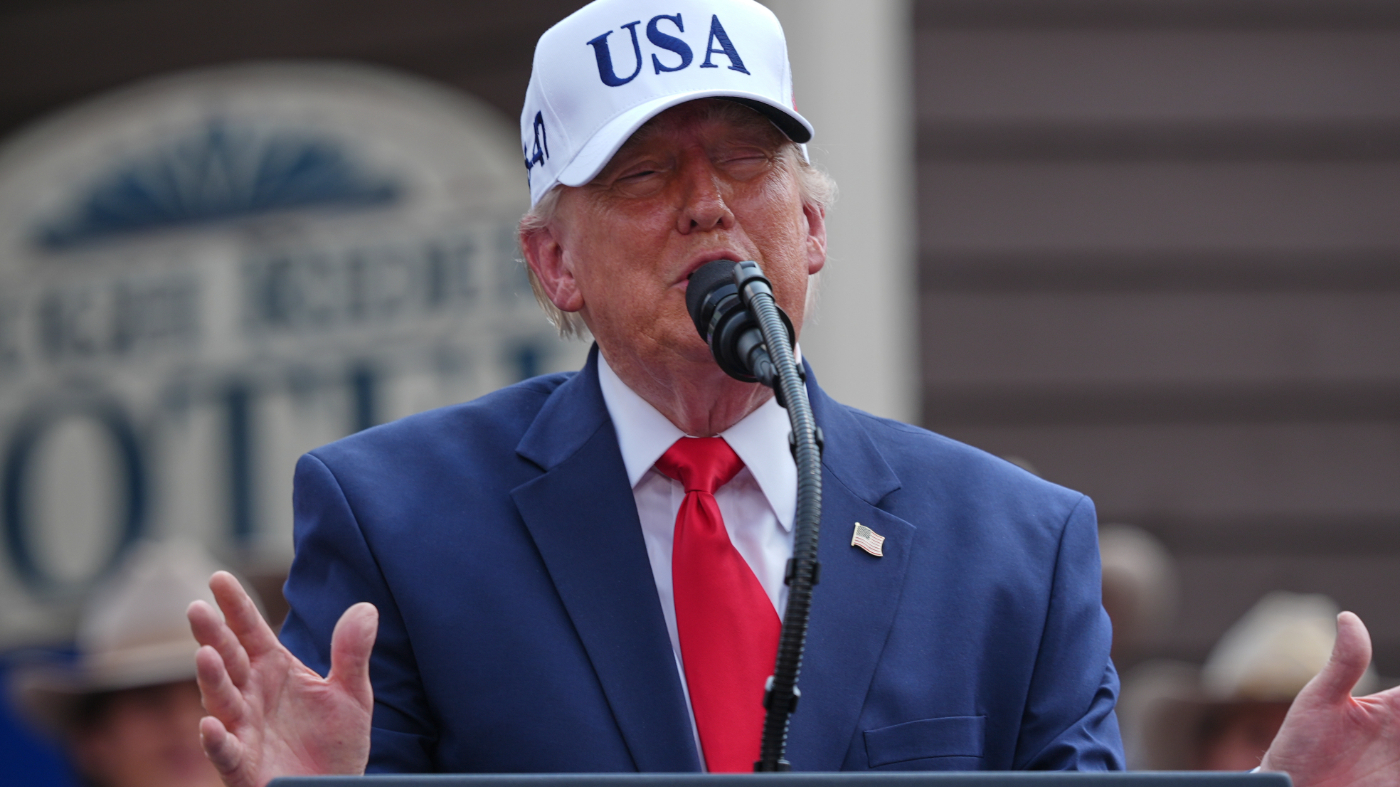
On July 1, 2026, President Donald Trump gave a speech at the opening ceremony of the Theodore Roosevelt Presidential Library in Medora, North Dakota. This event drew attention amid ongoing discussions about his administration’s foreign policy decisions, particularly surrounding the recent Iran war.
During this complex period, Secretary of State Marco Rubio visited Abu Dhabi on June 23, marking his first visit to the Gulf since the war began. In an important statement, he emphasized the need to consider the perspectives of Gulf states in U.S. decisions. This sentiment, while welcome, acknowledged a historical oversight. Throughout the conflict, the administration did not send top officials to support Gulf states, which bore the brunt of Iranian attacks targeting crucial sectors like energy and transportation. The closure of the Strait of Hormuz further disrupted their economies.
The current administration’s new focus on ally relationships signifies progress but highlights past shortcomings. The gaps in Rubio’s recent diplomacy compared to what was required before and after the conflict demonstrate a broader issue in Trump’s foreign policy. Disregarding essential diplomatic efforts was a significant flaw in the U.S. strategy, reflected in the memorandum that ended the conflict in terms favorable to Iran.
The war showed how American power diminishes when diplomacy is absent. The U.S. has global allies with vast diplomatic, military, and economic resources. Yet, during Trump’s administration, there was little effort to foster a supportive coalition. The decision for war was made unilaterally, leaving strategic allies unconsulted and unsupported when challenges arose. When help was needed, allies were unavailable due to strained relationships from tariffs, threats, and disparagement.
Lessons to be learned include recognizing that alliances require long-term investment and respect. Allies are crucial in supporting U.S. policies, not adversaries to manipulate. Strengthening diplomatic efforts remains essential to mitigate further damages from the war.
One priority is the Strait of Hormuz. The conflict ended with Iran agreeing to reopen it, but future governance remains unclear. Global consensus seeks a return to its pre-war state, without Iranian control. U.S. diplomacy should push for a binding United Nations Security Council resolution to restore the status quo.
Another area needing attention is Iran’s nuclear program negotiations. The memorandum reduced U.S. economic leverage prematurely. Rebuilding this includes forming a coalition supporting a deal to neutralize Iran’s nuclear capacity, impose enrichment limits, and halt its support for proxies. This goal aligns with the interests of partners around the world.
Secretary Rubio’s recent statement with Gulf counterparts addressed these issues, providing a promising direction. America’s future diplomatic actions must embrace respect for global opinions, in line with its foundational values.
John Hannah, a senior fellow at the Jewish Institute for National Security of America, and former national security advisor to Vice President Dick Cheney, contextualized these developments. As the U.S. reflects on its history, respecting international perspectives remains vital.
© 2026 Nexstar Media Inc. All rights reserved. Unauthorized distribution prohibited.