
Mosquito and Tick Reduction Plan for D.C.
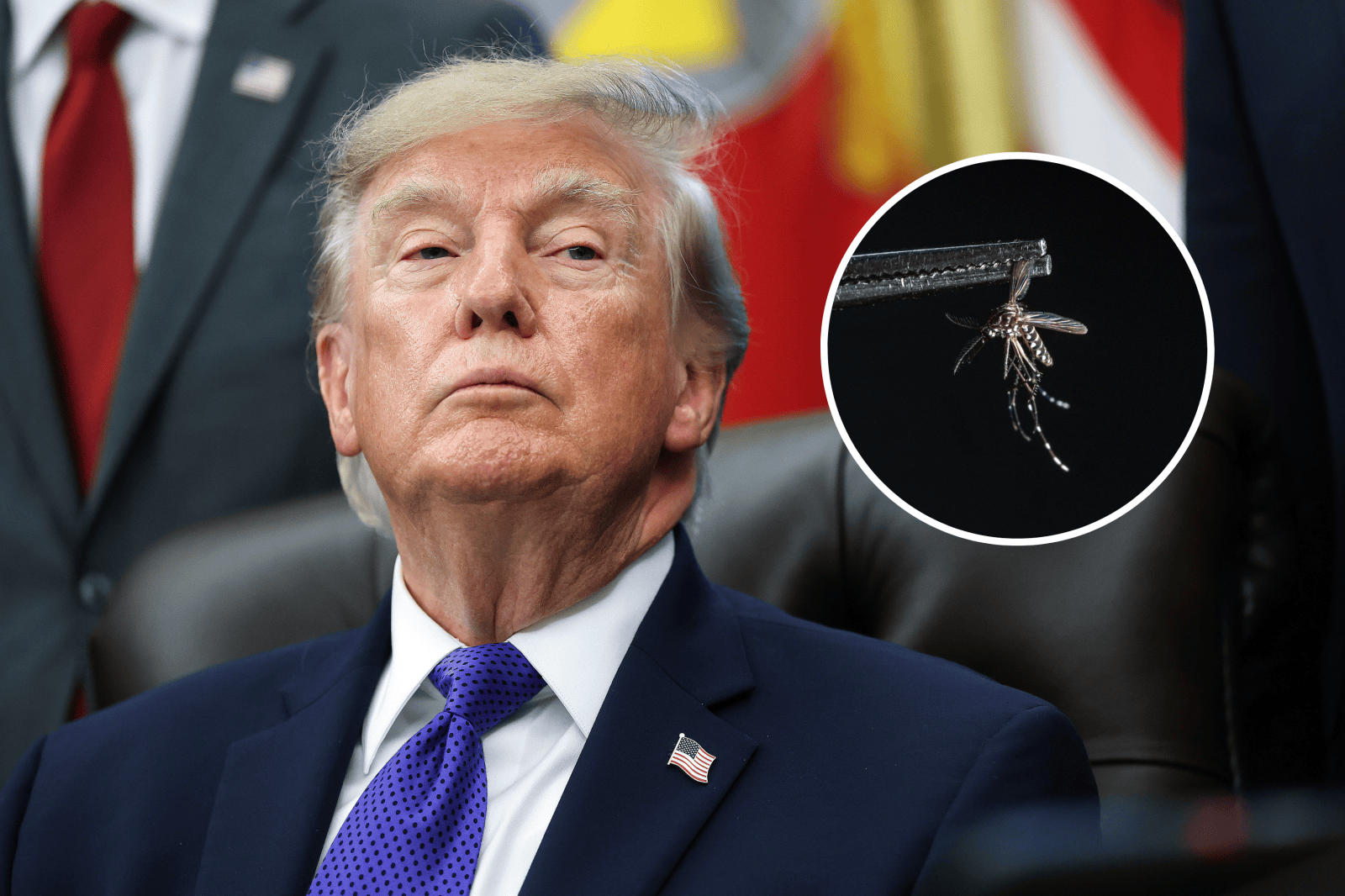
President Donald Trump recently signed an executive order targeting the mosquito population in Washington, D.C. This initiative arrives amidst a dengue fever outbreak in Florida. The order instructs federal officials, including Secretary of the Interior Doug Burgum and Agriculture Secretary Brooke Rollins, to initiate a 60-day campaign. The objective is to cut certain invasive mosquito species by 90% within this timeframe.
The order also includes a plan to decrease tick numbers in the area by 50% over the next two years. This entails addressing breeding grounds in federally controlled lands and prioritizing commercial and cooperative strategies to control the populations.
Using Technology for Safe Pest Control
The order encourages the development of a regulatory framework focused on innovative mosquito and tick control technologies. Officials emphasize the importance of non-chemical solutions, highlighting their safety and effectiveness.
The administration aims to further research on mosquito- and tick-borne diseases. Methods include prize competitions, research initiatives, and public-private collaborations to drive technological advances.
There is also a directive for health and science agencies to advance efforts against Lyme disease and other diseases transmitted by pests. These agencies are to explore emerging technologies potentially capable of reducing disease-carrying pests.
In addition to these measures, there’s a provision for assessing labeling options for products with substantial alpha-galactose content. Alpha-gal syndrome, linked to tick bites, can cause severe red meat allergies.
Focus on Public Health and Beautification Efforts
The concluding statement from the executive order expresses the intention for Americans to enjoy a safe and beautiful National Capital, free from invasive mosquitos and ticks. This aligns with the president’s broader Make America Healthy Again agenda and beautification projects tied to recent semiquincentennial celebrations.
Dengue Fever Outbreak in Florida
Meanwhile, Florida is experiencing a notable dengue fever outbreak. Three counties have declared states of emergency due to a rising number of cases. The Florida Department of Health noted 190 cases in 2026 across six counties, with Hillsborough County reporting 170 cases. Local officials termed this surge ‘wildly unusual.’ Heavy rainfall might be contributing to the situation.
Dengue fever, spread by infected Aedes mosquitoes like Aedes aegypti, has become a global concern due to its rapid transmission. Although primarily affecting travelers, local transmission can occur. The Centers for Disease Control and Prevention highlights dengue’s prevalence in regions such as Southeast Asia, the Pacific Islands, the Caribbean, South America, and parts of Africa.
For more information on this story, contact Matthew Cannon and Sam Wilson at Newsweek.