
President Donald Trump recently ended an interview with NBC’s Kristen Welker after facing challenges on various claims he made. His contentious relationship with journalists, especially women, has been a recurring theme throughout his political career. These confrontations have provoked questions about his attitude towards female reporters, underscoring broader concerns in the journalism field.
A UNESCO report from 2021 highlighted the disturbing reality that nearly 75% of surveyed female journalists had encountered online violence. 20% reported offline attacks tied to online abuse. This raises significant concerns about the safety and treatment of women journalists.
During the interview aired on Meet The Press, Welker questioned Trump on topics such as the Iran conflict and a proposed $1.8 billion anti-weaponization fund intended to compensate those claiming unfair investigations by the government. This fund faced bipartisan criticism. Trump further reiterated unsubstantiated claims that the 2020 election was rigged. Welker pressed Trump for evidence; he responded with dismissive remarks about her credibility and that of other media networks.
Trump’s departure from the interview came after he attacked Welker’s credibility and accused media networks like ABC, CBS, and CNN of being dishonest. His abrupt exit featured dismissive comments towards Welker, highlighting a tendency to clash with female journalists.
A Broader Pattern
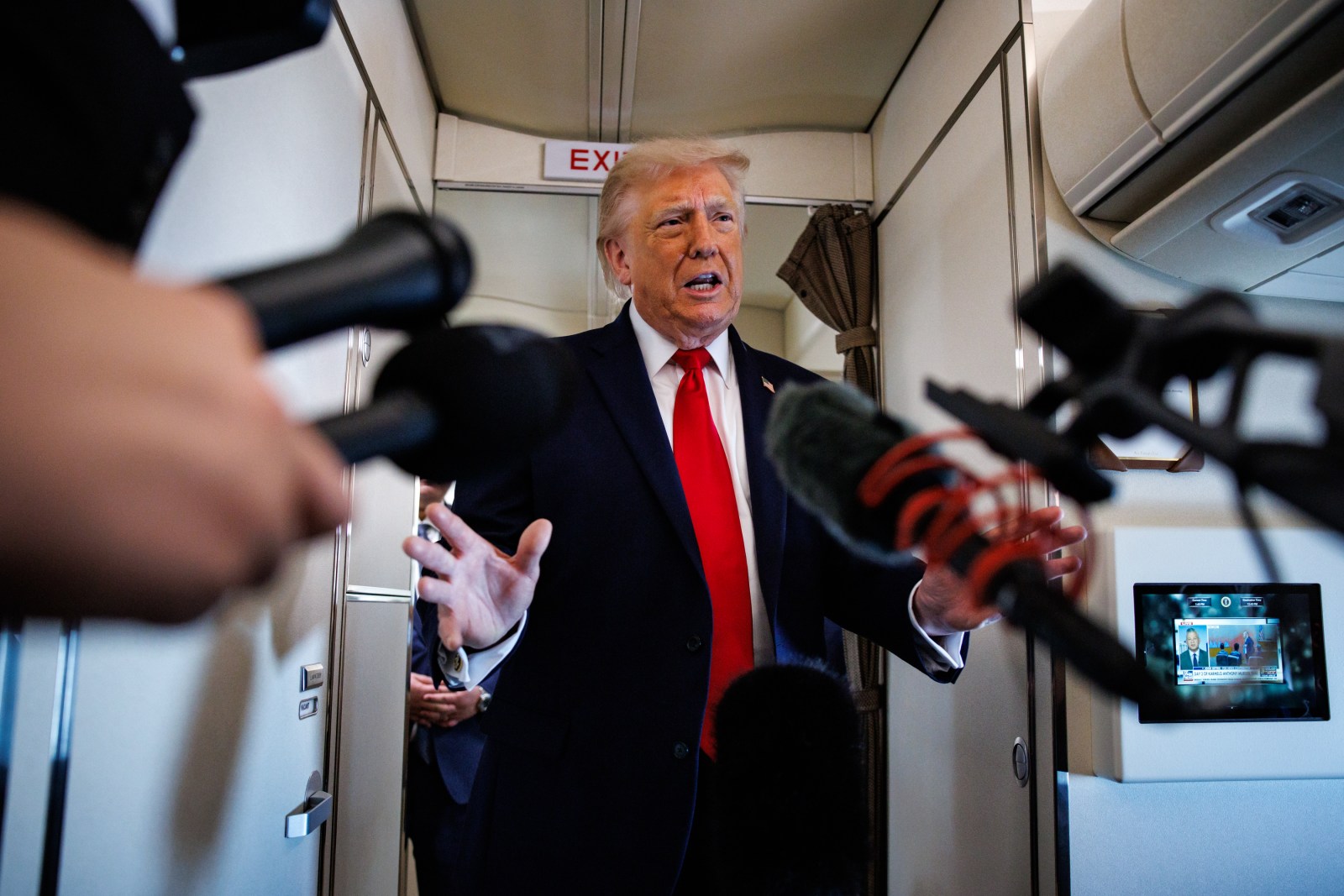
Trump frequently engages in confrontations with female reporters across various media outlets. His exchanges with CNN’s Kaitlan Collins are notable. Trump criticized her demeanor, accusing her of bias. He has called CNN “crooked” and accused Collins of never smiling. Such exchanges contribute to public debates about his treatment of female journalists.
Further incidents include Trump shushing a female ABC reporter on Air Force One, describing her as “obnoxious.” These interactions, often caught on camera, garner significant public attention and criticism.
White House spokespersons typically defend Trump by asserting his candid responses and transparency, criticizing the legacy media’s credibility. The administration claims openness and accountability in dealing with the press.
Dr. Amy Tatum, an expert in communication and media, notes the lack of significant backlash for Trump’s comments, suggesting a societal permissibility to such behavior. The International Women’s Media Foundation adds concerns about public attacks triggering further online abuse for women journalists.
Overall, Trump’s treatment of journalists, particularly women, sparks ongoing debate, reflecting broader societal issues concerning media interactions and gender dynamics.