
Federal Trade Commission Chairman Andrew Ferguson has spotlighted the Trump administration’s focused efforts on tackling fraud. This initiative has reportedly prevented tens of billions of dollars in fraudulent payments and resulted in hundreds of indictments. Ferguson pointed out that some states, particularly those with Democratic leadership, have hindered these efforts by denying data access, thereby allowing fraud to flourish.
Labor Department Inspector General Anthony D’Esposito highlighted alarming trends, noting that H-1B visa fraud is aiding international criminal organizations and human trafficking. This underscores the severe nature of fraud schemes affecting the U.S.
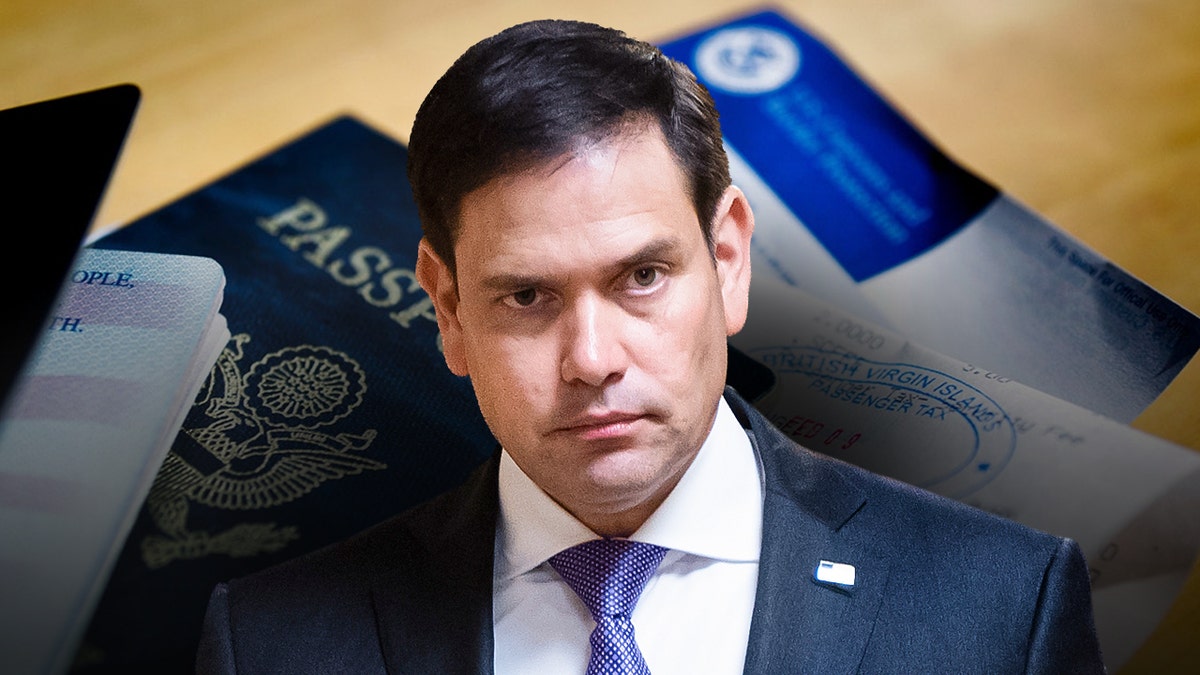
Adding to these efforts, Secretary of State Marco Rubio announced a new policy on Thursday. This policy enforces visa restrictions targeting foreign nationals involved in or complicit in cybercrime and cyber-enabled crimes, such as cyberscams and sextortion. Rubio emphasized that immediate family members of these individuals might also face visa restrictions.
In early 2024, President Donald Trump signed an executive order titled “Combatting Cybercrime, Fraud, and Predatory Schemes Against American Citizens.” This order directs federal agencies to put measures in place against these threats, particularly focusing on foreign scam centers and transnational criminal organizations.
Secretary Rubio stated that the Trump administration is actively countering the significant threat posed by online investment scams. He noted that in 2024, Chinese transnational criminal organizations alone have defrauded U.S. citizens of over $10 billion. These crimes contribute to corruption, money laundering, and human trafficking.
Rubio also mentioned that American children have been specifically targeted for sextortion scams by offenders operating overseas, which impacts families significantly. The administration, he noted, is using various tools such as sanctions, prosecutions, asset seizures, extradition requests, and international cooperation to dismantle these criminal networks.
By enforcing visa restrictions on those involved in these criminal enterprises, the U.S. is clearly signaling its commitment to protecting its citizens from international fraud and cybercrime.