
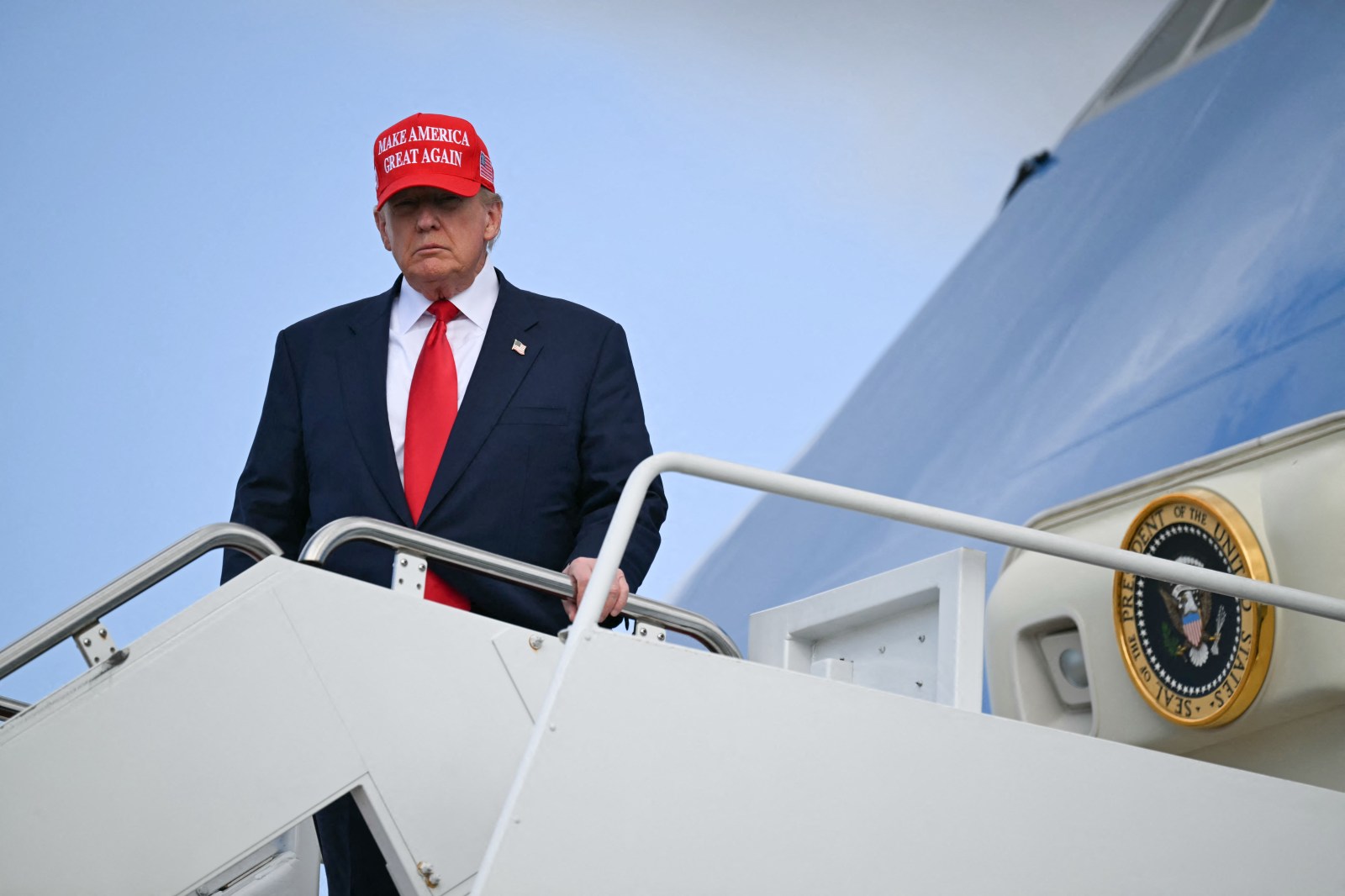
I’ve supported Donald Trump in three elections, believing in his potential to transform American politics for the long-term. However, his recent decision to appoint Bill Pulte, a housing official with no intelligence background, to lead the nation’s spy agencies raises questions about the future of Trump’s legacy.
Trump was not elected solely to win elections. He promised to create a lasting working-class, multiracial coalition that could reshape the Republican Party. This goal wasn’t beyond reach. Trump emerged as a significant figure for the Republican party, akin to Ronald Reagan. Reagan’s movement endured for a generation after him, redefining the party.
At present, Trump’s promise is under scrutiny. The administration is embroiled in battles that excite core supporters but do little to establish long-term stability. Initiatives like renaming the Kennedy Center, implementing a transgender service ban, and engaging in tariff disputes appeal to loyalists but neglect the broader electorate of 77 million who supported Trump without considering these matters existential crises.
These disputes often result in legal losses, leaving a trail of reversals. A federal judge recently overruled Trump’s attempt to rename the Kennedy Center, stating that only Congress has that power. Similarly, an appeals court blocked the military’s transgender ban for current service members, labeling the policy as both arbitrary and discriminatory.
Another challenge is self-inflicted damage. While ideas like Voter ID are popular, Trump misused the SAVE Act, undermining Senate support and using it as a partisan tool rather than focusing on strategic victories.
The issue extends to Trump’s endorsements. His backing of controversial figures, such as Ken Paxton, jeopardizes traditionally secure seats, making them targets for Democratic contenders.
Trump needs Senate votes for his agenda and appointments. Yet, by publicly alienating key senators like John Cornyn, he weakens his support base in negotiations. Without strategic alliances, a president risks turning potential allies into rivals.
The appointment of Bill Pulte, whose background lies in housing and finance, exemplifies Trump’s reliance on loyalty over expertise. Pulte’s position as a housing official doesn’t necessarily equip him to lead intelligence efforts.
The broader concern is that movements focused solely on one person, like MAGA, face challenges in sustaining relevance. Past movements, such as Pat Buchanan’s, struggled without strong successors.
Reagan’s legacy exemplifies a sustainable movement, built on values and optimism, not personal conflicts. In contrast, Trump’s approach prioritizes loyalty over strategic governance.
As the architect of a powerful coalition, Trump has proven his electoral success. The question remains whether he can govern to ensure a lasting impact. For those of us who saw potential in his leadership, a legacy marked by divisive conflicts and missed opportunities is not success.
To protect his legacy, Trump must identify successors who can carry forward his coalition’s ideals. Without this, his achievements risk becoming overshadowed by internal struggles and a failure to build beyond his tenure.
The views expressed in this article are those of Melik Abdul, a public affairs professional and Republican strategist based in D.C.