
Trump administration officials assert that Iran is making a mistake if it believes that rising prices and the upcoming midterm elections will weaken President Donald Trump’s position in negotiations. The administration maintains confidence that economic pressure will push Tehran toward making a deal, despite recent talks yielding no breakthrough.
Economic Pressure and Gas Prices
The American public is experiencing increased costs, with the national average for regular gasoline reaching $4.49 per gallon. This is a significant rise from $3.16 a year ago. According to AAA, instability in the Strait of Hormuz and elevated crude oil prices are contributing factors.
Secretary of State Marco Rubio acknowledged these costs but stressed the importance of preventing Iran from obtaining a nuclear weapon, which he argues would entail a greater expense.
Diplomatic Efforts and Military Considerations
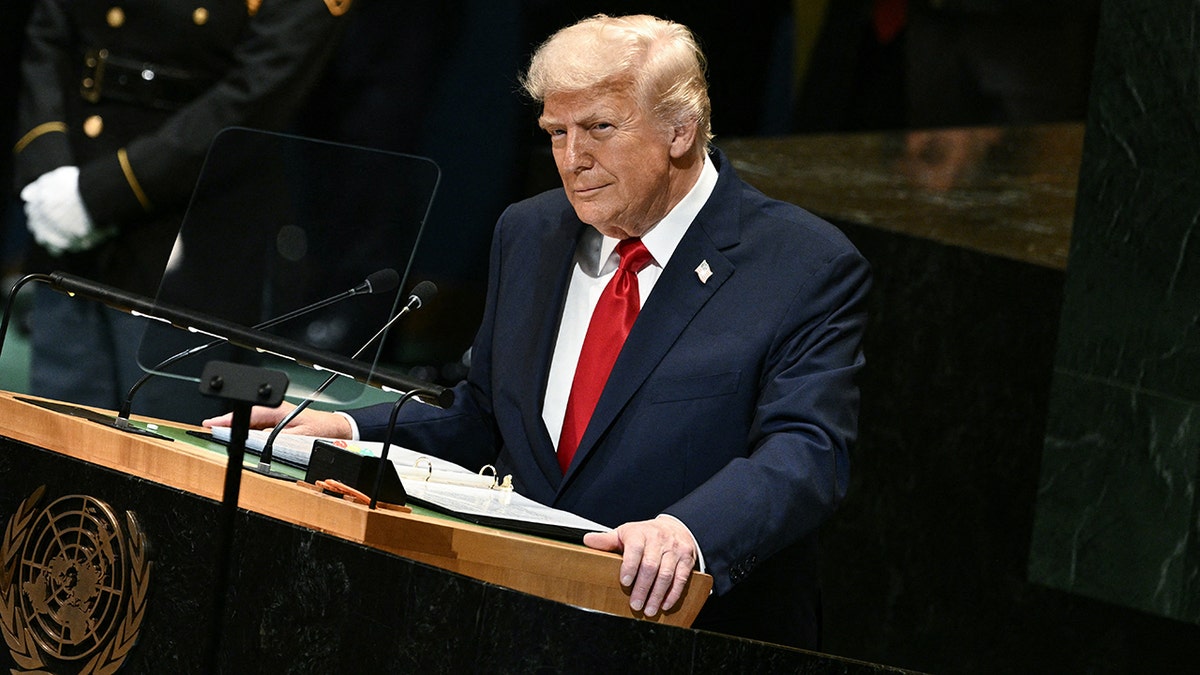
During his U.N. General Assembly address, Trump presented Iran with a stark choice of either reaching a deal or facing significant U.S. actions. He expressed belief that Iran is waiting to observe the outcomes of the midterm elections before making a decision.
Despite this belief, Trump insists that the elections do not influence his approach to Iran. A U.S. official noted that ongoing discussions through mediators have been positive but emphasized there is no urgency to reach an agreement.
The U.S. claims to hold a strong position with control over the Strait of Hormuz, through which a substantial oil flow continues.
Recent Developments and Proposals
U.S. discussions with Iranian officials have resulted in no immediate announcements. Iran has reportedly presented a seven-day proposal to U.S. mediators, involving conditions for reopening the Strait of Hormuz and pursuing broader negotiations.
The mediator noted that while discussions are in early stages, the situation in the Strait of Hormuz remains critical due to its importance for global oil traffic.
Economic and Strategic Considerations
The administration believes that oil flow through the Strait of Hormuz has increased due to U.S. actions, applying economic pressure on Tehran. This strategy is viewed as advantageous to the Trump administration.
Rubio criticized Iran’s perceived misunderstanding of U.S. politics, suggesting Iran expects a Democratic win in the elections to alter the situation in its favor.
Despite this belief, Rubio stated Congress’s influence on military actions and sanctions is limited compared to presidential powers.
Regional Conflicts and U.S. Commitments
Iran-backed Houthi rebels have targeted Saudi Arabia, affecting energy infrastructure and contributing to regional instability. Rubio emphasized that restoring a Saudi pipeline is vital for both the Saudi and global economy.
He reiterated the U.S.’s strategic defense commitments to Saudi Arabia, affirming ongoing support and defense obligations.