
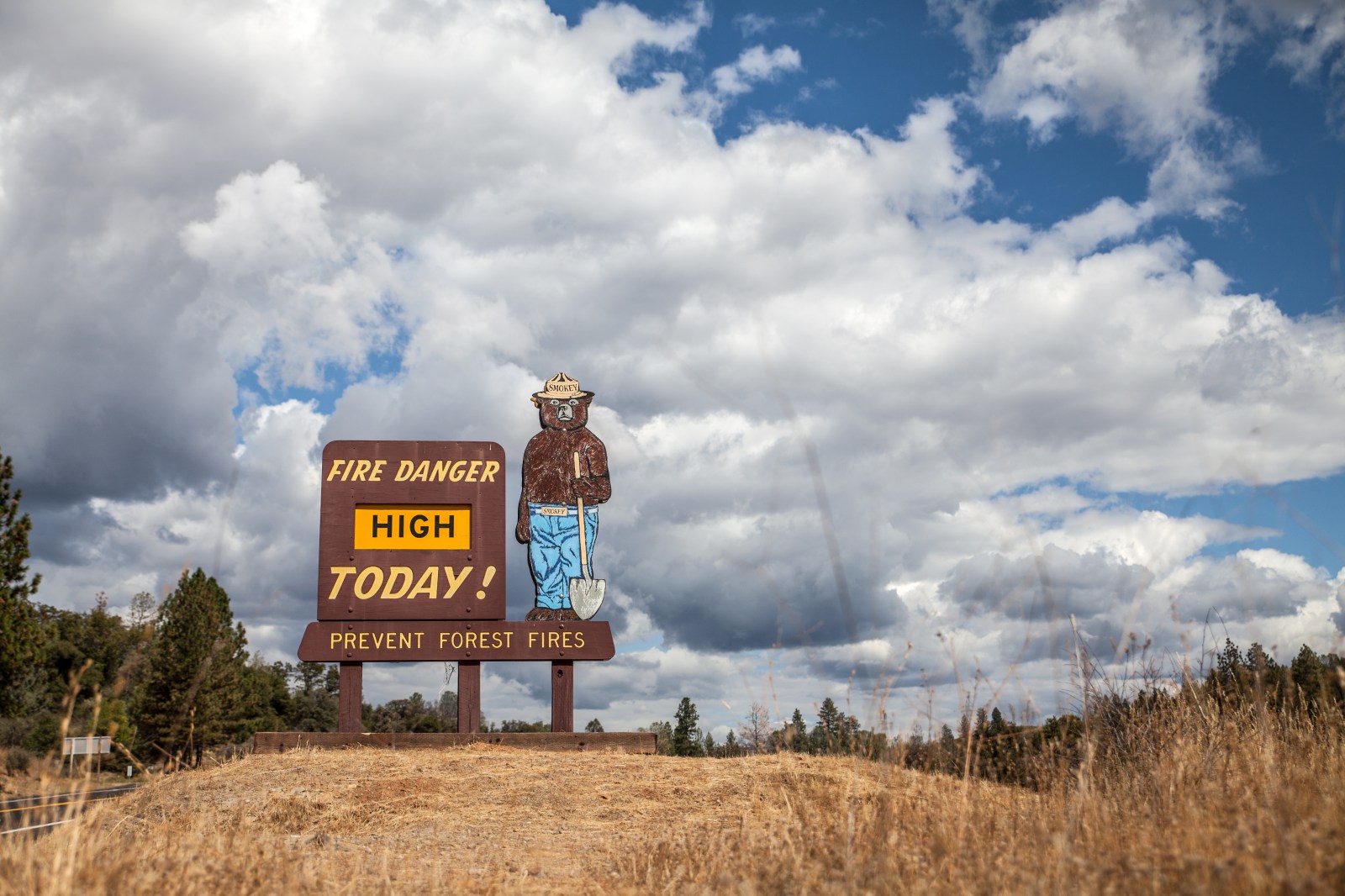
Smokey Bear, the well-known Forest Service mascot, has always promoted fire prevention with the advice, “Only you can prevent wildfires.” This message conflicts with President Donald Trump’s approach, which connects increased logging to forest fire prevention. Trump’s administration aims to shift national conservation to exploitation, evident in efforts to boost logging by 25%. This includes attempts to repeal the ‘roadless rule’ that now keeps logging out of 45 million acres of untouched forest.
Environmental regulations have been rescinded and replaced with rapid-development policies benefiting loggers and miners. The Public Lands Rule, treating conservation equally with commercial use, has also been revoked. The administration argues logging prevents forest fires, but this is questionable. A recent study supports Smokey Bear’s message that human negligence primarily causes wildfires.
The debate on Trump’s management of public land overlooks the legal perspective. The federal government controls millions of acres, with the Bureau of Land Management overseeing 245 million acres under diminishing protection. Among these are 52 million acres labeled “national parks,” which law demands remain “unimpaired for the enjoyment of future generations.” The Trump administration’s actions challenge this, including plans to privatize a portion of Yosemite and erect a border wall in Big Bend National Park.
A telling example of the administration’s approach is seen in the U.S. Virgin Islands National Park. This park, a result of conservationist Laurence Rockefeller’s 5,000-acre donation, was to be preserved. The Park Service intended to restore 67 acres of a storm-hit eco-resort, maintaining beach access and local business priorities. However, under Trump, the full 150-acre development plan was approved, disregarding these intentions.
The administration authorized development inconsistent with a National Park Service Environmental Assessment, which deemed the plan harmful. Federal law requires rational decision-making, and this decision contradicts prior assessments. Past presidents like Dwight D. Eisenhower and Ulysses S. Grant had a strong conservation legacy, echoed by Theodore Roosevelt’s significant contribution to national parks.
Smokey Bear, along with the less-known Johnny Horizon from the Bureau of Land Management, shared a clear message of respect for public lands. Thomas G. Moukawsher, a former judge and author, stresses this message. His works focus on government accountability and advocate for the respect and proper management of public lands in accordance with their intended purpose.
The opinions in this article belong solely to the author.