
The Trump administration has launched a nationwide effort to combat unemployment benefit fraud, starting in Massachusetts. This anti-fraud task force has highlighted a significant problem involving illegal immigrants allegedly stealing identities to claim benefits such as SNAP, disability, and Social Security. The initiative focuses on aggressively prosecuting those misusing these crucial programs.
Rising Problem of ‘Fraudfluencers’
The Department of Labor Inspector General has flagged an increase in a new type of scammer known as ‘fraudfluencers.’ These online influencers flaunt their ability to exploit government programs, aiding others in fraud and taking a cut from unlawfully obtained benefits.
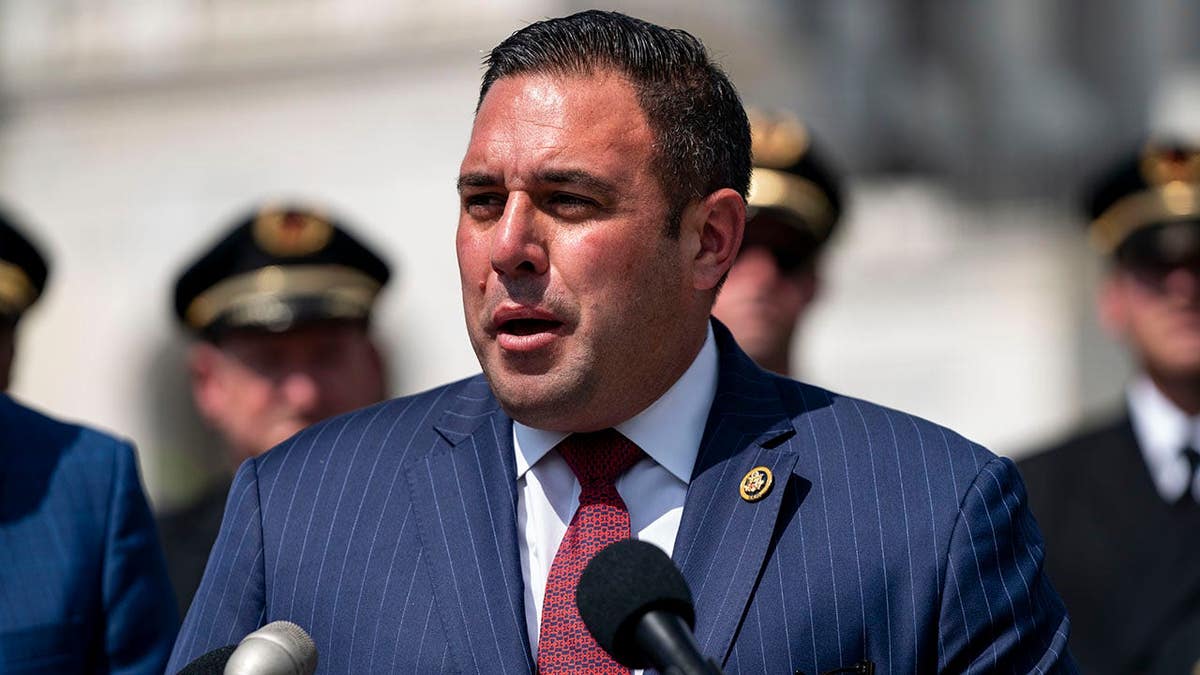
“Fraud is theft of taxpayer dollars,” stated DOL Inspector General Anthony P. D’Esposito. “It will be prosecuted.”
One notable example includes Britteny Egland, a California Employment Development Department employee, who used social media to promote fraudulent activities. She provided insider information to file false unemployment claims, amassing nearly 10,000 followers on Instagram and 1,500 on X, stealing $2.8 million in total.
Social Media and Fraud Promotion
Egland’s posts encouraged followers to engage in fraud, promising that no one would face jail time. Despite this, she eventually faced justice, pleading guilty in June 2025 to conspiracy to commit wire fraud. Her sentence included 60 months in federal prison, 36 months of supervised release, and restitution of the stolen $2.8 million.
D’Esposito emphasized the dangers of fraudsters glamorizing theft through social media, stating: “Stealing is being turned into entertainment while betraying communities.”
Widespread Social Media Exploitation
Egland’s case is not singular. In Atlanta, Jonathan Dupiton was sentenced to seven years in federal prison for using stolen identities to gain $3.8 million in benefits. Similarly, a Memphis rapper, Fontrell Antonio Baines, exploited pandemic assistance provisions, resulting in 77 months of imprisonment for his fraud involving $788,000.
D’Esposito noted: “Criminals now use social media to boast about theft, leaving a digital trail our investigators can track.”
D’Esposito and the White House Fraud Task Force remain committed to eliminating abuse of government funds and pursuing justice against those who exploit these programs.