
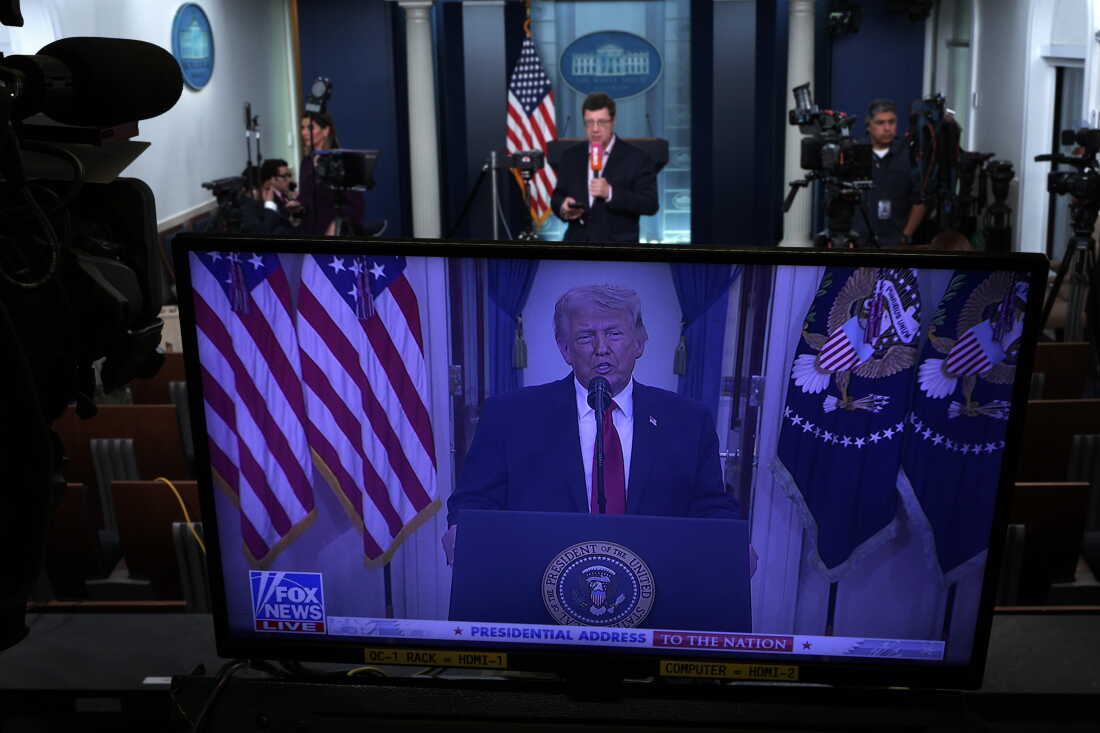
President Trump announced the launch of a 24/7 YouTube channel named ‘Trump TV,’ promising to highlight what the administration calls its ‘biggest moments.’ This development follows President Trump’s recent decision to exclude three major news outlets from the White House: CNN, MS NOW, and Politico, labeling them as ‘Fake News.’ The exclusion has prompted these media organizations to file a federal lawsuit against the administration. They argue that the government is infringing on their First Amendment rights by restricting access to news coverage of the White House.
The media landscape is responding sharply. Press-freedom advocates and Democratic lawmakers have criticized this new initiative, calling it ‘state-run media.’ Arizona Sen. Mark Kelly and California Gov. Gavin Newsom have condemned the move on social media, with Newsom describing it as ‘autocratic behavior.’
Media experts express concerns about potential impacts on the public’s access to unbiased information. Jane Kirtley, a professor of media ethics and law, noted that this state-controlled media source could limit public access to information that has been independently vetted.
The Trump administration’s actions reflect an ongoing effort to control the media narrative surrounding the presidency. Stephen Farnsworth, a political science professor, explained that President Trump seeks to tell his own story, effectively shaping the narrative in his favor. Farnsworth emphasized, however, that ‘Trump TV’ might only appeal to Trump’s established supporter base.
In a show of unity, several media outlets, including Fox News Media, ABC News, CBS News, NBC News, and CNN, issued a joint statement opposing the White House ban, asserting the public’s essential right to access accurate government information. Many in the shared media coverage community, including NPR, have decided to suspend participation in White House event coverage until further notice.
Overall, the launch of ‘Trump TV’ and the barring of select media outlets highlights a broader conflict between the administration and traditional media entities focused on maintaining editorial independence.