
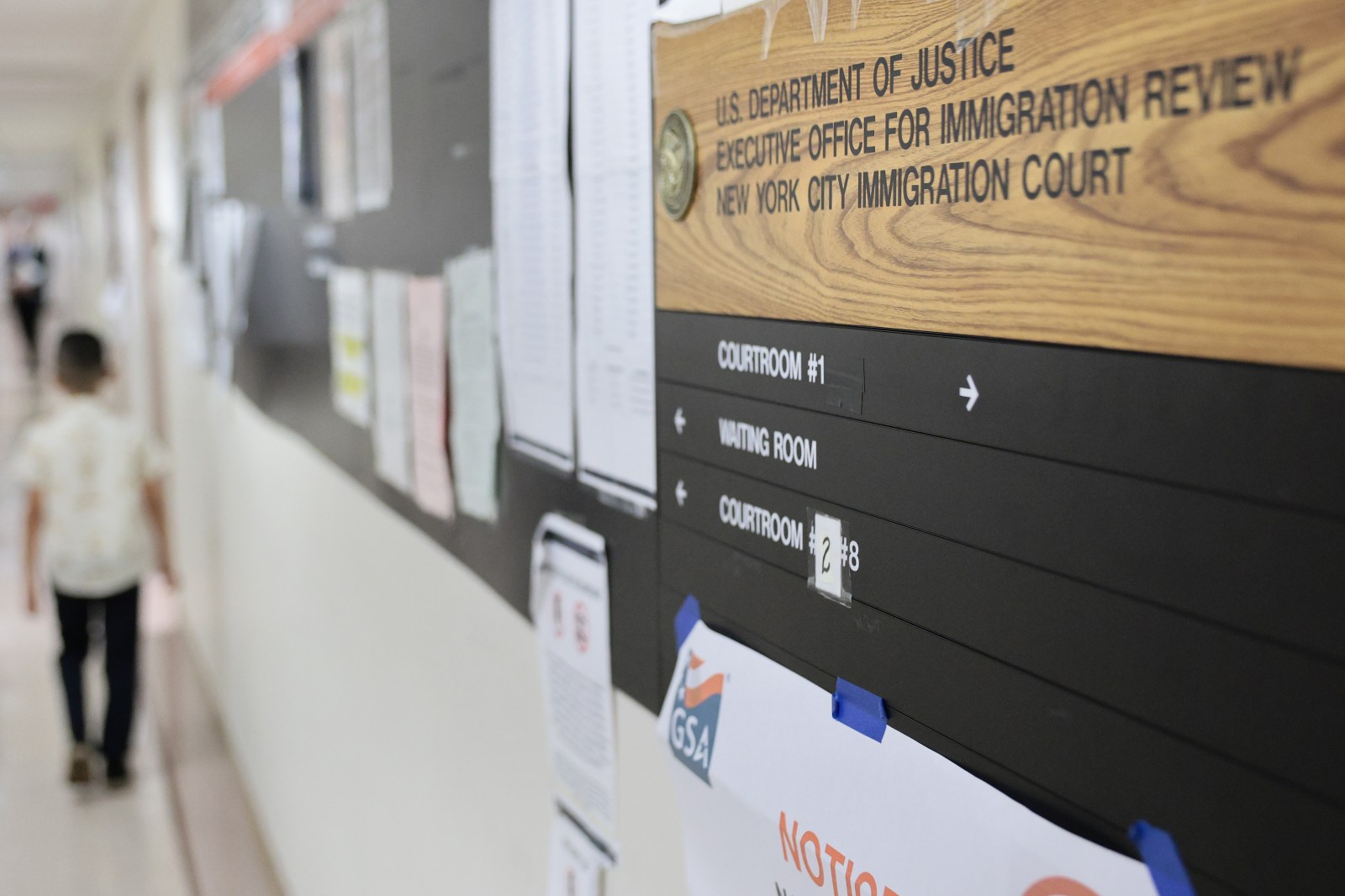
Immigrants facing deportation will now have only 10 days to appeal many immigration court decisions, as per a rule introduced by the Trump administration. This rule, aimed at expediting a heavily burdened system, was previously blocked by a federal judge. However, it is set to be published in the Federal Register by the Department of Justice (DOJ), reducing the usual appeal period from 30 days to 10 days.
Efforts to Address System Backlog
The DOJ initially attempted this change in February but faced legal challenges, leading to a partial block by a judge. Following a comment period, the policy is reintroduced as a final rule. Jill Family, a law professor, criticized the move, stating that it undermines due process without solving the backlog. Rather than eliminating services, she advocates for more resources and procedural improvements.
The rise in immigration court hearings under the Trump administration is partly due to increased detentions by U.S. Immigration and Customs Enforcement (ICE). A growing backlog is also linked to the replacement of longtime immigration judges. The DOJ and Amica Center for Immigrant Rights, which originally challenged the rule, have been contacted for comments.
Changes in the Appeal Process
The Board of Immigration Appeals (BIA) tackles numerous appeals from removal decisions. Under the new rule, the appeal window reduces from 30 to 10 days, with appellants required to specify their appeal points in a Notice of Appeal. Some asylum cases will retain the 30-day period.
The introduction of these changes expands summary dismissal, meaning an immigration judge’s removal order becomes final unless the BIA agrees to review the case. The DOJ attributes the changes to an unprecedented backlog, with pending BIA cases ballooning from 35,837 in Fiscal Year 2017 to 325,774 in 2026.
Legal Challenges and Concerns
The 10-day deadline faced legal opposition in February, sparking a lawsuit in the U.S. District Court for the District of Columbia. Plaintiffs contended the deadline limits meaningful BIA reviews. Judge Randolph D. Moss ruled that the DOJ bypassed procedural requirements, not declaring a constitutional 30-day entitlement.
The restored 10-day window reignites debates over due process for immigrants. The DOJ argues that while due process is a right, the Constitution does not guarantee administrative appeals. Conditions on appeal usage raise questions about fair access to legal processes.
Critics argue the new deadline disproportionately affects detainees, unrepresented individuals, and non-English speakers. Emilie Raber of the Amica Center for Immigrant Rights emphasized the potential negative impact on those involved in immigration proceedings.
In a past case, Gonzales-Julio v. INS, the 9th Circuit Court questioned the constitutionality of a 10-day deadline, highlighting geographic barriers. The DOJ, however, claims electronic filing circumvents this issue.
Future Implications
The DOJ’s rule is scheduled for publication on November 17, taking effect 30 days later for new cases. Existing cases remain unaffected by the deadline change. Legal challenges are anticipated, focusing on due process and legal accessibility.
While the BIA represents the final tier in immigration tribunals, dismissed cases can progress to federal courts for further review.