
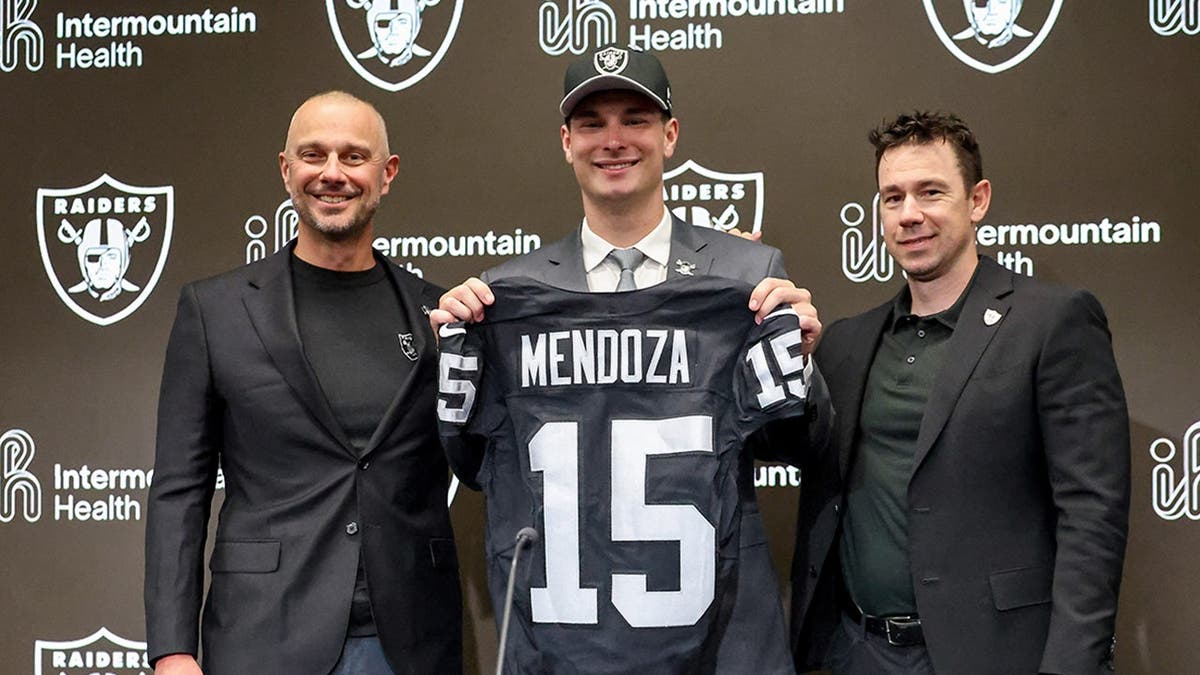
The NFL has been a part of my life for 36 years, yet only now, with Fernando Mendoza as a starting quarterback, does the league actively embrace Spanish. As someone born in Cuba, Spanish is my first language. However, my professional life in the United States has always been conducted in English, as it is in many NFL locker rooms.
Mendoza, being of Cuban descent, prompted the NFL’s recent attempts to connect with the Hispanic community. During a recent Las Vegas Raiders game, players and coaches interacted with Mendoza in Spanish. This gesture was highlighted by the NFL as a move toward global branding. A microphone even caught a teammate advising Mendoza to ‘respira,’ Spanish for breathe.
This orchestrated display raises questions. Mendoza is American. Like many young Hispanics in the U.S., he naturally speaks English more proficiently than Spanish. The NFL’s focus on his heritage feels contrived, especially when other ethnic backgrounds receive no similar attention.
The Spanish language connections made on the field lacked authenticity. They consisted of sporadic words. At times, coaches used phrases not even common in Cuban Spanish, like ‘Tu eres chingon,’ which is Mexican slang for ‘You are awesome.’ Differences in regional Spanish mirror dialectical variations within English-speaking countries.
These efforts only highlight a lack of understanding within the league about the Hispanic community. Real respect for a player’s background involves more than token gestures. Tom Flores, the NFL’s first Hispanic head coach and a former Raiders quarterback, never experienced such forced actions.
The NFL’s actions towards Mendoza may seem well-meaning, but they stand in contrast to the league’s history. Flores, who coached the Raiders to two Super Bowls, managed without Spanish tokenism. The past shows that respect and recognition should be genuine.