
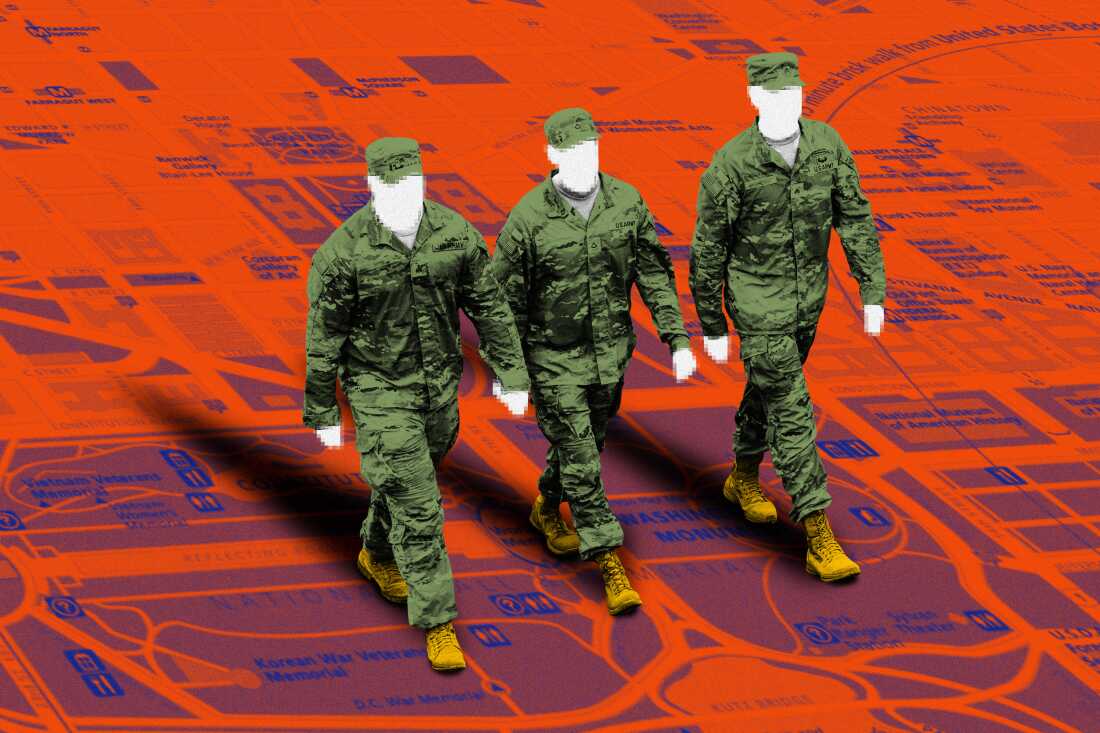
National Guard members have patrolled Washington, D.C. for over a year, marking the largest domestic military task under President Trump. This prolonged deployment has become a controversial topic, raising concerns about the use of armed forces in the city.
Guard Members’ Silence
The voices of the Guard members have been largely absent in the public discussion. They are not allowed to speak to the press without clearance. However, some who are no longer part of the mission have shared their thoughts with NPR.
“I don’t want to think about the National Guard due to the abuses in this mission.” -Anonymous Guard Member
Guard members have expressed discomfort with their roles, feeling embarrassed by their involvement despite having served loyally for over a decade. They worry about the impact on the Guard’s public image.
Deployment Purpose and Impact
The deployment, initially to assist with law enforcement, remains in place despite doubts about its necessity. A crime emergency was declared, though violent crime was at a 30-year low. Some see this as a political maneuver.
The Guard’s role in maintaining presence rather than handling crime affects their image negatively. Some members equate their patrols to military tactics used overseas. This lingering deployment raises questions about its effectiveness and cost.
Financial Implications
The deployment costs an estimated $3 million daily, with extensions expected to incur over $1.4 billion more. Perks like comfortable lodging and financial benefits attract volunteers despite underlying dissatisfaction. This comfortable deployment is atypical compared to the usual challenging conditions in domestic missions.
Human Cost
There have been fatalities, such as the case of a 20-year-old Specialist who was shot near the White House, revealing the real dangers and prompting questions about the deployment’s necessity.
Local Sentiment and Reputational Damage
The extended presence has sparked anti-Guard sentiment. D.C. residents express discontent through protests and direct encounters. Guard members notice a shift from being welcomed during disaster deployments to facing hostility.
Concerns rise about redefining the Guard’s image from a noble institution to one perceived negatively. Members hope for balancing forces to prevent this outcome.