
Tribes have negotiated a significant settlement to address the largest outstanding claim on the Colorado River. This agreement aims to provide billions for water infrastructure, yet faces resistance from Upper Basin states. These states, including Colorado, New Mexico, Utah, and Wyoming, oppose the deal because it permits the Navajo and Hopi to lease water beyond their reservations.
Background
More than a century ago, the Supreme Court promised tribes water rights, but many still battle for access. A solution is key for tribes in northern Arizona, where a significant number of homes lack running water. Three major tribes — the Navajo Nation, Hopi Tribe, and San Juan Southern Paiute Tribe — have been working toward securing water rights.
The Blockade
The Upper Basin states block the realization of this settlement in Congress. Concerns persist about states’ rights and interests in Colorado River water. Negotiations have stalled between Upper and Lower Basin states, affecting nearly 40 million people reliant on the river’s water. Thus, federal approval remains pending until all parties agree.
Personal Impact
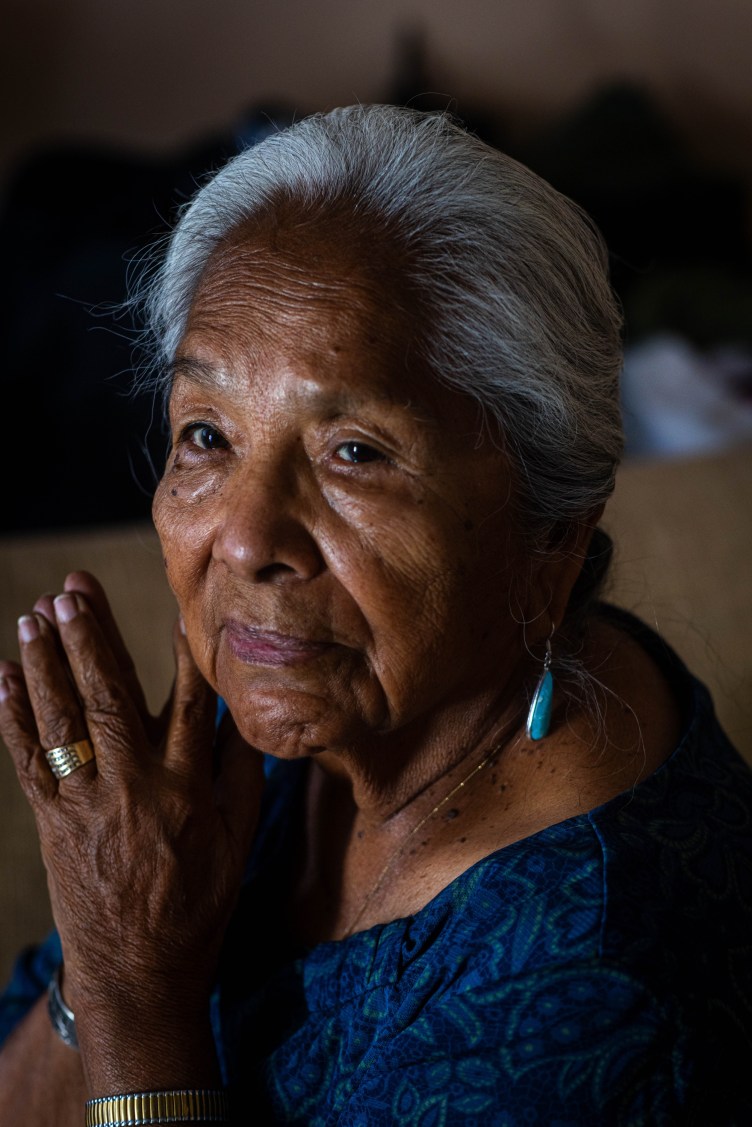
Marilyn Tewa, 83, lives without running water and represents a personal story amid this stalemate. Serving on the Hopi Tribal Council, she hauls water in 5-gallon buckets from a livestock windmill. Tewa emphasizes the settlement’s critical nature, stating, “That’s my prayer, that we get this settlement through for all three tribes.”
The Proposed Legislation
If passed, the Northeastern Arizona Indian Water Rights Settlement Act would resolve the largest outstanding claim on the Colorado River. It proposes federal funding of $5 billion to build essential infrastructure like pipes and treatment plants. Furthermore, it aims to establish a reservation for the San Juan Southern Paiute Tribe.
To meet expectations beyond federal funding, the Navajo and Hopi plan to lease some water rights to towns growing around Phoenix. This aspect, in particular, faces scrutiny from the Upper Basin states, who worry it might establish a precedent for water leasing.
Legal and Cultural Dimensions
Upper Basin states argue the settlement’s leasing provisions might compromise river management laws. Heather Tanana, a legal expert, critiques this stance, viewing it as resistant to acknowledging tribal water needs. According to Tanana, “It’s a fundamental human rights issue.”
The tribes argue that access will enable them to develop housing, economies, and cultural activities. The Hopi, for example, believe their ancestors return as clouds to bring rain. The region suffers from drought, with overreliance on groundwater drying up long-used springs.
Historical Context
Tribes historically received the short end in water negotiations. Although their rights are senior, meaning others face cuts first during shortages, little incentive exists to enforce these rights. Meanwhile, the tribes currently use far less water than entitled, allowing farmers and businesses to benefit freely.
Ethel Branch, a former Navajo attorney general, notes, “Everybody’s getting free Navajo, Hopi, and San Juan Southern Paiute water right now.” The courts once ruled, in 1908, that the government owed tribes water for agrarian purposes, yet securing these Winters rights remains difficult.
Political Landscape
Combining all three tribes’ claims to achieve resolution presents challenges, particularly amidst tribal tensions. The Navajo and Hopi reached consensus and the state of Arizona softened its stance, facilitating congressional negotiations. Despite this, financial and political crises continue to limit progress.
Partisanship has significantly affected the legislative process for Indian water settlements. Pam Williams, with two decades in the Department of the Interior, explains, “Partisanship has gone to a new low in this country, and Indian water settlements have gotten swept up into that.”
Future Implications
The Upper Basin’s unresolved concerns have prompted ongoing challenges. Navajo President Buu Nygren asserts that their reservation’s geography should not penalize their negotiations. The tribes negotiate the settlement’s leasing aspects to fund necessary infrastructure and relieve water burdens across their territories.
The tribes provided water resources for major projects, like the Central Arizona Project, establishing their role in the basin’s water economy. However, now, as they face their resource constraints, efforts remain complex amidst legal and political dynamics.
For community leaders and tribal representatives, the battle for water rights continues. As Crystalyne Curley, a Navajo Nation Council member, states, it’s about “basically turning on the faucet and getting water to boil eggs for your children.” Her sentiments reflect the vital need to resolve these issues for better community and cultural futures.