
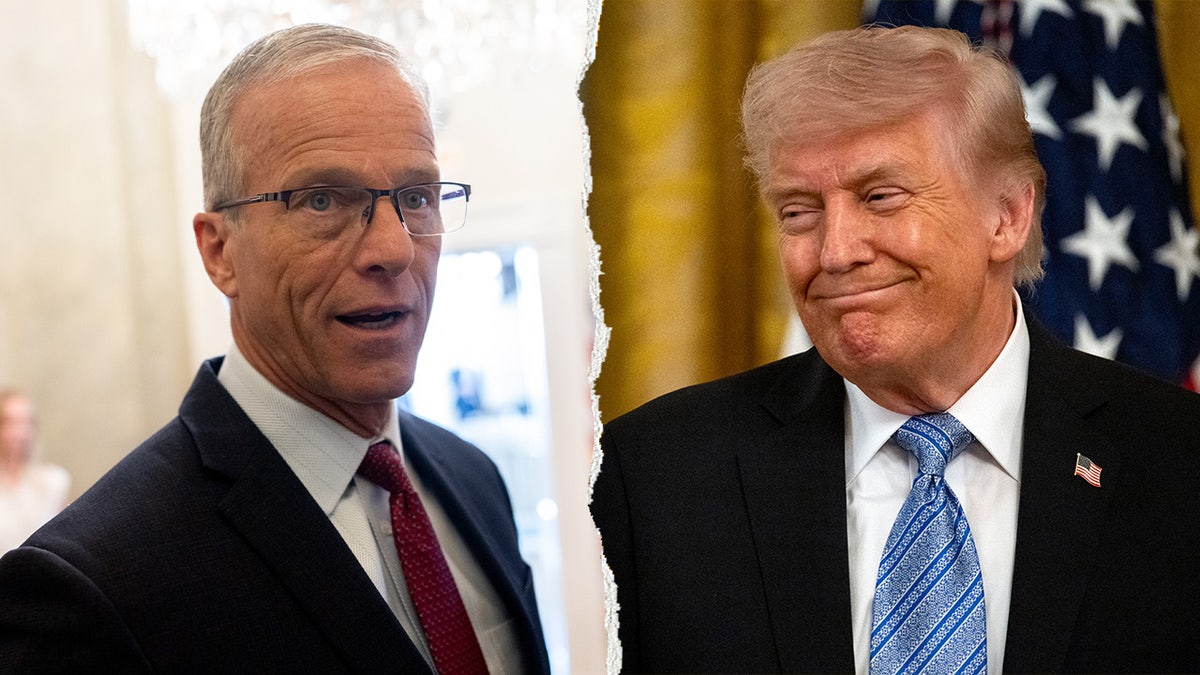
Reports claiming a strained relationship between President Donald Trump and Senate Majority Leader John Thune have been greatly exaggerated, according to Thune. Speaking to Fox News Digital, the South Dakota Republican clarified that he and Trump have maintained regular communication.
Frequent Communication
“I’ve heard from him twice this morning already,” Thune mentioned. He also highlighted a recent call over the weekend, dispelling any notions of silence between them. Despite Trump’s recent comments casting doubt on Thune’s leadership, the two continue to engage in productive dialogue.
Tensions Over the SAVE America Act
The friction largely stems from the stalled progress of the SAVE America Act in the Senate. Thune explained that Trump is eager to see the election integrity package passed. “We both want to get to the same place,” Thune stated, acknowledging occasional disagreements on tactics.
Thune emphasized the procedural challenges in the Senate. “Most of mine are constrained by what’s achievable in an institution like the Senate,” he said. Nevertheless, he remains focused on maintaining strong relations with Trump.
A Difficult Road Ahead
The demand for passing the SAVE America Act is significant among Trump, Senate Republicans, and their supporters. Thune recognizes the pressure, especially as the Senate attempts to address other critical issues, such as preventing a government shutdown and confirming nominations.
“There are good days and bad days,” Thune confessed. He pointed out the consistent Democratic opposition as a significant hurdle. Despite being an original co-sponsor of the precursor SAVE Act, Thune sees challenges in pushing the bill without bipartisan support.
Challenges in the Senate
Thune’s role involves understanding the realities of legislative processes in the Senate. “I keep asking the question, am I the only one in this town that can count to 50?” he remarked, referring to challenges in garnering enough votes to bypass the filibuster.
He elaborated on the complexity of legislation in the Senate, which differs from the House. The need for bipartisan consensus is critical, as the Senate’s design prevents unilateral decision-making.
A Balancing Act
Thune’s approach involves listening and reaching consensus for delivering tangible outcomes. “This place was supposed to be difficult,” he acknowledged, reflecting on the Senate’s role in democracy. He admitted the process can be frustrating for those eager to achieve results.