
The Football Association (FA) had high hopes when appointing Thomas Tuchel as the coach of the England football team in October 2024. Their aim was clear: to win the World Cup final scheduled for this weekend. The FA initially targeted Pep Guardiola, but after renewing his contract with Manchester City, they turned to Tuchel, a Champions League winner.
However, England will not be playing in the World Cup final at MetLife Stadium in New Jersey. Instead, they are set for a third-place play-off against France in Miami. This repeats the scenario from Gareth Southgate’s tenure, where England also had to settle for a play-off for third place eight years ago.
The FA’s choice of Tuchel was driven by the ambition to secure a World Cup victory, a feat not achieved in 60 years. There was belief within the team, with even talks of commemorative tattoos should England triumph. However, following a disappointing semi-final exit against Argentina, frustration abounds.
Tuchel’s primary mission was to win the 2026 World Cup. His approach was to forge a ‘Team England’, emphasizing unity and a higher purpose over individual prowess. The idea was to create a ‘brotherhood’, where players were committed to each other and the end goal. Winger Anthony Gordon talked about ‘killing our egos’ for collective success.
Building the team also meant making tough calls. After a path-breaking performance against Serbia, Tuchel chose to prioritize team cohesion over star names, often leaving celebrated players like Jude Bellingham out of the squad. He consistently emphasized team-building over merely collecting talent.
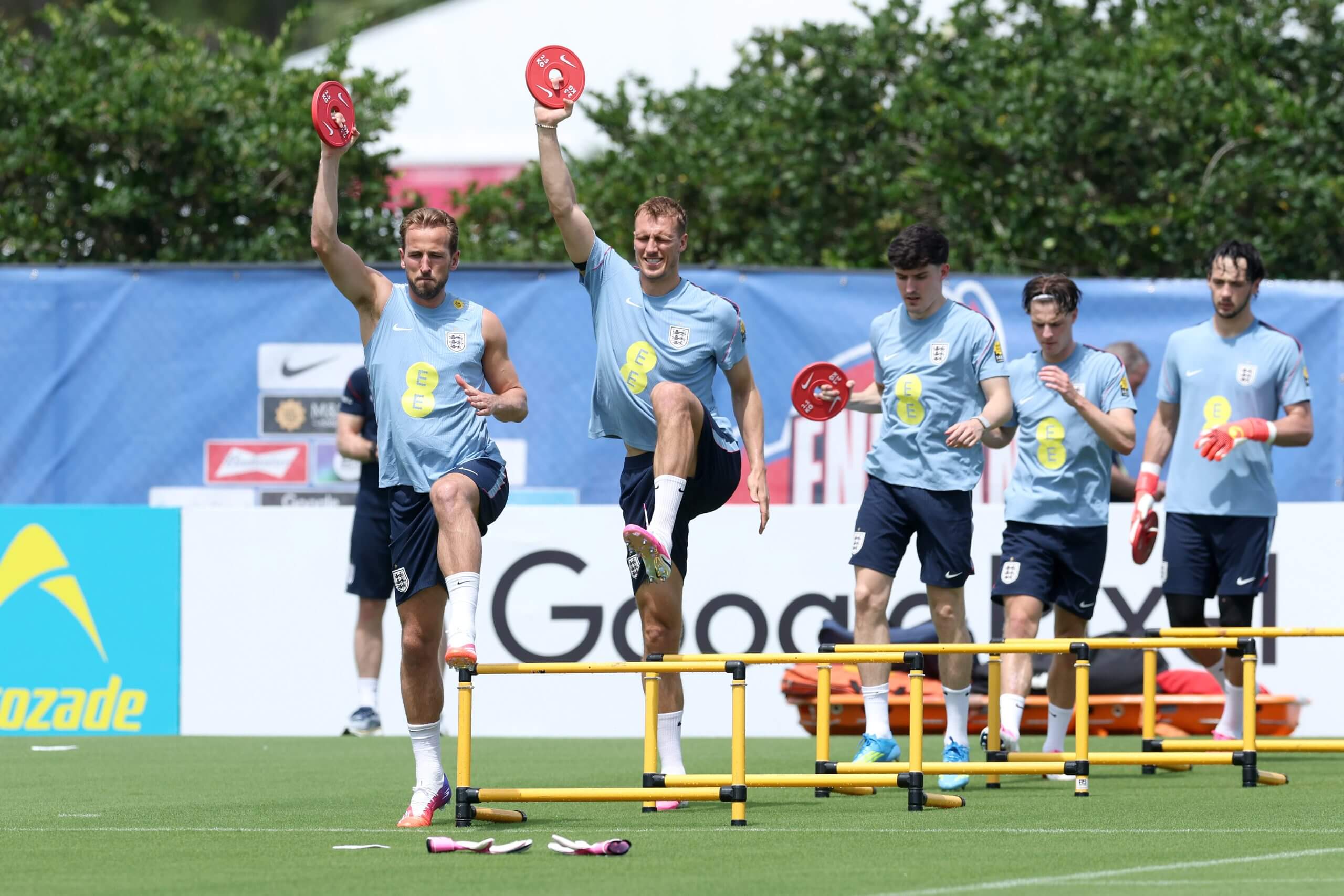
During the World Cup, England trained in Miami and Kansas City, adapting to conditions at their chosen base camp, Kansas City, which balanced preparation for heat with convenience. This location also allowed them to make the hotel feel like home with features like a dartboard, basketball court, and more, adding to the squad’s morale.
“One of the most disgraceful halves of English football history.” – Duncan Alexander
Despite a united squad, issues still arose. Some players, notably Kobbie Mainoo, felt marginalized. He, like others, was picked for his commitment, yet spent the tournament without playing time, leading to his evident disappointment as matches passed.
Harry Kane, England’s captain and all-time top scorer, worked hard to entertain and motivate the team. Despite starting strong at the World Cup with crucial goals, he struggled to maintain impact in later games, especially during their key clash with Argentina.
Jude Bellingham was pivotal during the tournament. Despite Tuchel’s strict early decisions regarding him, Bellingham excelled, driven partly by his bond with Jordan Henderson. His performances against Croatia and DR Congo highlighted his value, making him indispensable through the knockout stages.
Tuchel’s reliance on strategy and tactical adaptability faltered against Argentina. Critics questioned his decision to retreat into defensive gameplay against such a formidable team. Captain Harry Kane and Marc Guehi expressed their regrets post-match, acknowledging the missed opportunities to push offensively.
Despite England’s failure, Tuchel’s job remains secure. His contract included conditions for departure had England exited before the quarter-finals, yet a semi-final reach ensures his continuation. England now looks forward to Euro 2028 on home soil, with hopes of a strong campaign.
The FA conducts reviews post-tournament, which CEO Mark Bullingham described pre-Croatia match. He emphasized that the process looks beyond tournament results alone. Yet the semi-final collapse brings frustration from fans who had embraced Tuchel’s entry as coach, now cooling slightly.
As England gears up for the Nations League in September, reactions to Tuchel’s leadership will be revealing. The challenge will be sustaining the previously experienced popularity despite the recent disappointment in the World Cup journey.