
This article revisits the little-known but tragic narrative of the Cap Arcona, a German luxury liner turned floating concentration camp during World War II. The ship’s story highlights a lesser-discussed aspect of the Holocaust’s brutal history.
The Cap Arcona’s Illustrious Past
Known as the “Queen of the Atlantic,” the Cap Arcona launched in 1927 and was renowned for its luxury. It offered amenities like a swimming pool, tennis court, and exquisite dining, serving affluent passengers traveling between Europe and South America.
The Wartime Transformation
The Nazi regime commandeered the ship as Germany geared up for war. It turned into a floating barracks by 1939. Ironically, before this, it carried some Jewish passengers fleeing to South America. However, most Jews could not escape the horrors that unfolded.
Horrors of Lübeck Bay
By 1945, as Allied forces converged, the Cap Arcona, rusted and overburdened, sat in Lübeck Bay. It housed over 4,000 prisoners, crammed into spaces meant for 1,500. Conditions were deplorable, with prisoners suffering from starvation and neglect, and many feared imminent death.
Disaster Strikes
On May 3, 1945, British Typhoon fighters, unaware of the ship’s human cargo, launched an attack. They mistakenly believed Nazis were utilizing ships to escape. The bombing killed thousands, including concentration camp survivors.
Lasting Impact
This disaster remains one of Britain’s Royal Air Force’s most significant cases of friendly fire. Despite knowledge in some military quarters about concentration camp victims on board, the information didn’t reach pilots in time.
Memories and Memorials
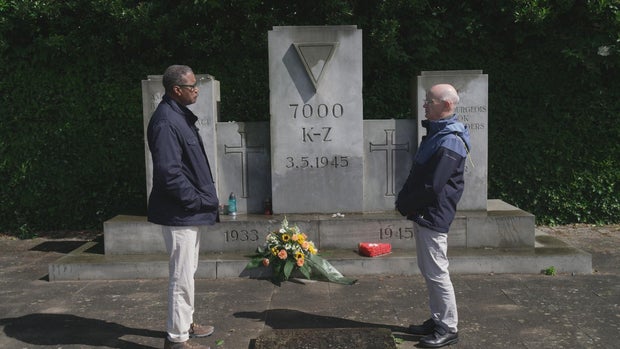
Survivor stories have documented the horror, serving as testimonies to this tragedy. The Cap Arcona’s story, previously submerged in history, now finds acknowledgment during annual ceremonies in Lübeck Bay. Here, families of the victims remember and honor those who suffered.
The Survivors’ Legacy
Individuals like George Schwab, who survived thanks to timely assistance, went on to lead significant careers, contributing to society in lasting ways. Manfred Goldberg, another survivor, devoted his life to educating others about the Holocaust and the importance of remembrance.
Continuing the Remembrance
Although the Cap Arcona was dismantled, its history is now etched into the collective memory of the Baltic Coast. On anniversaries of the attack, people gather to remember and educate future generations about these dark times, ensuring that the lessons of history are not forgotten.