
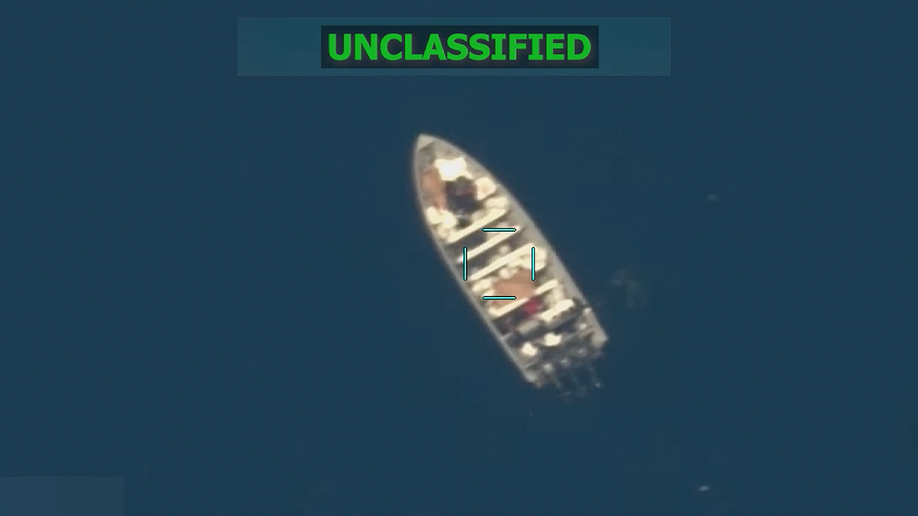
The U.S. military executed a lethal strike against a suspected drug-smuggling vessel in the Eastern Pacific on September 9, resulting in the deaths of three alleged “narco-terrorists,” stated the Department of War. The operation was conducted by Joint Task Force Western Hemisphere under the directive of U.S. Southern Command (SOUTHCOM), following intelligence connecting the vessel to illicit drug activities.
According to the department, the intelligence confirmed the vessel’s involvement in drug trafficking. The U.S. has escalated its efforts to disrupt cartel operations, especially those trafficking drugs along routes off the coast of Latin America. This strike follows the release of unclassified images by the Pentagon showing suspected drug boats on the open water, captured in late 2025. These images provided insight into the military’s surveillance of suspected smugglers as the Trump administration intensifies its campaign against cartel networks.
“Nearly one year after the first strike, the message to narco-terrorists remains unchanged: if you traffic deadly illicit narcotics and threaten the American people, we will hunt you down, we will find you, and we will kill you,” Pentagon press secretary Kingsley Wilson warned.
Operation Southern Spear has conducted 67 strikes by late August, disrupting trafficking networks, forcing smugglers to change tactics, and eliminating dangerous narcoterrorists, according to Wilson. These operations highlight the United States’ commitment to defending its homeland and communities.
One significant action took place on August 25, where four suspected smugglers were killed on a fast boat operating along Caribbean trafficking routes. SOUTHCOM reported that confirmed intelligence indicated the vessel’s involvement in drug smuggling. The operation was led by Joint Task Force Western Hemisphere under Gen. Francis L. Donovan, who reaffirmed the mission’s commitment to dismantling drug operations.
Donovan commented, “Joint Task Force Western Hemisphere continues executing precise, lethal operations against the cartels. We will hunt, disrupt, and defeat these narco-terrorist networks.” He further emphasized SOUTHCOM’s dedication to neutralizing cartel threat and violence in the region, extending into the U.S. homeland.
The Trump administration classifies the anti-cartel fight as an “armed conflict,” seeing it as essential to stopping drugs from damaging American communities. Efforts are ongoing to secure agreements with allied nations for collaborative operations on land in Latin America, with current engagements including Colombia, Panama, and Ecuador.
During an August visit to Panama, War Secretary Pete Hegseth shared that while Colombia and Honduras had consented to joint operations, Guatemala denied reaching such an agreement. Ecuador began similar missions with the U.S. earlier in March.