
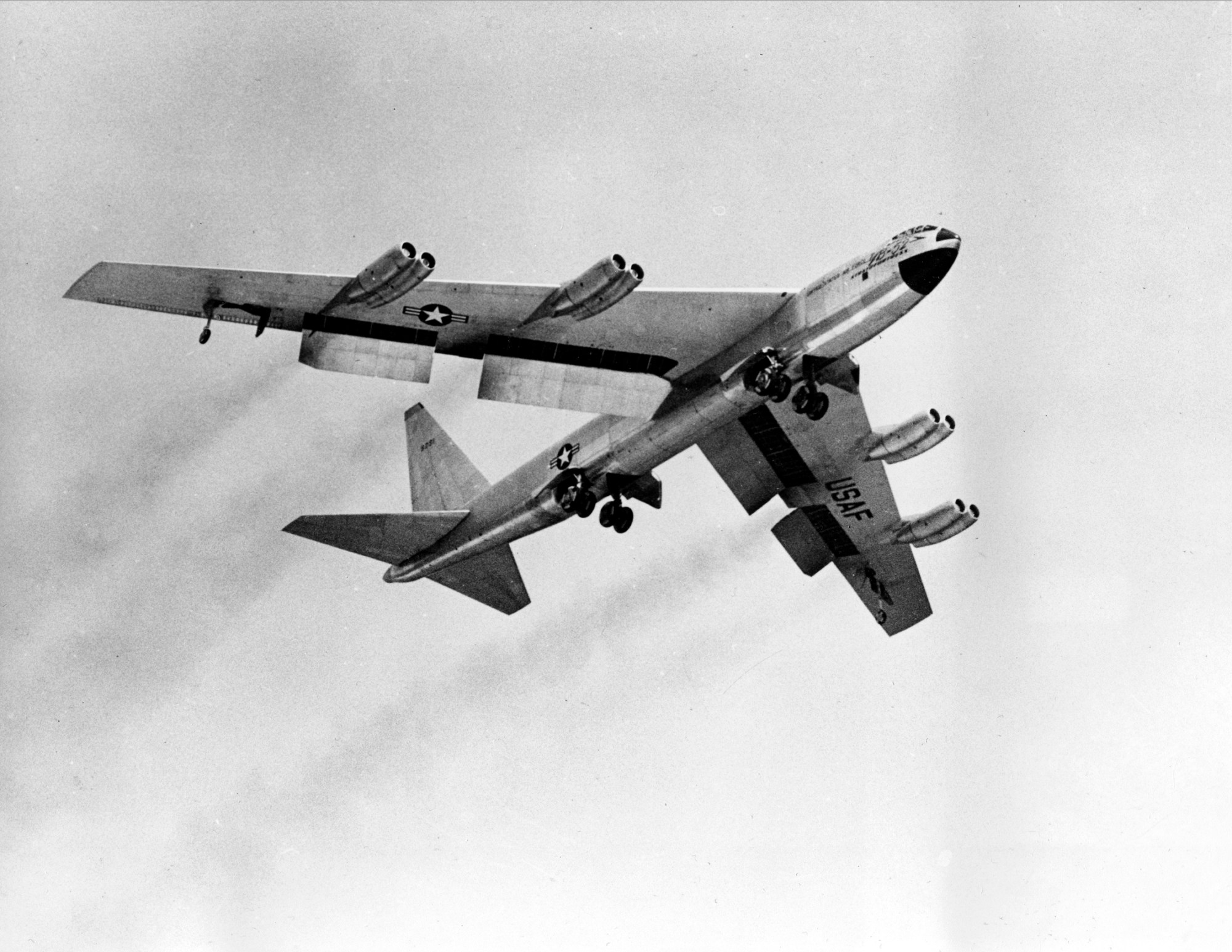
The U.S. Air Force’s B-52 Stratofortress showcases the enduring significance of older military technology. First seen during a test flight over Seattle in 1952, this eight-engine jet spans 185 feet, measures 152 feet in length, and stands 48 feet tall at the tail.
Despite its age, the B-52 remains integral to national defense. It has served the U.S. reliably for over 70 years, contributing significantly to military operations, including the conflict with Iran. Plans are in place to extend its service into the 2050s.
Investing in older technology also provides cost benefits. By maintaining existing systems, the U.S. can achieve optimal readiness while saving billions in taxpayer dollars. This approach supports the military’s need for innovation alongside proven equipment.
The Necessity of Old Technology
Another example is the Ohio Class nuclear-powered ballistic missile submarines, a crucial element of the U.S. nuclear-deterrent triad. Alongside strategic bombers and intercontinental ballistic missiles, these submarines help prevent nuclear threats.
While innovation drives progress, the importance of servicing existing technology should not be overlooked. The U.S. faces competition from countries like China, which excels in sustaining older equipment.
Challenges in Military Logistics
Logistics remains a pivotal aspect of military success. A report by the National Defense University Press highlighted logistical challenges faced by the U.S. military, emphasizing that logistics determine outcomes in major conflicts.
Even minor components like aircraft rivets demand attention. An Air Force general noted that replacing old rivets is critical, given their role in ensuring aircraft safety. New robotic technology can replace fasteners more efficiently, illustrating the potential for advancements in logistics.
Maintaining existing assets like aircraft and submarines is essential for staying competitive. The U.S. military’s logistical capabilities require enhancements to address current challenges and match adversaries like China.
Conclusion
The necessity of efficient logistics and maintenance of aging military assets cannot be overstated. As decision-makers evaluate priorities, they should consider the continued importance of older technologies, ensuring that the U.S. maintains its strategic advantage.
The insights of Douglas MacKinnon, once a White House and Pentagon official, serve as a reminder of these needs. Keeping old systems operational guarantees sustained security and readiness for the future.
Copyright 2026 Nexstar Media Inc. All rights reserved. This material may not be published, broadcast, rewritten, or redistributed.