
Understanding Russia’s Dual Nuclear Influence
President Vladimir Putin controls two distinct nuclear arsenals. One comprises thousands of weapons with the potential to destroy the world multiple times over. The other, potentially more influential, is Russia’s civilian nuclear program. This network remains a vital tool for Moscow in maintaining global status and extends its reach in significant ways.
Recent Developments
The past few days have highlighted the effectiveness of Russia’s civilian nuclear influence:
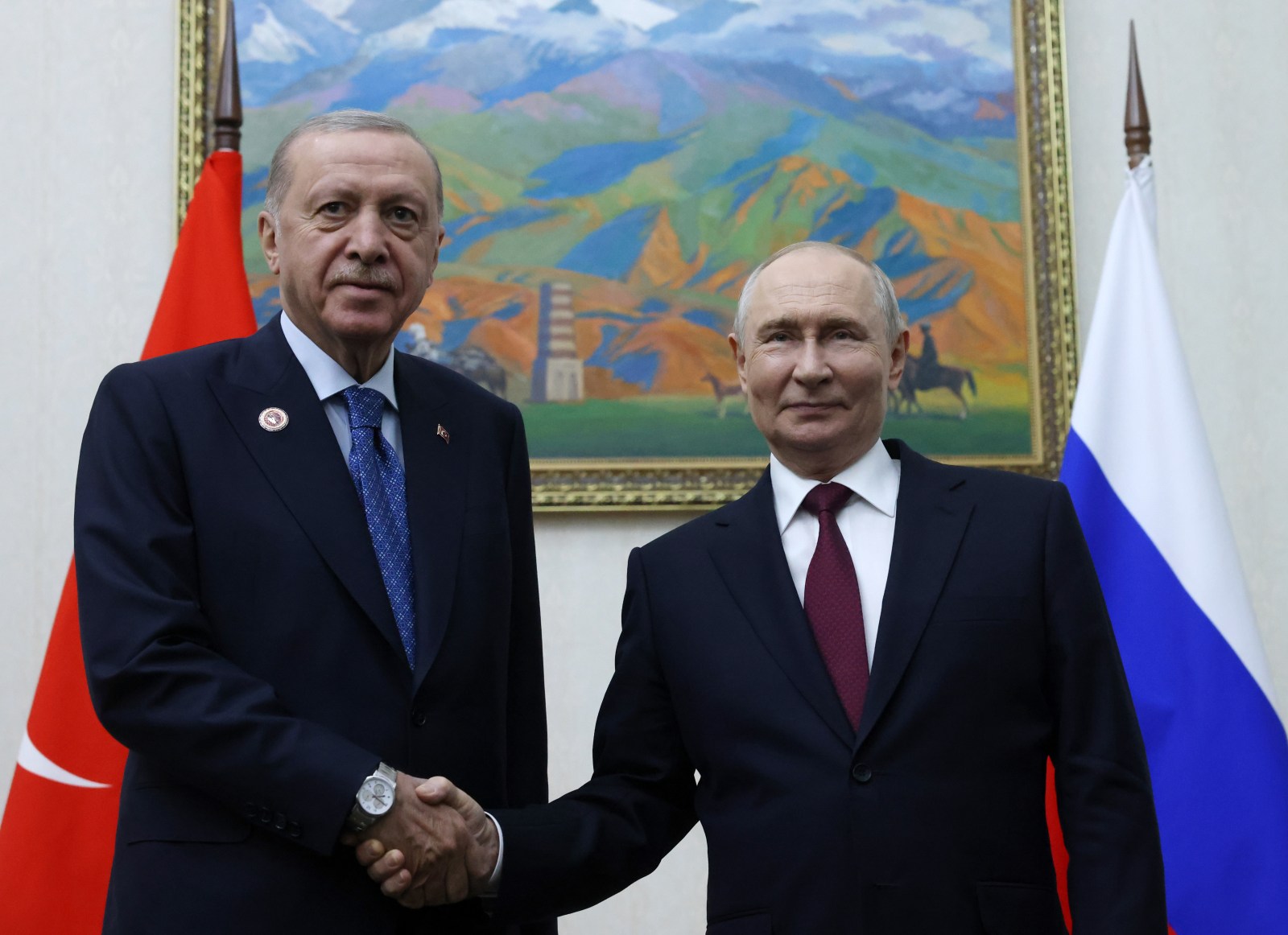
- Turkey, a NATO member, announced plans for multiple nuclear power plants constructed by Russia.
- Russia provided Iran with a draft agreement for building small nuclear reactors.
- Russia’s state nuclear corporation Rosatom made an agreement with Kazakhstan to bring back nuclear energy since its absence in 1999.
As the U.S. and Europe seek non-military strategies to isolate Russia, Moscow’s civilian nuclear advancements provide Russia with considerable leverage.
The Role of Rosatom
The Russian company Rosatom plays a central role in spreading Russia’s nuclear energy influence. Its projects ensure a long-term presence in foreign nations’ energy sectors:
- In Kazakhstan, Rosatom will design and construct the Balkhash Nuclear Power Plant, leaving control with a Kazakh company.
- Rosatom supports Egypt’s El Dabaa NPP with a loan that covers a significant portion of costs and will continue supplying nuclear fuel.
- Turkey’s Akkuyu NPP, another major project, contributes over 10 percent of Turkey’s electricity needs. Rosatom maintains ownership under a build-own-operate model.
Such agreements secure Russia’s sustained involvement in countries’ critical infrastructure.
Global Reach and Constraints
Rosatom is influential, working on 20 reactor units across seven foreign countries as of February. Its market presence is further amplified by its significant shares in uranium enrichment and nuclear fuel supply globally. However, certain challenges remain:
- Ukraine-related sanctions have hindered financial and technological aspects of reactor projects, delaying constructions like Turkey’s Akkuyu NPP.
- Germany’s technology export restrictions have caused project delays, affecting collaborations with countries such as Hungary.
Despite these sanctions, Rosatom’s global order book expanded last year, underlining its enduring appeal to foreign governments.
The Strategic Value of Civilian Nuclear Power
Rosatom’s global activities demonstrate the strategic benefits of non-military nuclear initiatives. Even amid geopolitical tensions, the necessity of nuclear power drives countries to maintain relationships with Russia:
- Governments invested in Rosatom’s technology face substantial costs if projects are abandoned.
- Energy demands compel nations to continue collaborations despite sanctions.
While traditional military nuclear weapons offer deterrence through fear, Russia’s civilian nuclear deals incentivize cooperation through necessity, securing Moscow’s influence long-term.
Conclusion
Rosatom provides a tangible reason for international entities to engage with Russia, presenting a form of influence that persists beyond temporary geopolitical challenges.