
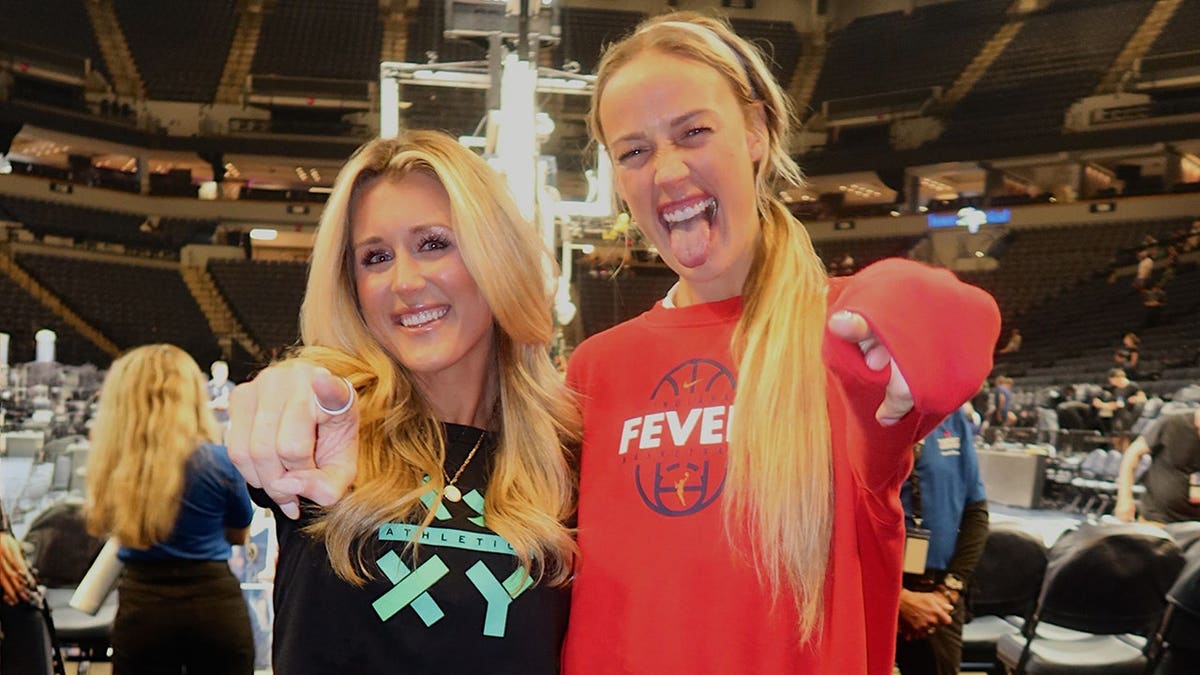
In this episode of The Riley Gaines Show, Riley examines contradictions emerging from the 2026 election results. While Democrats celebrated victories, ballot measures on biological sex and female athletics in states like Colorado, Washington, Arizona, and Nebraska sent a different message about the future of women’s sports.
Riley asserts that the results show a growing divide between voters’ economic concerns and their positions on cultural issues. Ignoring this divide could be a mistake for both political parties. Despite electing Democrats, voters seemingly rejected aspects of the progressive social agenda.
In states like Arizona, Colorado, Nebraska, and Washington, voters passed measures protecting female athletic competition based on biological sex. This happened even in typically Democratic-leaning states like Colorado and Washington.
Democrats have argued that protecting women’s sports is extreme, but the election results suggest voters disagree. There is frustration among people, especially since acknowledging biological differences is often labeled as transphobic. Women who object to sharing locker rooms with male athletes face criticism.
Riley discusses the impact of speaking against progressive orthodoxy, highlighting how female athletes faced loss of opportunities, ridicule, and pressure to stay silent. Yet, measures to protect women’s sports prevailed in 2024.
The case of Colorado shows significant backing from progressive organizations, which outspent opponents nearly 20 to 1. Yet, voters favored the measures. Women’s sports protections are not solely a Republican issue; it transcends party lines.
“The cultural shift is evident beyond the ballot box. WNBA player Sophie Cunningham’s support for women’s sports sparked a positive response.”
Cunningham’s public profile grew, showing that support for common-sense views isn’t necessarily damaging to a career. This challenges the belief that stepping outside progressive norms harms reputations.
Democrats must also recognize the economic messages from voters. People are frustrated with rising costs. Young people face an economy they believe is stacked against them. Economic concerns resonate deeply, and socialism’s promises appeal to those struggling financially.
Dismissing voters’ affordability concerns would be a mistake. While voting for Democrats, many hope for solutions to economic issues. Democrats’ victories shouldn’t be seen as a mandate for expanding progressive agendas.
Republicans must also recognize that economic well-being is critical to voters. Winning the cultural argument does not automatically win elections if financial concerns are overlooked. Tuesday’s election demonstrated the coexistence of cultural support and economic dissatisfaction.
Voters’ willingness to express concerns publicly has grown. Although Democrats won key elections, cultural beliefs remain strong among voters. Convictions about women’s sports and fairness won’t fade due to political victories.
The election results reemphasize that while Democrats won the election, they haven’t won the cultural debate. These convictions about women’s sports remain steadfast.