
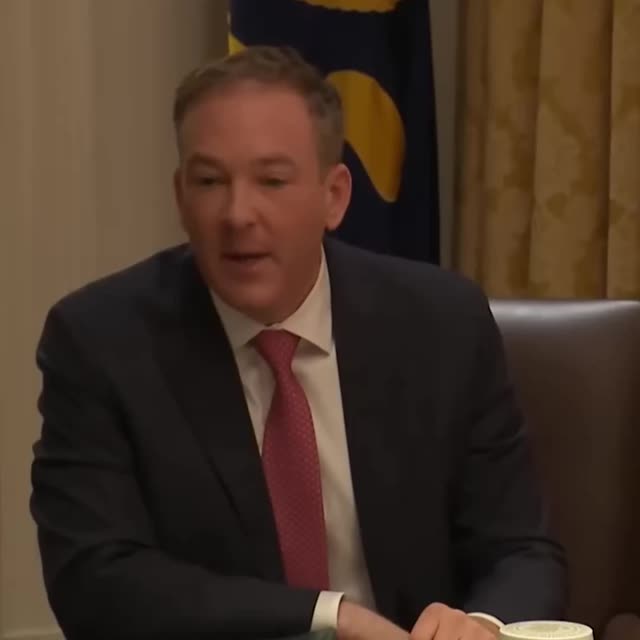
The cabinet’s traditional role of advising the president on various matters seems to have shifted during President Trump’s second term. The emphasis appears to be on offering flattery to President Trump. Cabinet meetings, often lasting between one to three hours, frequently showcase this. These meetings, sometimes televised, provide a platform for officials to credit Trump for departmental achievements while also seeking some spotlight for themselves.
The New York Times analyzed over a dozen hours of footage from these cabinet gatherings. On average, officials expressed flattery, credited Trump, or criticized political opponents in one out of every six sentences. Allison Schuster, a White House spokeswoman, stated that these meetings highlight the accomplishments achieved on behalf of the American people.
Some cabinet members, like Secretary of State Marco Rubio and C.I.A. Director John Ratcliffe, filled their speeches with praise for Trump. Others, like Vice President JD Vance, focused on criticizing Democrats. Many claims made during these meetings are exaggerated or inaccurate.
Patterns of Flattery and Praise
Mr. Rubio, one of the most vocal in these meetings, repeatedly praised Trump. He attributed various international peace efforts and economic achievements to Trump’s leadership. Similarly, Pete Hegseth claimed that conflicts in places like Afghanistan and Ukraine would not have occurred under Trump.
Statements from various officials credit Trump with reducing energy costs, motivating military enlistments, and achieving significant trade deals. Treasury Secretary Scott Bessent claimed Trump’s tariffs were instrumental in securing trillions of investments.
The Role of Loyalty
Throughout Trump’s second term, loyalty from cabinet members has been emphasized more than in his first term. This emphasis resulted in increased expressions of admiration and praise during meetings. Meanwhile, some officials, despite their loyalty, have faced firings or resignations.
The Impact on Political Dialogue
Cabinet members often criticized President Joe Biden and the Democratic Party, aligning with Trump’s approach of attributing blame to Biden. This rhetorical strategy reflects Trump’s influence on internal and political discourse.
Throughout these cabinet meetings, the extensive use of flattery toward President Trump stands out strongly. Officials frequently credit him for significant national and international achievements, despite the accuracy of these claims being debated.