
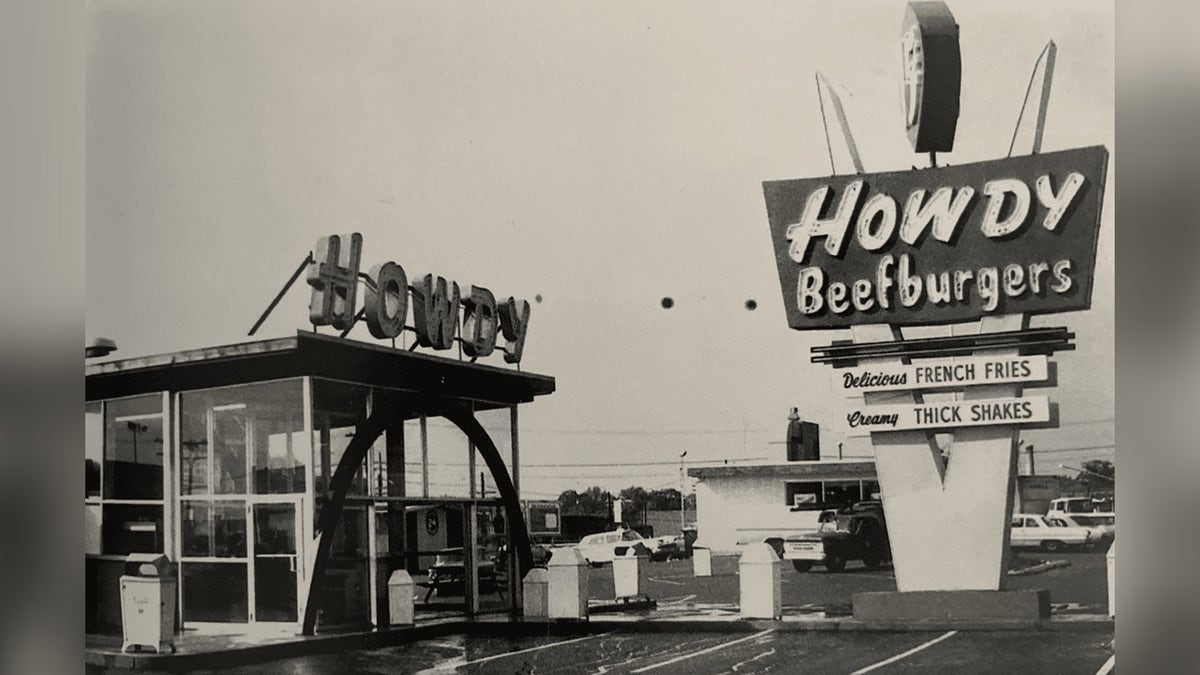
Before Dunkin’ Donuts became a staple in American homes, its founder, William Rosenberg, endeavored to establish a fast-food chain named Howdy Beef N’ Burger back in 1961 in New England.
Origins of Howdy Beef N’ Burger
Initially named Howdy Beefburger, the chain paid homage to the TV puppet Howdy Doody, a popular marionette featured on a children’s show that ran from 1947 to 1960. The series included skits and songs for a live audience of children, famously referred to as the “peanut gallery.”
Culinary Offerings
Howdy Beef N’ Burger went beyond just burgers and fries. The menu included the Big “B” burger, roast beef sandwiches, fried chicken, and shakes. In alignment with New England flavors, it also served clam strips, chowder, and lobster rolls.
Marketing Strategies
Promotions attracted families, emphasizing affordability. Aimed at family appeal, a Boston Globe advertisement highlighted its value, claiming customers could “feed the family on pocket change.” Incentives also included burger deals, prize giveaways, and collectible buttons for children.
Challenges and Demise
The chain faced stiff competition, particularly from McDonald’s. Additionally, Rosenberg’s company diversified, handling other food ventures like seafood, pancakes, and delis. Under Robert Rosenberg’s leadership in 1963, Dunkin’ Donuts received increased attention, overshadowing Howdy’s.
The decline continued, with some outlets being sold to other chains, such as Wendy’s in Quincy, Massachusetts, in 1979. By the 1980s, Howdy Beef N’ Burger was largely history, surviving mainly through advertisements and nostalgia.
Legacy and Inspirations
This concept wasn’t unique. Other restaurants have drawn inspiration from fictional characters as well. Bubba Gump Shrimp Co. references the movie “Forrest Gump,” and Central Perk Coffee Co. replicates the café from the TV series “Friends.” Tony Soprano’s takes its theme from “The Sopranos.”
While Howdy Beef N’ Burger might have vanished, it remains a part of New England’s fast-food legacy.