
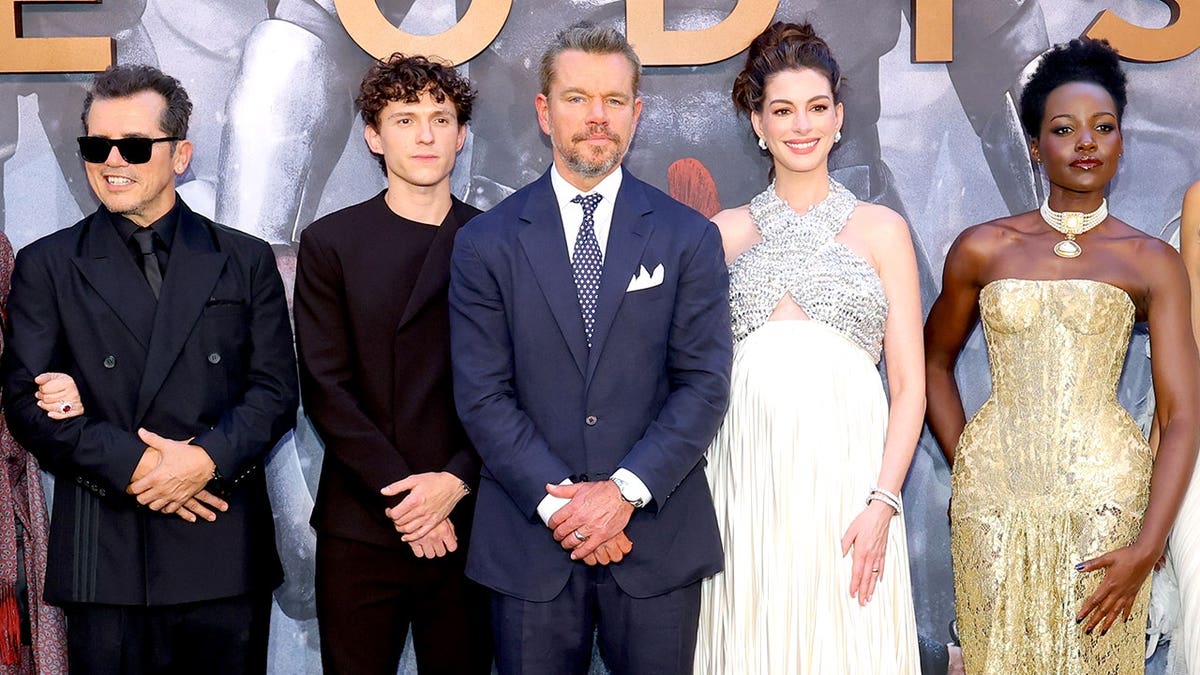
Christopher Nolan’s film “The Odyssey” is captivating audiences with its epic journey across the ancient world. The film’s scenes, shot in stunning locations worldwide, highlight Nolan’s preference for practical filmmaking and in-camera effects. As of four weekends, “The Odyssey” is the highest-grossing film in Nolan’s career, earning $1.1 billion globally, as reported by Deadline. It is also 2026’s top-grossing R-rated movie both in North America and globally.
The Movie’s Impact on Travel Interest
Viewers have shown heightened interest in visiting the film’s locations. Recent data from Nibble, a learning app, reveals a 3,421% surge in Google searches related to traveling to Troy following the movie’s mid-July release, as Travel + Leisure notes. Searches for “flights to Troy” also jumped by 966%. Even queries about the actual existence of the city of Troy have increased, indicating that many audiences are curious about visiting Homer’s legendary city.
Notable Filming Locations
“The Odyssey” showcases various places that film enthusiasts can now visit:
- Voidokilia Beach, Greece: This beach in Messenia, southwestern Peloponnese, features in the film as part of Greece’s stunning backdrop. Its unique shape and proximity to the town of Pylos make it a noteworthy site.
- Nestor’s Cave, Greece: Overlooks Voidokilia Beach and features scenes with the Cyclops, Polyphemus. Accessible by a hiking trail, the cave provides a challenging yet rewarding trek for visitors.
- Favignana, Sicily: The largest of the Egadi Islands, it stands in for Ithaca. Visitors can reach this island, known for its clear waters, via a short ferry trip from Trapani on Sicily’s western coast.
- Aït Benhaddou, Morocco: A historic fortified settlement doubling as Troy. This UNESCO World Heritage Site offers visitors a glimpse into history with structures dating from the 17th century. It is easily reachable from Ouarzazate and close to Marrakech.
- Findlater Castle, Scotland: Situated in Aberdeenshire, this site offers ruins from as far back as 1246. Overlooking the Moray Firth, the castle stands as a testament to Scotland’s historic narrative, now featured in a global cinematic context.
Increased Tourism Potential
The movie’s popularity is driving tourists to these real-world locations, merging cinematic wonder with tangible exploration. Nolan’s visual storytelling not only attracts audiences to theaters but encourages exploration of the historical and cultural sites featured in the film.