
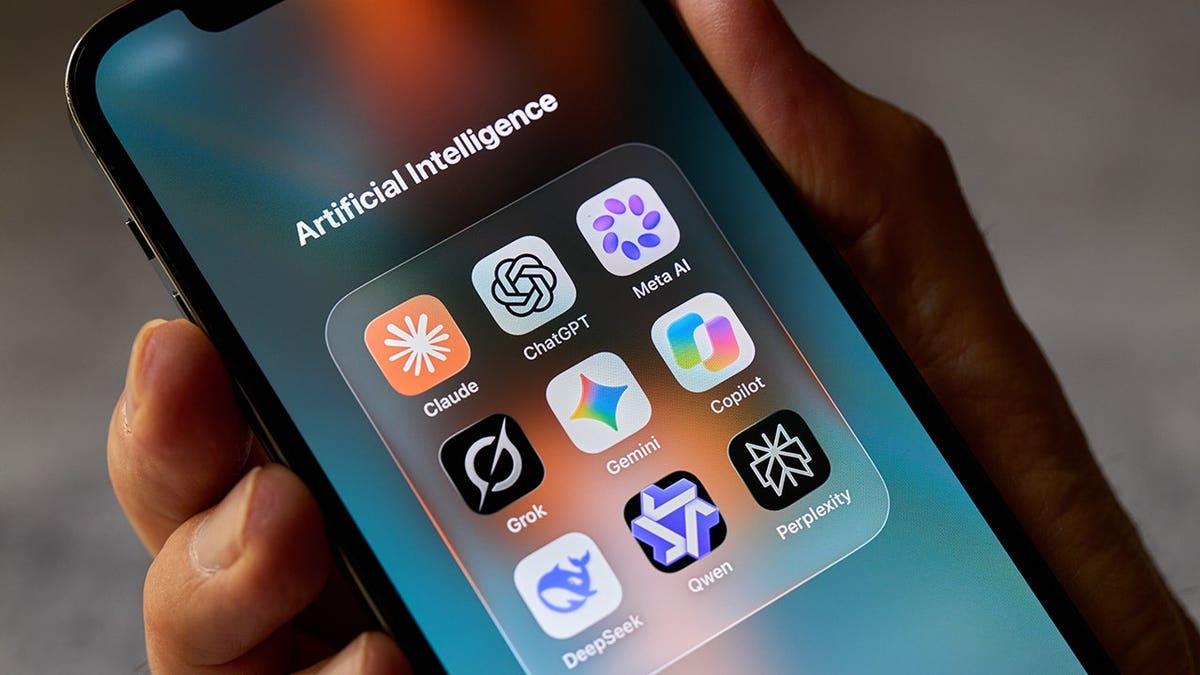
Many people have grown tired of repetitive tasks, such as checking airfare daily or managing overflowing inboxes. AI agents, unlike regular chatbots, hold the potential to handle these chores and more. While chatbots wait for your queries, AI agents can continue working after the initial interaction, keeping track of tasks you would otherwise need to remember yourself.
OpenAI, Meta, and Google are at the forefront of this technology. OpenAI offers ChatGPT Work and Dots, while Meta provides Muse, and Google has Gemini Spark. These agents are designed to automate everyday tasks, providing value by relieving users from mundane responsibilities.
Understanding AI Agents
ChatGPT Work is integrated within ChatGPT, targeting longer and multi-step tasks. It can research, use connected apps and files, and execute scheduled tasks. OpenAI also offers Dots, which are more persistent, possessing their own cloud computer to remember ongoing work and continue progress between conversations.
Meta Muse provides a free tier with usage limits and a paid subscription for expanded access. Google’s Gemini Spark serves Google AI Pro and Ultra subscribers by managing tasks and utilizing connected services.
To try these agents, familiarize yourself with one of these services, assign a simple, low-risk task, and assess if it effectively saves you time.
Getting Started with AI Agents
If you have never used an AI agent, the first step involves understanding your options. For instance, OpenAI’s ChatGPT Work is rolling out to eligible accounts. Before starting, it’s wise to review privacy settings to gain control over how your data is handled.
“Stop new ChatGPT conversations from being used to train OpenAI’s models by adjusting your data controls”
Once settings are configured, you can initiate tasks using ChatGPT Work. Describe the task in detail, attach any necessary files, and specify what the agent should do.
Practical Applications of AI Agents
- Daily Preparation: Use AI to review your calendar and messages, flag important events, and notice scheduling conflicts.
- Price Monitoring: Assign AI to track prices for flights or products, alerting you when they meet preferred conditions.
- Email Organization: An AI agent can sift through your inbox, summarizing and drafting responses for you to review.
- Deadline Reminders: AI can track subscription renewals and paperwork deadlines, alerting you when they approach.
- Meal Planning: Request a weekly dinner plan, complete with recipes and a grocery list.
- To-Do List Management: Use AI to compile household tasks and remind you when they are due.
- Response Tracking: Deploy AI to track unanswered requests, reminding you if deadlines pass without a reply.
- Availability Checks: AI can monitor openings for bookings, appointments, and products, notifying you when slots appear.
Security and Permissions
Granting AI access to personal data deserves careful consideration. Begin with simple permissions and only extend access when you are confident. Avoid sharing sensitive information like passwords directly with AI. Securely connect accounts within the service when necessary.
Do You Need An AI Agent?
Decide based on whether the task concludes with a simple answer or requires ongoing monitoring. AI agents excel with tasks that continue beyond the initial query, such as price watching or appointment tracking.
Conclusion
AI agents are appealing for handling tedious tasks but require scrutiny when deciding roles that involve personal security, finances, or legal matters. They are most valuable when entrusted with repetitive chores, allowing you to remain in control of actions that impact your life.