
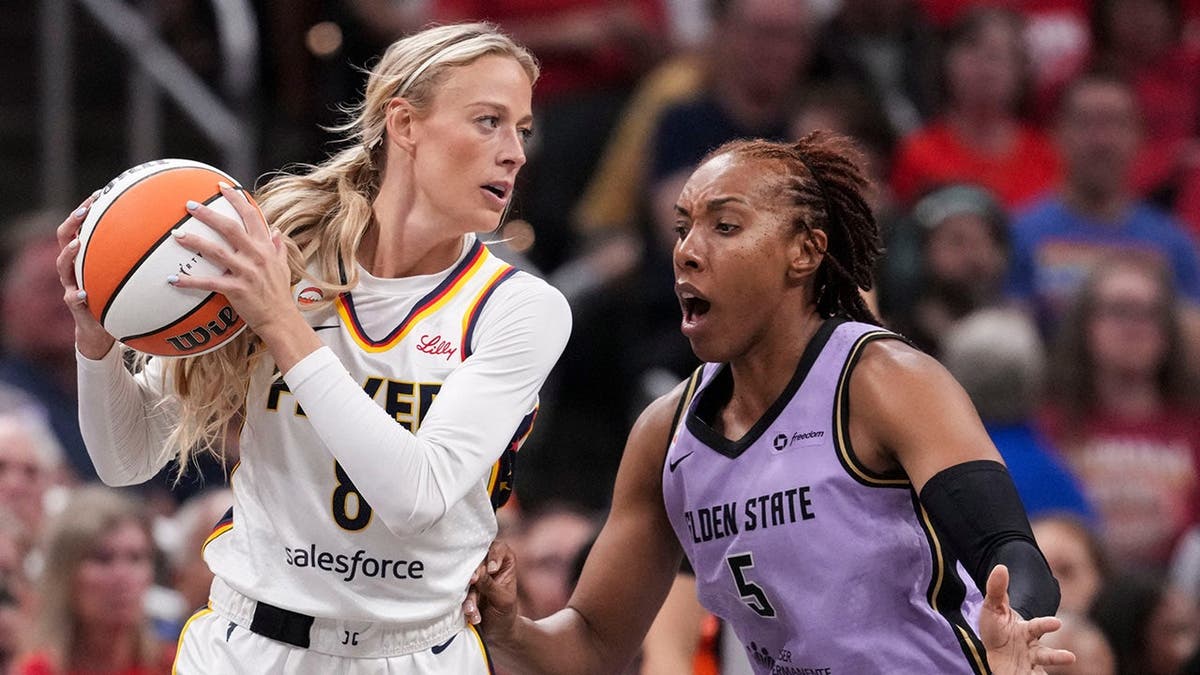
Recently, fans at a WNBA game faced harassment for supporting Sophie Cunningham. Her comments centered on protecting young girls in locker rooms and allowing only biological women in women’s sports. These remarks led to a strong reaction from various quarters, highlighting cultural tensions.
This incident is one among many involving high-profile figures and their stances on gender in sports. For instance, Caitlin Clark evaded questions on trans athletes, while Seattle Storm’s co-owner showcased actions reflecting broader cultural debates.
During a recent game, Sophie Cunningham faced scrutiny for her outspoken views. Despite not aligning with any political party, she emphasized the importance of safeguarding women’s spaces against biological men. Her stance drew attention from both critics and supporters.
Former athletes like Megan Rapinoe have called such concerns unnecessary. She described them as distractions from more pressing issues. However, many women disagree, arguing the risks they perceive are real. For example, an incident in 2022 saw a female athlete suffer a career-ending injury from a male athlete competing in a girls’ volleyball match. The focus on inclusivity overshadowed concerns for female athletes’ safety.
Fans have shown support for Cunningham’s courage. Despite the pressure faced by public figures to conform, she remained firm in her beliefs, unlike others who chose to apologize under activist pressure. This defiance provides a counter-narrative to the current trend of concessions in women’s sports.
The advocacy for women’s rights previously celebrated during the #MeToo movement appears to have shifted. Today, openly defending female-only sports spaces can lead to backlash, cancellations, or removal from public events. This change highlights tensions between inclusion and the traditional definitions of women’s spaces.
Payton McNabb, previously injured by a transgender opponent in high school volleyball, spotlighted the issue during a government hearing. Concerns arise when young girls, taught to voice their discomfort, face backlash for opposing current policies. The contradiction sends mixed messages about empowerment and inclusivity.
Athletes like Sophie Cunningham and Aryna Sabalenka continue to speak up. Doing so during their careers carries risks. Yet, their advocacy for unchanged policies in women’s sports sets a precedent for the coming generation. Title IX underscores the need for fair sports opportunities. Trans-identifying athletes must compete based on their biological sex.
Female-only sports provide opportunities for women like Sophie Cunningham and Megan Rapinoe to excel. Protecting these sports ensures equal chances for girls today and in the future, regardless of political views.
Payton McNabb is a sports ambassador focused on women’s rights in athletics. Her experience highlights the importance of safeguarding opportunities in women’s sports.